


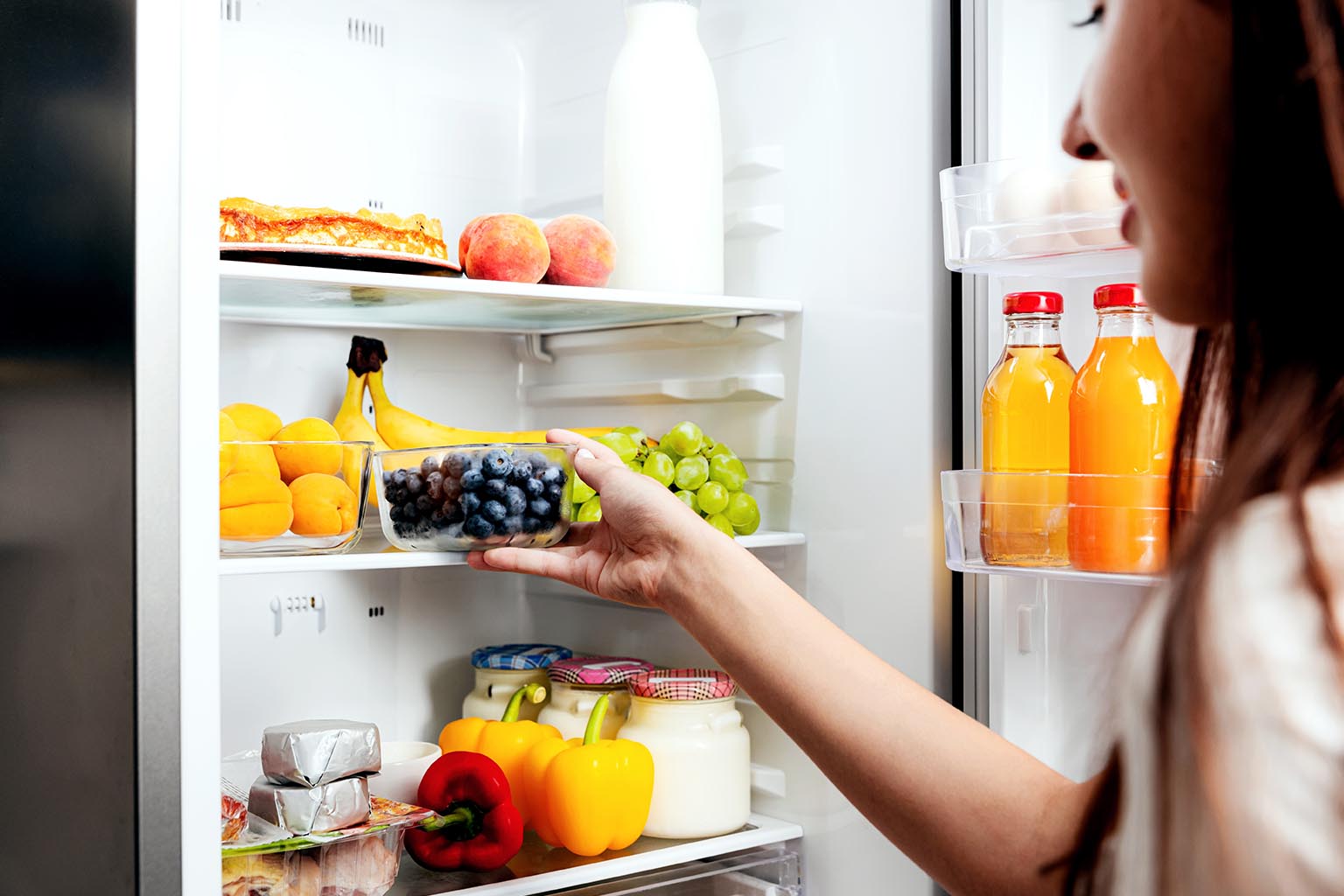
You probably opened your refrigerator this morning, gave something inside a tentative sniff, and found yourself caught in a game of culinary roulette: “Is this still good… or am I about to ruin my lunch?” We’ve all faced that moment with once-crisp salad leaves or strawberries that seemed luscious just two days ago and now appear doomed for the compost bin. Somewhere between the milk carton, leftover lasagna, and the forlorn half of a lemon wrapped in cling wrap, countless dollars quietly spoil away. Most of us actually believe our refrigerator is doing its job just fine. Cold is cold, right?
**Not quite**, and the reality might surprise you — really surprise you. There’s a precise refrigerator temperature that keeps food fresher for notably longer — up to five extra days, and honestly, it’s a game-changer. Yet, most fridges in the UK are set well above this magic number. This isn’t just some technical tidbit for food safety geeks; it’s the difference between offloading half your groceries on a Sunday evening and actually consuming what you invested in. And this crucial little number isn’t quite what most of us assume it to be.
The accidental discovery that my fridge was tricking me
One Thursday, a suspicious prawn sandwich delivered my wake-up call. Purchased on Monday, it should have been fine until Friday, at least according to its expiration date. On the outside, it looked alright, and the bread was still soft. But when I opened the packet, a faint sour smell made me hesitate. Annoyed and disappointed, I tossed it in the trash and glanced at my refrigerator’s dial that was supposedly maintaining a perfectly cool setting.
That night, curiosity got the better of me, and I delved into a labyrinth of food safety charts and nerdy fridge forums. Yes, they exist, and their findings were mildly irritating. The popular “middle setting” many of us default to is based on nothing precise. It’s a vague manufacturer’s compromise, and often it leaves your appliance two or three degrees warmer than it ought to be. While that might not sound concerning on paper, the difference is stark when it comes to your food.
The cold truth: 3–4°C is the sweet spot
Buried deep in UK food safety guidance, there’s a surprising clarity: the safest, most effective refrigerator temperature for slowing bacterial growth and keeping foods fresh sits around **3–4°C**. Not 7°C. Not merely “cold enough.” Somewhere neatly nestled between three and four degrees is the sweet spot. It’s cold enough to dramatically slow spoilage without freezing everything into rock-solid lumps.
Research — we’re talking studies from reputable food labs with practical, data-backed insights — points out that lowering your fridge’s temperature from roughly 7°C to this ideal range adds several usable days to high-risk foods. Cooked meats and leftovers aren’t just edible, they thrive for three to five more days. Fresh berries aren’t simply delaying decay; they noticeably stay plump and vibrant. Even that neglected bag of salad could safely extend its life, so your sense of food guilt might get a little reprieve.
The significance of a few degrees: why it matters
Think of bacteria as little marathon runners who thrive in warmth. At warmer “fridge” temperatures — let’s say around 6°C or 7°C — they move quickly, quietly consuming your edibles. Plunge them into 3–4°C, and they slow to a crawl. They don’t disappear, but their multiplication curve elongates from hours to days.
That extension is the five-day window that makes a tangible difference. Leftover roast chicken that would typically start sliding towards spoilage after three days remains fresh into day six or seven. Soups and stews can linger safely throughout the week, rather than just half of it. It’s not magic; it’s science. Lower temperature equals slower bacterial growth, equating to longer freshness and reduced waste.
And no, your fridge dial displaying “3” or “cold” doesn’t guarantee actual efficacy. Frankly, how many adjust their fridge settings with anything more than a vague expectation that it might squeeze extra mileage out of the milk? To truly know you’re near that golden 4°C, you must look past the plastic gauge and measure where your food actually resides.
Your fridge’s real temperature may surprise you
Here’s an interesting disconnect in our modern kitchens. With smart speakers that announce tomorrow’s weather in New Zealand, our food-preserving appliances still rely on a shaky dial as archaic as a rotary phone. Most British refrigerators default to “medium,” seemingly aiming for 4°C ideally, but actual performance varies depending on the model, how frequently the door swings open, how densely it’s packed, and exactly where items are shelved.
Consider investing a modest sum in a digital fridge thermometer — you can find decent options for a couple of bucks online or in your local supermarket. Place it in the middle shelf for a few hours, and that’s your **real temperature, not just the number promised on some glossy control panel**. Many do this, only to find themselves unsettled by readings drifting around 6–8°C. Great for keeping your beer comfortably cool, much less ideal for safeguarding that raw chicken.
How does this impact actual fridge life?
A cool fridge at 3–4°C gradually becomes noticeable without needing a graph to illustrate it. Next time you pop open that container, and it still carries the fresh aroma of food, not disappointment wrapped in cling film, you’ll understand what I mean. Imagine your batch-cooked meals like bolognese or curry staying fresh beyond three days, really, they comfortably stretch to day five or six in this optimal range. This means finally consuming rather than chucking your efforts at the week’s close when Sunday night dinner becomes a stage for fridge transformation.
Now, fruits and vegetables, often termed “emotional,” have compelling narratives. Strawberries, raspberries, those delicate berries transitioning from gems to furry experiments overnight — they thrive dramatically near 3°C. Experts show that close to **3°C**, they exhibit slowed mold growth and retain their tender texture.
And here’s the simple, almost mundane, tweak that could save both your **food and money**: buy a digital thermometer, discover your *real* fridge temperature, and adjust your fridge dial until it reads between 3°C and 4°C. Gently adjust and check after 12–24 hours — you’re aiming for steadiness, not sporadic lows. Once you reach that desired range, you’ve essentially nudged your kitchen timeline forward by several days.
Invest in the cold, and it will faithfully serve your groceries, cutting waste and expenses. It’s not a hack; it’s saving foresight. Surely, your next peek inside the fridge will come with a smile, knowing it’s faithfully extending life’s delicious bits. Remember, a little knowledge (and the right tools) goes a long way. Keep experimenting, and **don’t forget to pass on these cold facts to friends**.