


The modern bathroom has become a laboratory for spatial innovation, where necessity drives creativity beyond conventional design wisdom. As urban living spaces shrink and rental prices climb, households are discovering that the most effective storage solutions often come from unexpected places. What emerges is a quiet revolution in domestic organization, led not by interior designers but by ordinary people making extraordinary use of ordinary objects.
This transformation reflects a deeper shift in how we approach home functionality. Traditional storage methods—built-in cabinets, permanent shelving, decorative baskets—assume stability and space that many renters simply don’t possess. The response has been both pragmatic and ingenious: repurposing items designed for entirely different functions to solve immediate spatial problems. Just as homeowners are discovering innovative approaches like achieving a fresh, bright holiday look for their curtains through simple solutions, bathroom organization is experiencing its own creative renaissance.
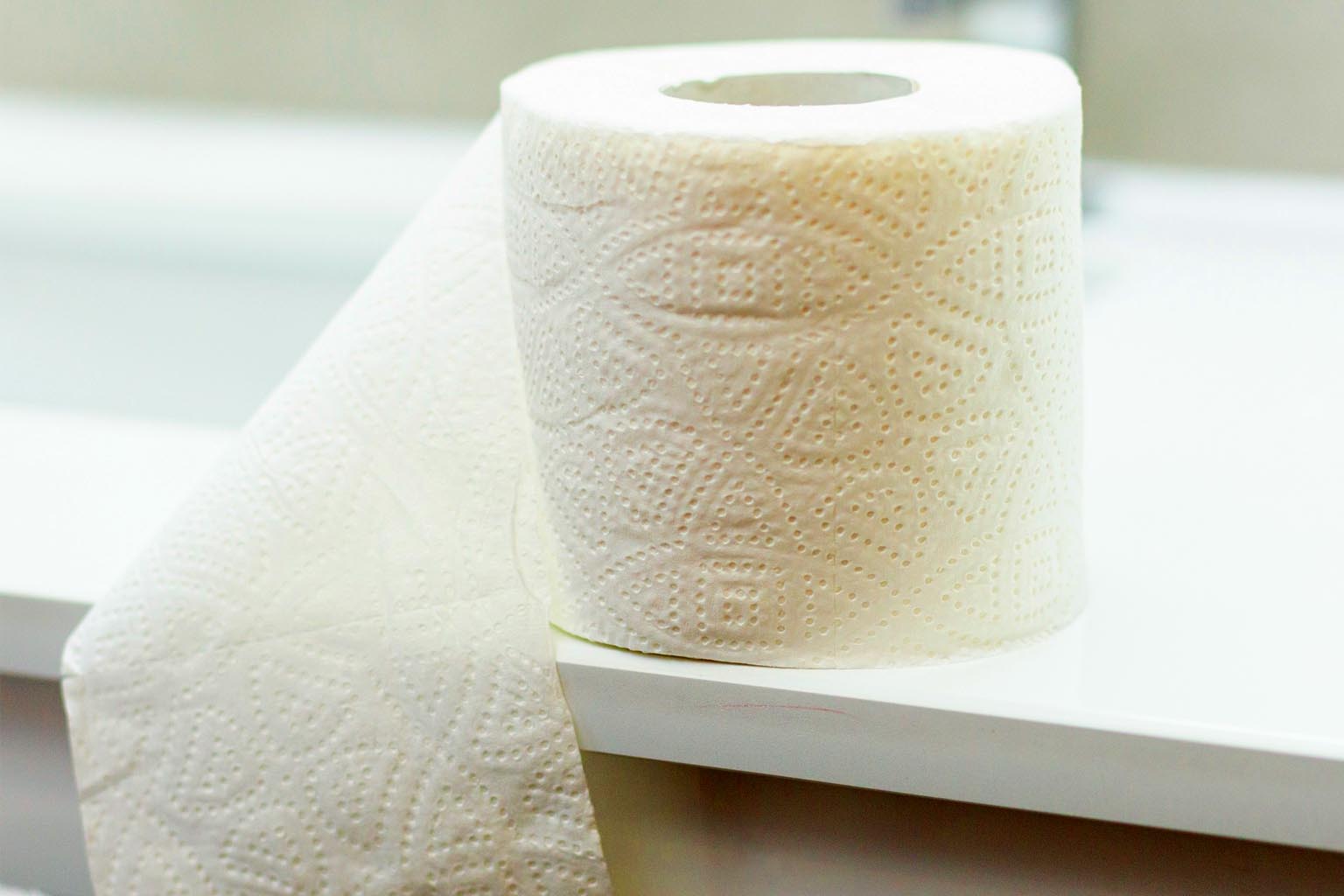
The over-the-door shoe organizer represents perhaps the most compelling example of this trend. Originally conceived to manage footwear in closets, these fabric systems are now appearing behind bathroom doors across the country, filled not with sneakers and boots, but with rolls of toilet paper, cleaning supplies, and personal care items.
The Economics of Vertical Space
The appeal of shoe organizers in bathrooms stems from their ability to exploit unused vertical territory without requiring tools, screws, or landlord permission. These systems typically cost between fifteen and thirty dollars, making them accessible to households operating on tight budgets. Their hook-and-hang design transforms the back of any door into functional storage space within minutes.
This approach addresses a fundamental challenge in small-space living: maximizing utility without sacrificing flexibility. Research published in urban planning studies shows that bathroom storage ranks among the top frustrations for apartment dwellers, particularly in older buildings where cabinet space remains limited or poorly designed.
“Urban living space constraints have fundamentally altered how residents approach household organization, with vertical storage solutions becoming essential for maintaining quality of life in reduced square footage” – Urban planning research
The modular nature of these organizers allows users to customize storage based on changing needs. Individual pockets can accommodate various sized items, from standard toilet paper rolls to cleaning bottles and personal toiletries. This adaptability proves especially valuable in shared living situations where bathroom access and storage needs fluctuate frequently.
@maverickmkg Email us for link to rack from #amazon #organizationhacks #organizationideas #letusorganizeit #organizationtips #storagehacks #shoerack ♬ BORN FOR THIS – Foxxi
Functionality Meets Modern Living Patterns
The rise of this storage hack coincides with broader demographic shifts in American housing. Research indicates that renter households now represent the highest percentage of the housing market in decades, with younger adults and single-person households driving much of this growth. These groups face unique constraints: limited ability to modify their living spaces permanently, frequent relocations, and often tight budgets.
For these households, traditional storage solutions present significant drawbacks. Built-in options require landlord approval and professional installation. Freestanding furniture consumes precious floor space and may not survive multiple moves. Portable storage systems like repurposed shoe organizers offer a middle path that preserves both flexibility and function, similar to how multifunctional mobile stations are revolutionizing kitchen design for compact living spaces.
The phenomenon also reflects changing consumer behavior around home organization. Digital platforms have accelerated the sharing of domestic innovations, allowing practical solutions to spread rapidly across diverse housing situations. What might have once remained a local insight now becomes global knowledge within days.
The Hidden Limitations Nobody Discusses
Despite widespread enthusiasm for this storage solution, practical challenges emerge that rarely surface in viral social media demonstrations. Humidity exposure represents perhaps the most significant concern, as bathroom moisture can affect stored items over time. Unlike enclosed cabinets, open-pocket organizers leave contents vulnerable to steam, splashes, and general bathroom humidity. This moisture concern is particularly relevant given that mold stubbornly lurks behind furniture in humid environments, making proper ventilation and moisture control crucial for any bathroom storage solution.
Door clearance issues present another overlooked complication. Many bathroom doors, particularly in older apartments, don’t provide adequate space for fully loaded organizers. Users frequently discover that heavily loaded pockets create friction when opening or closing doors, or that the organizer itself prevents doors from closing completely.
The weight distribution factor also poses challenges that become apparent only with extended use. Most shoe organizers are designed for lightweight footwear, not the dense, cylindrical weight of multiple toilet paper rolls. Over time, this can cause stretching, tearing, or sagging that compromises both function and appearance. Some users report that the constant loading and unloading of heavy items leads to premature wear of pocket seams and hanging mechanisms.
Broader Implications for Domestic Design
The popularity of repurposed shoe organizers signals a fundamental shift in how Americans approach home organization. Rather than purchasing purpose-built storage solutions, households increasingly seek multipurpose items that can adapt to changing circumstances. This trend reflects both economic pragmatism and the reality of transient living situations.
Professional organizers note that this DIY approach often produces more sustainable storage habits than expensive, specialized systems. When people invest creativity rather than significant money in organization solutions, they tend to maintain and adapt those systems more consistently over time. Studies on spatially adaptive housing models demonstrate how flexible design elements can better serve the evolving needs of urban dwellers.
The phenomenon also highlights gaps in traditional home design. Architects and developers, focused on maximizing rentable square footage, often underestimate the storage needs of actual occupants. The creative response from renters and small-space dwellers provides valuable insight into how domestic spaces could be designed more thoughtfully from the outset. Just as people are discovering that simple solutions like vinegar for windshield cleaning can be surprisingly effective, these grassroots storage innovations reveal the power of practical creativity over expensive specialized products.
“The evolution of urban house types has often disregarded the fundamental need for adaptable storage solutions that can serve multiple functions within constrained living spaces” – Architectural research on high-density housing
As housing patterns continue evolving toward smaller, more flexible living arrangements, the lessons embedded in this simple storage hack may prove more significant than they initially appear. The question isn’t whether shoe organizers belong in bathrooms, but whether our approach to domestic space has fundamentally changed in ways that traditional design hasn’t yet recognized.