


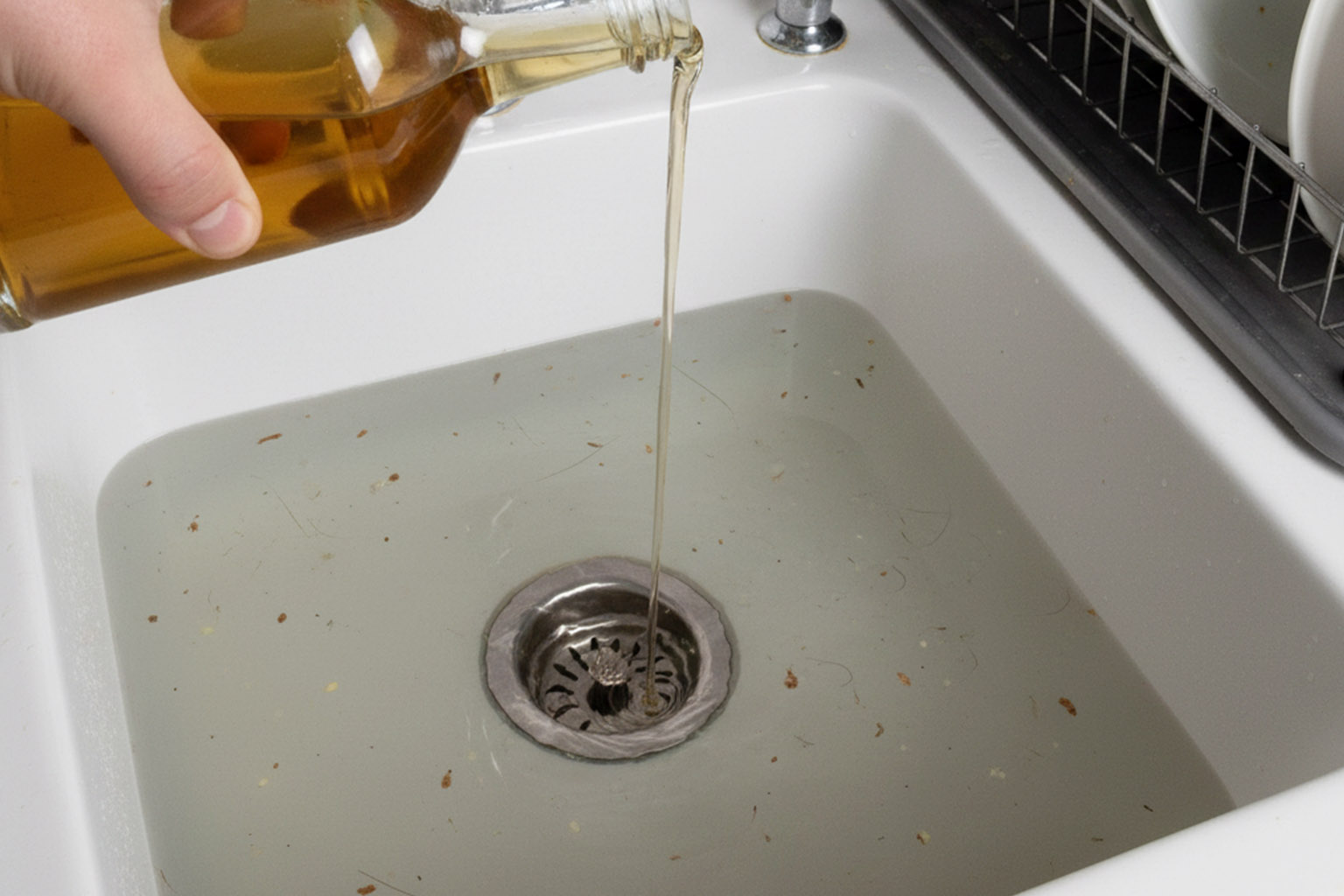
Life has this knack for throwing tiny disruptions into our day—like, say, a clogged drain. Now, you might be thinking vinegar and baking soda are the go-to fix. But here’s the kicker: there’s an even simpler and more cost-effective method waiting right there in your kitchen. Two ingredients, a mere half-glass each, and a pinch of patience are all you need to clear up that mess, without the stink or damage of chemical cleaners. It’s surprising—really surprising—how so few ingredients can unravel such a stubborn problem. Let’s see how.
Why Drains Get Blocked
First off, let’s address the elephant in the room. Why do drains clog? Well, it’s a slow, insidious process—think of it like a snowball effect, but not in a good way. Whether it’s leftover food, grease, and coffee grounds accumulating in your kitchen sink, or hair and toothpaste piling up in the bathroom, it’s a recipe for disaster. Hard water minerals and detergent residues add to the chaos. You’d think this would happen overnight, but it’s more of a slow burn. At first, water just hangs back, then it starts gurgling ominously, and if ignored, voilà—an unpleasant smell heralds a full-blown block. Reacting quickly can save you from the hassle of taking apart your drain pipes.
The Kitchen Ingredients to the Rescue
Forget about vinegar and baking soda; let’s talk about a more straightforward, effective household hack. Enter the humble duo: salt and hot water, with an optional dash of citric acid for those pesky clogs. The combination not only clears blockages but also lends a gentler hand to your pipes. Mind you, we’re talking about ingredients you likely already have on your spice rack.
The process is simple. Take half a cup of regular table salt, mix in a liter of boiling water—add 1 to 2 teaspoons of citric acid if you’re feeling fancy—and pour it directly into the drain. Wait for about 10 to 15 minutes, then chase it with another helping of hot water. The heat melts away grease, while the salt scrubs away residues.
What Makes This Method Shine
Why does this work so well? Unlike chemicals that can be harsh to modern plumbing, especially plastic pipes, this solution works like a charm without risking damage. Chemicals might clear the clog, but they often leave your pipes worse for wear. Salt acts like a gentle scrub, citric acid dissolves mineral buildup and cancels out odors, while the hot water finishes the job by melting grease and swooshing away debris.
A quote from the Environmental Protection Agency supports that reducing chemical use also helps maintain long-lasting plumbing systems. It’s safe and, honestly, a sigh of relief for eco-conscious folks who want to keep their homes green and clean.
What If It Doesn’t Work?
Of course, sometimes even the best-laid plans go astray. If your pipes are still stubbornly clogged after the hot water and salt treatment, you might have a more significant issue at play. Symptoms like persistent gurgling or standing water usually mean it’s time to try a more robust tactic. Think plumbing snake or even a call to the professionals. It’s unfortunate, but some blockages—like a wad of cotton swabs or a matted clump of hair—are just beyond DIY methods.
Preventive Measures to Keep Drains Flowing
Prevention beats cure any day, wouldn’t you agree? To that end, a few proactive steps can save you from future clogs. Once a week, pour boiling water down your drains as a preventive cleanser. Install a simple strainer to catch larger debris like food scraps and hair. And yes, every 10 to 14 days, repeat your salt and hot water ritual to keep things running smoothly. Consistency is key here, and believe me, it’ll save you stress, money, and perhaps a bit of dignity.
Feel empowered? We hope so. Remember: small, consistent efforts bring big, long-term effects. Why not try these practical methods today? Let us know your tips or success stories—and keep those drains running clean!