


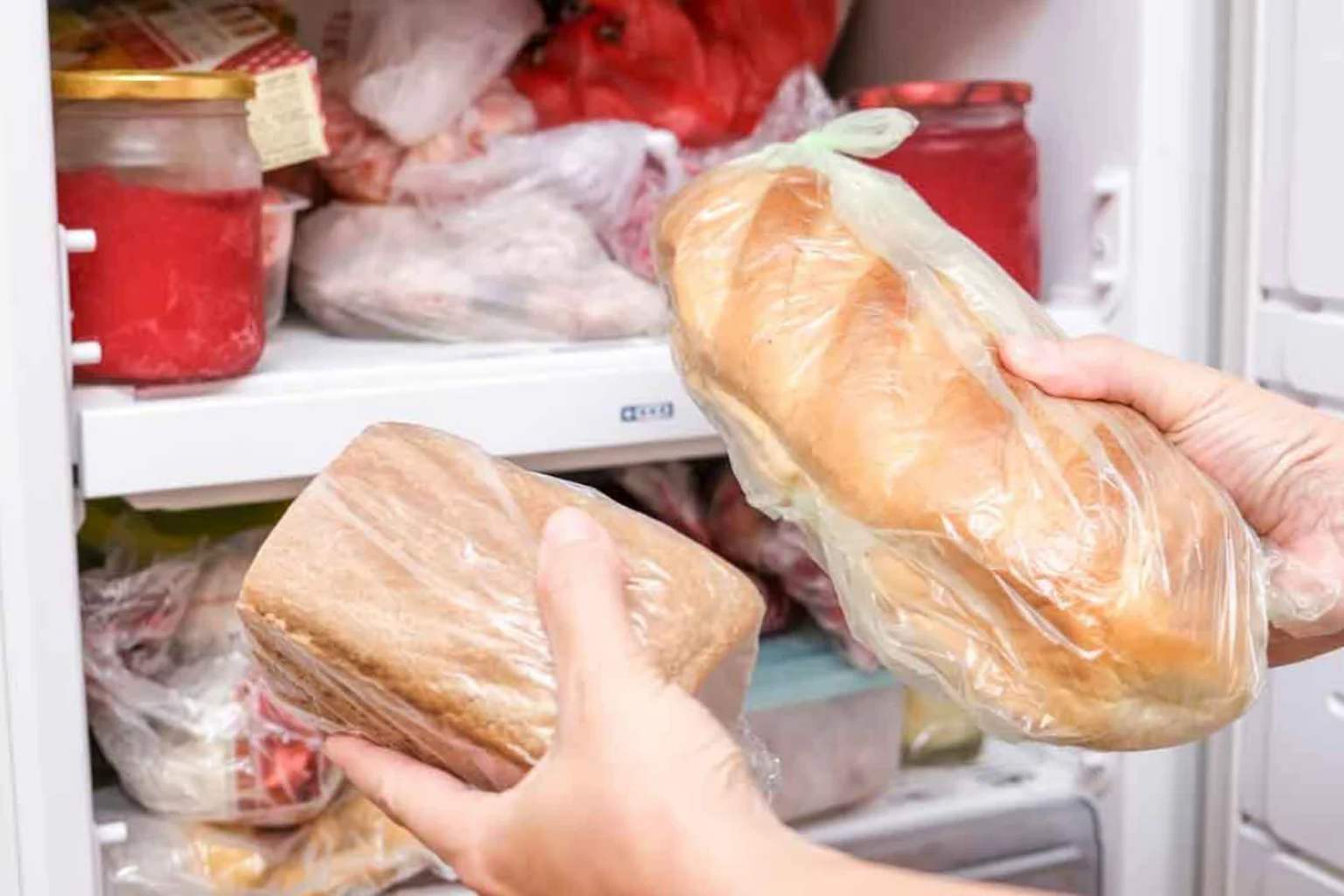
Bread is a daily staple for many, yet keeping it fresh and soft for more than a day can often feel like a losing battle. Plastic wrap and bags, while convenient, frequently accelerate staleness or mold growth. What if there was a smart, natural way to preserve your bread’s texture and flavor for days without relying on plastic at all? Let’s explore simple, eco-friendly methods that transform your daily loaf into a lasting delight.
Why traditional bread wrapping often fails
When bread spoils quickly, the culprit is usually the environment it’s stored in. Plastic wrap and bags trap moisture, creating the perfect conditions for mold spores to flourish. Instead of staying fresh, your bread turns soggy on the outside and slimy inside. On the other hand, leaving bread exposed to air causes it to dry out, making it tough and stale in no time.
The key is maintaining the ideal balance between moisture and airflow. Too much moisture leads to mold, while too little dries out the crumb. This subtle balance is where most common wrapping methods fail.
Natural, plastic-free alternatives to keep bread fresh
Nature has long provided solutions for wrapping bread without plastic. Cotton cloths and paper bakery bags are excellent choices because they allow enough air circulation to keep crusts crisp while preventing the interior from drying out. Many artisan bakeries favor paper bags for this very reason.
By saving your bakery’s paper bags or investing in reusable cloth bread bags, you introduce a sustainable and breathable wrapping method that enhances freshness and environmental friendliness.
According to a Natural Resources Defense Council (NRDC) report from 2023, switching to sustainable wrapping materials can cut household plastic waste by up to 30%. This supports the idea that these simple swaps benefit both your bread and the planet.
Optimal storage locations for bread freshness
Where you store your bread has a major impact on how long it stays fresh. Setting bread near sunny windows, heat sources, or drafty spots exposes it to temperature swings that cause condensation or drying. Both conditions encourage stale or moldy bread faster than you want.
Using a bread box made from wood or ceramic is a proven solution. Such boxes protect against drafts and airborne contaminants without trapping excess moisture. This creates a cozy yet breathable environment that preserves softness and taste for days.
Freezing bread to extend life without losing quality
If you know you won’t consume your loaf quickly, freezing is a lifesaver. Slice your bread first and wrap each slice individually with wax paper or aluminum foil. Then store them in airtight freezer bags or containers. This strategy prevents freezer burn and locks in freshness.
When it’s time to enjoy frozen slices, simply toast or warm them in the oven. Freezing halts mold growth and retains flavor, making bread enjoyable for weeks. Experts at the U.S. Department of Agriculture confirm that freezing is one of the best methods to preserve bread’s quality and safety.
How different breads react to storage methods
Not all breads behave the same when stored. Artisan varieties like sourdough and whole-grain loaves—often free from preservatives—naturally last longer. For instance, the acidity in sourdough inhibits mold, enabling it to stay fresh up to a week when wrapped in breathable materials.
On the other hand, processed white breads tend to dry out faster and mold more quickly due to additives and softer texture. Recognizing the type of bread you have helps tailor your storage method for maximum freshness.
Simple kitchen tricks to revive stale bread
Stale bread shouldn’t mean waste. Bringing it back to life is surprisingly easy with a few tricks. Wrap your loaf in a damp kitchen towel and warm it gently in the oven—the steam moisturizes the crumb, restoring softness. Another tip is to sprinkle water lightly on the crust before baking at low heat; this rejuvenates the crisp outer texture, perfect for sandwiches or toast.
Turning bread preservation into a sustainable habit
Each small change in how you wrap and store your bread adds up. Using natural wraps, storing bread correctly, and freezing leftovers reduces food waste and shrinks your environmental impact. Plus, these methods fit seamlessly into daily life—no expensive gadgets necessary.
Chef and food sustainability advocate Maria Thompson explains, “Modest shifts in bread storage can lead to significant reductions in household food waste, supporting a more sustainable future and improving the quality of our meals.”
What bread storage or preservation technique has worked best for you? Have you experimented with plastic-free wraps or freezing hacks? Share your experiences and tips in the comments below. Let’s inspire each other to keep our bread fresh and delicious longer while making every loaf count against bread waste.