


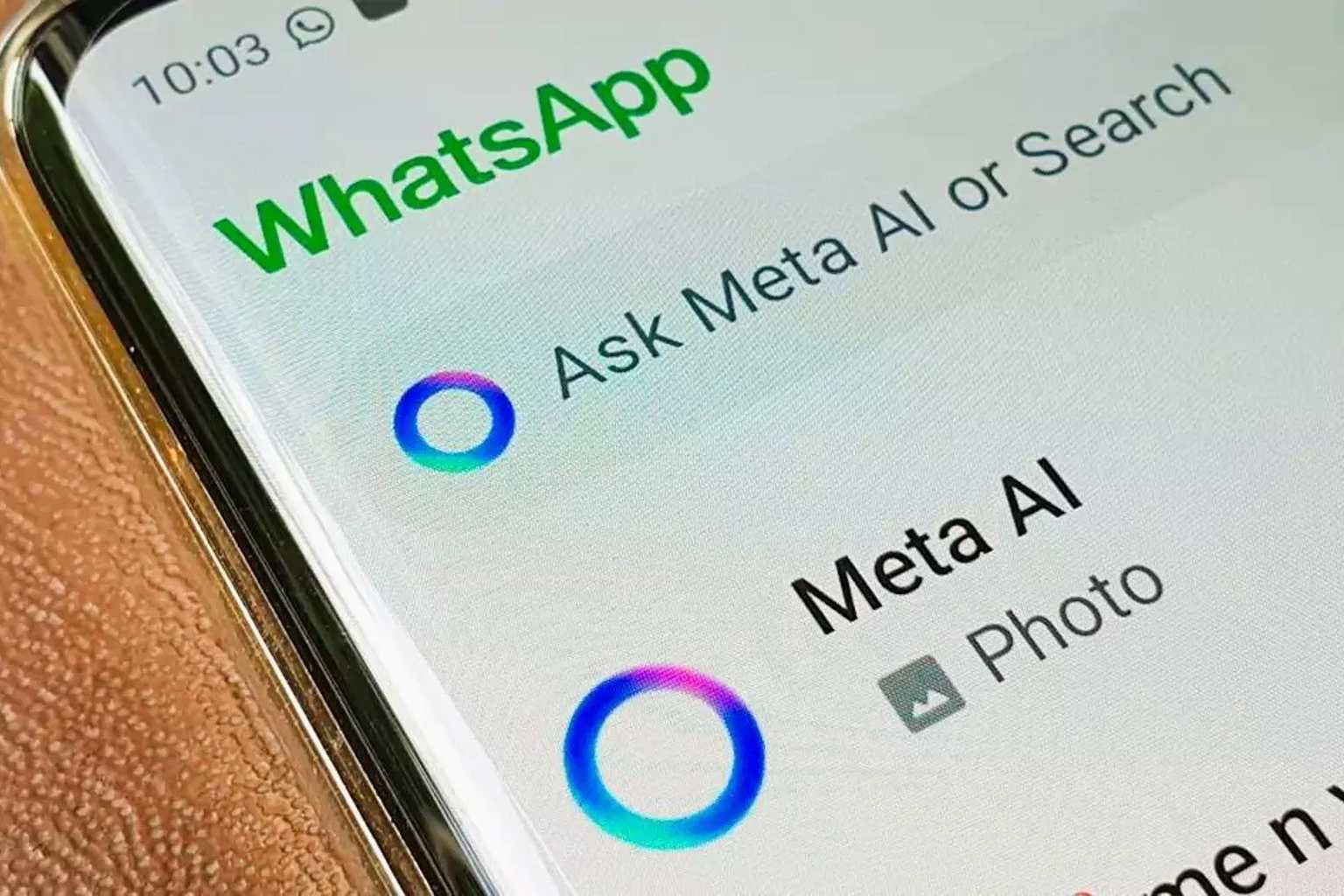
WhatsApp has quietly introduced artificial intelligence into one of the world’s most popular messaging platforms, stirring a wave of debate and concern among its billions of users. While AI promises to enhance communication and provide instant assistance, thousands are scrambling to disable this new feature to protect their privacy and avoid unreliable responses. This sudden change has left many wondering: is this the right direction for WhatsApp?
Meta AI integrates into WhatsApp – and users react
Meta’s AI chatbot, now embedded within WhatsApp, offers users a virtual assistant of sorts, ready to answer questions and perform simple tasks right inside chats. For many, having such an AI assistant means quicker replies, smoother interactions, and improved user experience. But this innovation hasn’t won over everyone.
Some users express frustration with the AI’s occasional errors and the possibility of sensitive information being processed by an algorithm. There is a clear divide between those who embrace artificial intelligence in messaging and those who prefer WhatsApp to remain a straightforward communication tool, free of automated assistants.
Why many want to disable WhatsApp’s AI feature
The backlash against Meta AI on WhatsApp centers on two primary concerns: privacy and accuracy. Many users worry that having an AI constantly present in their chats could mean increased data collection or misuse, even though Meta has released statements trying to assure users about data handling. Others have found the AI’s answers to be imprecise or occasionally misleading, raising doubts about its reliability.
For privacy advocates, the presence of AI on a messaging app used daily for personal and professional conversations raises red flags. Users seeking control over their data want the option to opt out without losing access to core WhatsApp functions.
Is it possible to hide or remove Meta AI entirely?
The answer depends largely on your region. In parts of Europe, for instance, where data protection regulations are stricter, WhatsApp users can completely uninstall or disable the Meta AI feature. However, in regions like Argentina, this is not yet permitted. Instead, users there can reduce the AI’s visibility, hiding it from their primary chat lists so it doesn’t disrupt their messaging experience.
For those uneasy about the AI, this partial control offers some relief:
- Hide Meta AI from your active chats
- Access it later anytime through the contacts list or search bar
This option provides a compromise between complete removal and forced exposure.
Meta’s stance on privacy and transparency
Understanding users’ concerns, Meta has been transparent about how Meta AI processes data. The company assures that conversations with the AI are encrypted and that the AI’s functioning complies with established privacy standards.
“Privacy is paramount,” a Meta spokesperson emphasized. “Meta AI is designed to respect user data and only operate within the confines of WhatsApp’s stringent security protocols.”
Still, experts highlight that users should remain vigilant. According to a 2023 report by the Electronic Frontier Foundation, AI features embedded in messaging apps can present complex privacy challenges, underscoring the need for clear user controls and transparency.
Dr. Angela Kim, a digital privacy expert, explained in a 2024 conference that “Users must have the autonomy to decide if and when they interact with AI. Platforms imposing these features without barriers risk alienating privacy-conscious users.”
WhatsApp is evolving – but what about user choice?
WhatsApp continues to innovate, incorporating new features designed to enhance usability for its global audience of over two billion users. While progress is essential, the introduction of AI features must align with the varied preferences and needs of such a diverse user base.
User choice emerges as a key theme. Whether you opt to engage with Meta AI or prefer to keep your chats AI-free, the platform should respect and facilitate your decision. After all, messaging apps are personal tools, tailored to how each person communicates.
As this debate unfolds, it will be intriguing to see whether users warm up to Meta AI or continue pushing back. The future of WhatsApp might well hinge on balancing cutting-edge technology with respect for individual privacy and control.
If you have experienced WhatsApp’s AI assistant, share your thoughts below. Are you embracing this change or looking for ways to disable it? Your insights can help others navigate this evolving digital landscape.