


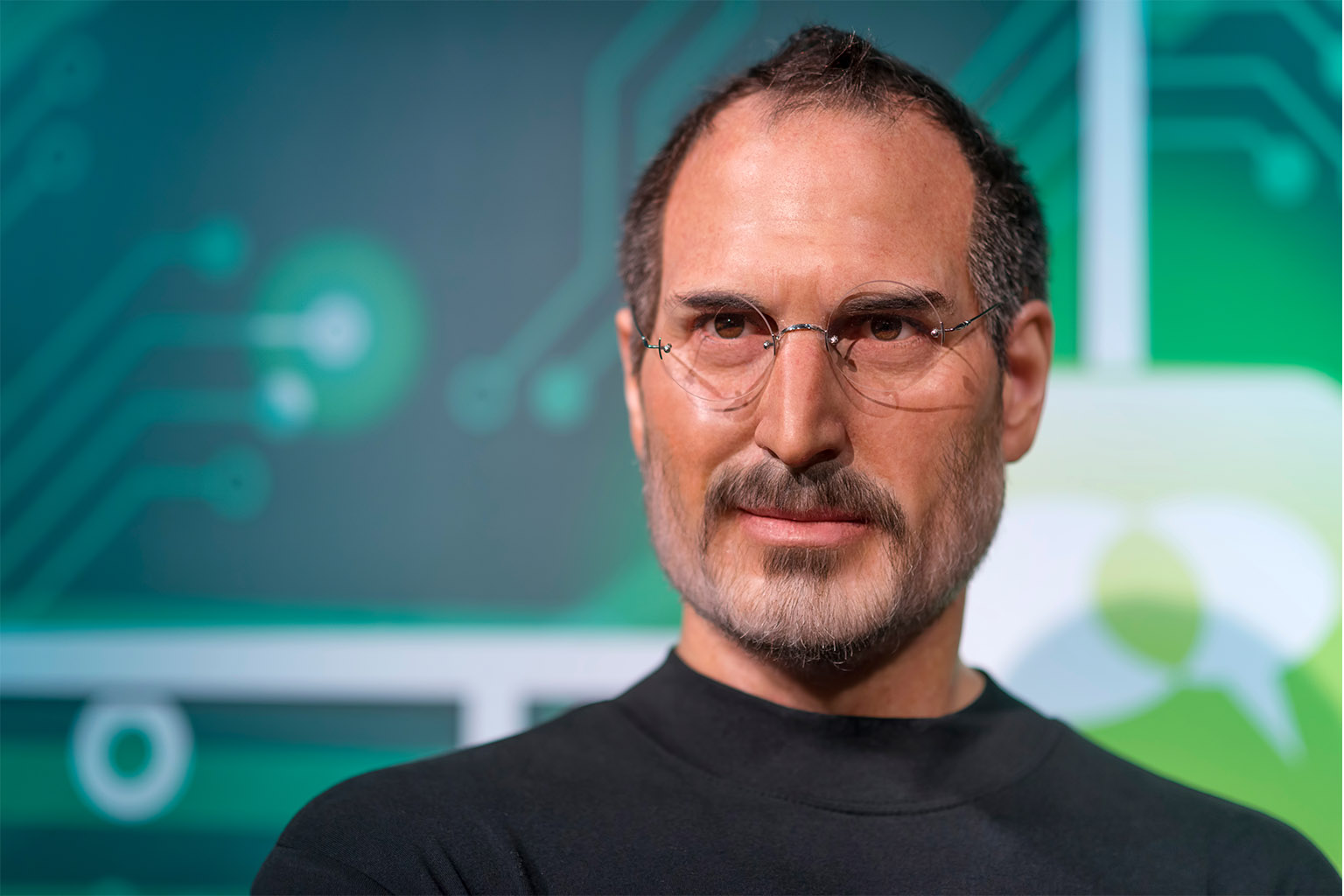
Steve Jobs was infamous for his relentless pursuit of perfection and his tough leadership style at Apple. Imagine stepping into an elevator with him and knowing that the next few floors could decide your fate at the company. Today, 95% of Generation Z employees wouldn’t survive that kind of pressure, marking a stark contrast in workplace culture across generations.
As a seasoned web editor focusing on authoritative content, I’m here to take you through the high-stakes atmosphere at Apple under Jobs, how it shaped the company’s legendary innovations, and the seismic shift in leadership under Tim Cook. Let’s dive into what made Jobs’ Apple unique—and why his exacting standards are nearly impossible to maintain in today’s world.
The Elevator Encounter That Could Make or Break Your Career
For Apple employees during Steve Jobs’ tenure, every moment had to count—especially when sharing an elevator ride with him. Michael Dhuey, a veteran engineer who worked on the Macintosh II and the original iPod, recalls the palpable anxiety surrounding these brief encounters. If Jobs asked, “What are you working on?” you had only a few floors to deliver the kind of answer that could preserve your job—and possibly your career.
This intense pressure to perform instantly, without hesitation, meant Apple’s culture was built on razor-sharp focus and zero tolerance for mediocrity. Employees prepared their responses in advance out of fear of awkward silence or a dismissive rebuke. This “elevator test” wasn’t just symbolic; it reflected a deep-seated emphasis on excellence entrenched by Jobs.
Jobs’ Brutal Honesty and Unwavering Vision
Michael Dhuey paints a vivid portrait of Jobs as “very clear about what he didn’t like,” unafraid to deliver harsh criticism. “What you’re doing is crap,” was not an uncommon phrase at Apple under Jobs’ rule. This kind of direct feedback was part of a wider culture that rewarded innovation but demanded relentless self-improvement.
At the same time, Jobs’ perfectionism was mirrored in his hands-on involvement with product design. Dhuey offers an insightful example from the iPod’s development, explaining how Jobs’ personal hearing loss affected product specifications. Balancing Jobs’ need for louder volume with regulatory limits in France shows the unusual, detailed challenges the team faced. It was a fusion of Jobs’ uncompromising standards and visionary drive that pushed Apple’s products beyond expectations.
According to a Harvard Business Review article, Jobs’ combination of “intense focus on product quality” and “demand for excellence” was a major factor contributing to Apple’s revolutionary breakthroughs during his tenure.
The Shift to a New Apple Under Tim Cook
After Jobs’ passing, Apple’s leadership changed course under Tim Cook. The company’s work culture has since embraced flexibility and remote working, a dramatic departure from Jobs’ hyper-demanding environment. Cook is known for working remotely himself, often keeping Apple Park almost empty on Fridays—a unheard-of practice during Jobs’ era.
This leadership shift reflects bigger workforce trends. Younger professionals, especially Generation Z, today are less inclined to tolerate extreme pressures. Studies report that roughly 95% of younger workers exhibit behaviors like “quiet quitting,” doing just enough to satisfy their roles without the intense dedication Jobs demanded.
Workplace dynamics at Apple now balance high standards with modern expectations for well-being and work-life harmony. The tension between maintaining Apple’s innovation legacy and adapting to evolving employee attitudes is clear.
A Pew Research Center report highlights this generational shift in work values, showing Gen Z prioritizes flexibility and mental health far more than older generations.
Reflecting on Jobs’ Lasting Impact and Complex Legacy
Steve Jobs’ journey was never straightforward. After being forced out of Apple in 1985, Jobs launched NeXT, a venture that struggled to find commercial success. The company’s computers were expensive and niche, selling only about 50,000 units before Apple acquired NeXT in 1996 for $429 million. This acquisition paved the way for Jobs’ return and Apple’s subsequent resurgence.
Dhuey emphasizes that Apple’s accomplishments were the result of a collaborative team effort, not just Jobs’ leadership. While Jobs’ charisma and vision were crucial, the company’s success came through contributions across the organization.
Despite the pressures and intensity, Jobs’ impact on design, innovation, and corporate culture remains unmistakable. His drive to hold Apple to the highest standards spearheaded transformational products that changed industries worldwide.
Steve Jobs’ intense leadership style may feel alien to many today, especially younger generations who seek balance and flexibility. However, understanding this tough-love approach provides critical insight into Apple’s meteoric rise and the evolution of workplace culture in the tech industry.
If you found this exploration fascinating, feel free to share your thoughts or experiences working under demanding leadership styles in the comments below. How do you think modern work environments can balance high performance with well-being? Join the conversation and share this article with friends who appreciate tech history and leadership insights.