


In a world where technology races ahead at lightning speed, restrictions often lead to creative workarounds. Chinese AI companies have found themselves at the center of a high-stakes game, innovating daring tactics to navigate around the stringent US restrictions on advanced semiconductor chips. From covert journeys across Southeast Asia to tech hubs in the Middle East, their story reveals a blend of ingenuity, audacity, and global interconnection reshaping the future of artificial intelligence.
How Chinese firms circumvent US AI chip restrictions
The US government’s clampdown on selling cutting-edge AI chips to China—motivated by concerns over national security—has escalated since 2022. Yet, these controls have not halted China’s AI ambitions. Instead, Chinese engineers have designed imaginative strategies to bypass limitations, ensuring their AI development programs keep advancing.
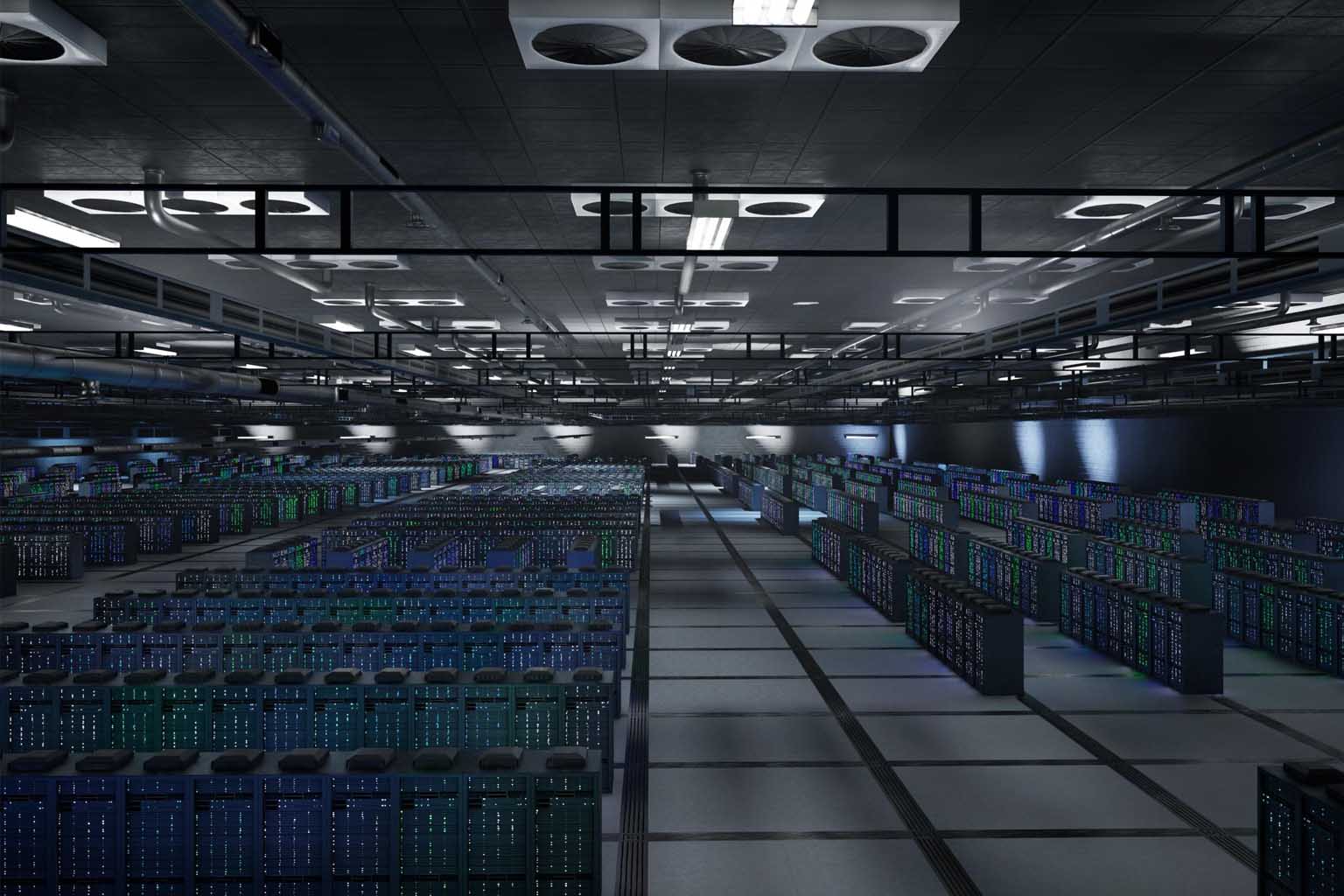
Consider an incident from early March 2024: four Chinese engineers boarded a flight from Beijing to Malaysia, each carrying a suitcase loaded with 15 hard drives. Together, these held 80 terabytes of invaluable data—ranging from spreadsheets to video footage—critical for training complex AI models. Once in Malaysia, the team accessed a local data center, tapping into 300 high-performance servers equipped with Nvidia’s latest chips.
This data center, serving as a proxy computational hub, allowed the team to build and refine their AI algorithms without physically transferring expensive hardware into China. After completing their work, they returned to Beijing with the finely tuned AI model data.
Such cross-border workarounds have become a prominent tactic to sidestep the US export controls. Instead of smuggling high-tech chips—now increasingly difficult due to tighter enforcement—companies rely on transporting massive datasets and remotely leveraging hardware stationed overseas.
The rising significance of Southeast Asia and the Middle East
Southeast Asia is transforming into a pivotal region for data processing and AI innovation, partly fueled by this demand from Chinese firms. With nearly 2,000 megawatts of data-center capacity—equivalent to the combined power of London and Frankfurt, two of Europe’s largest tech hubs—countries like Malaysia, Singapore, and Thailand are fast becoming essential nodes in the global AI ecosystem.
Real estate giant Jones Lang LaSalle reported that Malaysia alone imported over $3.4 billion in semiconductor chips from Taiwan earlier this year, illustrating the scale of demand. Chinese companies often register entities locally to streamline operations and avoid detection, carefully packaging data and manpower to minimize scrutiny.
The Middle East is another hotbed for this activity. Nvidia, a leading AI chip manufacturer, has secured major sales in countries such as Saudi Arabia, Qatar, and the United Arab Emirates—destinations now hosting hundreds of thousands of AI chips. This regional boom highlights a strategic diversification by Chinese firms keen to exploit global infrastructure to maintain AI progress.
Inside the logistics: data transport and stealth tactics
Transporting vast datasets isn’t a simple task. The engineers traveling to Malaysia spent over two months refining their data sets and optimizing training programs before physical shipment. By choosing suitcases over internet transfers, they avoided slow connection speeds and potential cybersecurity risks.
Moreover, the choice to divide the drives into four separate suitcases—unlike the previous practice of using a single case—was a calculated move to evade customs detection in Malaysia.
This meticulous approach illustrates how these companies have adapted in the face of rising geopolitical and technological pressures. By leasing servers in third-party countries, Chinese firms circumvent the outright import of restricted chips, sidestepping escalating penalties for violations.
As Thea Kendler, former head of export controls at the US Department of Commerce, noted, “This was something we were consistently concerned about,” referencing the challenges in policing remote AI chip usage considering the complex chain of intermediaries involved.
What this means for global AI development
The evolving landscape reveals an intertwined global approach to AI innovation—where technology, policy, and geopolitics converge. According to a 2023 study published by the Brookings Institution, countries with robust technological infrastructures and regulatory flexibility are rapidly gaining strategic advantage in AI.
Investors share this perspective. Adam Ooi, director at a Malaysia-based family office, recently injected $5 million into a fund leasing AI servers to meet rising Chinese demand in Malaysia, Singapore, and Indonesia. “We should move fast before the rules tighten up,” Ooi remarked, signaling the urgency and opportunity felt within the region’s tech sector.
This dynamic underscores how Southeast Asia and the Middle East have transformed from peripheral players into critical hubs fueling some of the world’s most advanced AI projects. It also raises pressing questions about regulation, intellectual property, and international cooperation as technological boundaries become ever more entwined.
“It’s a chess game with high stakes where innovation meets geopolitics. Understanding these new pathways is key for stakeholders worldwide,” explained Dr. Lisa Nguyen, a technology policy expert at the Center for Global Innovation, in a 2024 interview.
The compelling story of suitcases brimming with hard drives and leased servers across continents reveals the lengths to which determined engineers and companies will go to keep AI development on track. These emerging global circuits of technology offer a vivid illustration of how breakthroughs in artificial intelligence are not merely technical but profoundly human—and international—in endeavors.
What do you think about these creative workarounds in the AI chip race? Share your thoughts in the comments below or spread the word if this inside look sparked your curiosity.