


Flying suitcases, rented servers, and smuggled chips—these are the new tools of a high-stakes game Chinese AI firms are playing to bypass U.S. chip bans. As restrictions tighten, Chinese engineers and companies are innovating with bold and often secretive strategies to keep their AI ambitions alive. From suitcases packed with terabytes of data to sprawling data centers in Southeast Asia and the Middle East, this story reveals the lengths tech developers will go to in order to stay in the global race.
The ingenious workaround: data on the move
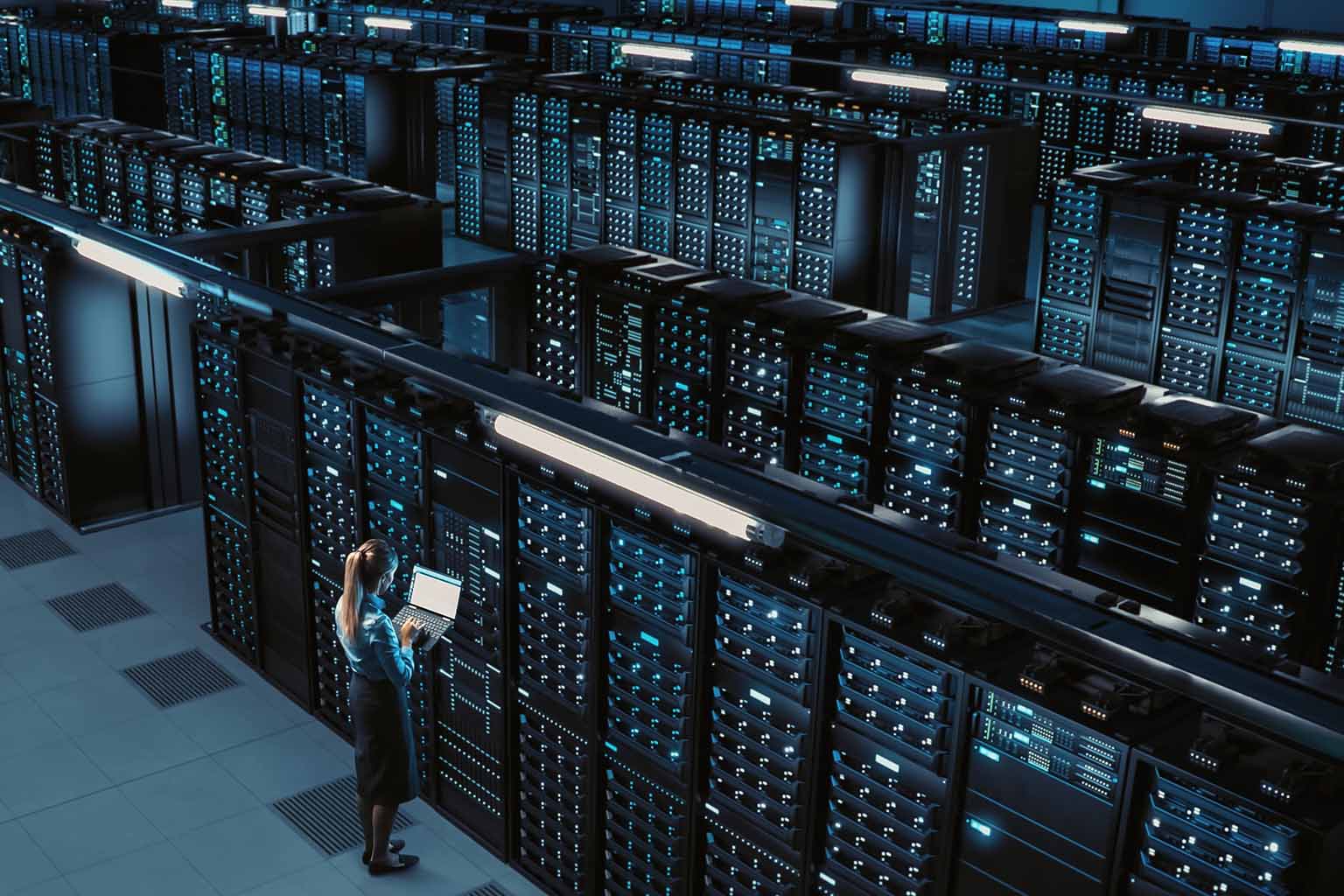
In early March, a team of four Chinese engineers boarded a plane from Beijing to Malaysia, each carrying a suitcase loaded with 15 hard drives. The combined storage capacity? A staggering 80 terabytes packed with critical datasets—images, videos, spreadsheets—all essential to training advanced artificial intelligence models. Their destination was a Malaysian data center equipped with 300 servers powered by cutting-edge Nvidia chips. This setup allowed them to train their AI models remotely, sidestepping the U.S. export controls that limit high-end AI chip sales to China.
Once their work was done, the engineers returned to Beijing, physically carrying back hundreds of gigabytes of refined AI model parameters. This complex logistical maneuver—shuttling data across borders instead of hardware—has become a key method for avoiding U.S. restrictions on chip exports. It also illustrates the growing ingenuity with which Chinese firms are adapting to geopolitical and trade barriers.
Smuggling, substitutes, and U.S. export controls
Since 2022, the U.S. government has intensified export controls on advanced AI chips, citing national security concerns. This has made it increasingly difficult for Chinese companies to legally acquire the technology driving next-generation AI development. In response, some firms have turned to domestic substitutes, while others have tried the risky route of smuggling hardware via third-party countries.
However, rising American diplomatic pressure has made smuggling a far more challenging option. Instead, many companies have shifted their strategy to processing data and running models outside China, making extensive use of rented servers in Southeast Asia or the Middle East. According to Thea Kendler, former head of export controls at the U.S. Department of Commerce, “This was something we were consistently concerned about,” referring to the trend of remote access to U.S. AI chips by Chinese developers. The diffuse nature of intermediaries involved complicates enforcement of export rules, illustrating how technological innovation and regulation are locked in a cat-and-mouse game.
Southeast Asia’s booming role in AI
Southeast Asia is rapidly emerging as a pivotal hub for AI development thanks to its growing infrastructure of data centers. Countries like Malaysia, Singapore, and Thailand now boast nearly 2,000 megawatts of data-center capacity—comparable to the combined capabilities of Europe’s largest data markets, London and Frankfurt, notes real estate firm Jones Lang LaSalle.
Malaysia, for example, imported over $3.4 billion worth of semiconductor chips from Taiwan earlier this year. These chips primarily include advanced NVIDIA components vital for AI training. Notably, these acquisitions continue despite the U.S. government not issuing specific restrictions on chip purchases in these countries, allowing Southeast Asia to serve as a critical bridge for Chinese developers.
In a recent case, a Malaysia-based family office director, Adam Ooi, invested $5 million into leasing AI servers targeting clients in China, Singapore, and Indonesia. Ooi emphasized the urgency: “We should move fast before the rules tighten up.” This trend suggests that Southeast Asia’s importance as a global AI powerhouse will only deepen as geopolitical pressures continue.
The Middle East: a new frontier for AI chips
Beyond Southeast Asia, the Middle East is becoming an increasingly fertile ground for AI chip sales and server leases. Nations such as Saudi Arabia, Qatar, and the United Arab Emirates have entered into substantial deals involving hundreds of thousands of AI chips. Nvidia recently confirmed several major sales in this region, signaling rising demand and strategic importance.
These developments show the Middle East’s expanding role in the global AI supply chain—facilitating platforms where Chinese AI firms can access hardware ecosystems that remain off-limits directly. Industry experts believe that this diversification of AI development hubs could reshape the geopolitical landscape of technology innovation over the coming years.
According to a Wall Street Journal report, the scale and sophistication of these workarounds illustrate how intertwined technology, trade regulation, and national security have become.
“Tech companies worldwide are finding ways to navigate complex rules in ways that challenge existing regulatory frameworks,” remarked Dr. Lisa Nguyen, a cybersecurity and export control expert at the Center for Strategic Technology Studies, in a 2024 briefing.
Understanding these patterns is crucial—not just for policymakers but for anyone interested in the future of AI technology and global innovation.
Flying suitcases, rented servers, and creative logistics have become the lifelines for Chinese AI companies navigating U.S. restrictions. This unfolding story is more than a tale of corporate grit; it highlights how technology transcends borders and the enduring drive to innovate despite geopolitical roadblocks.
How do you think these developments will impact global AI competition? Share your thoughts, experiences, or questions below—and feel free to pass this story along to those fascinated by the intersection of technology and geopolitics.