


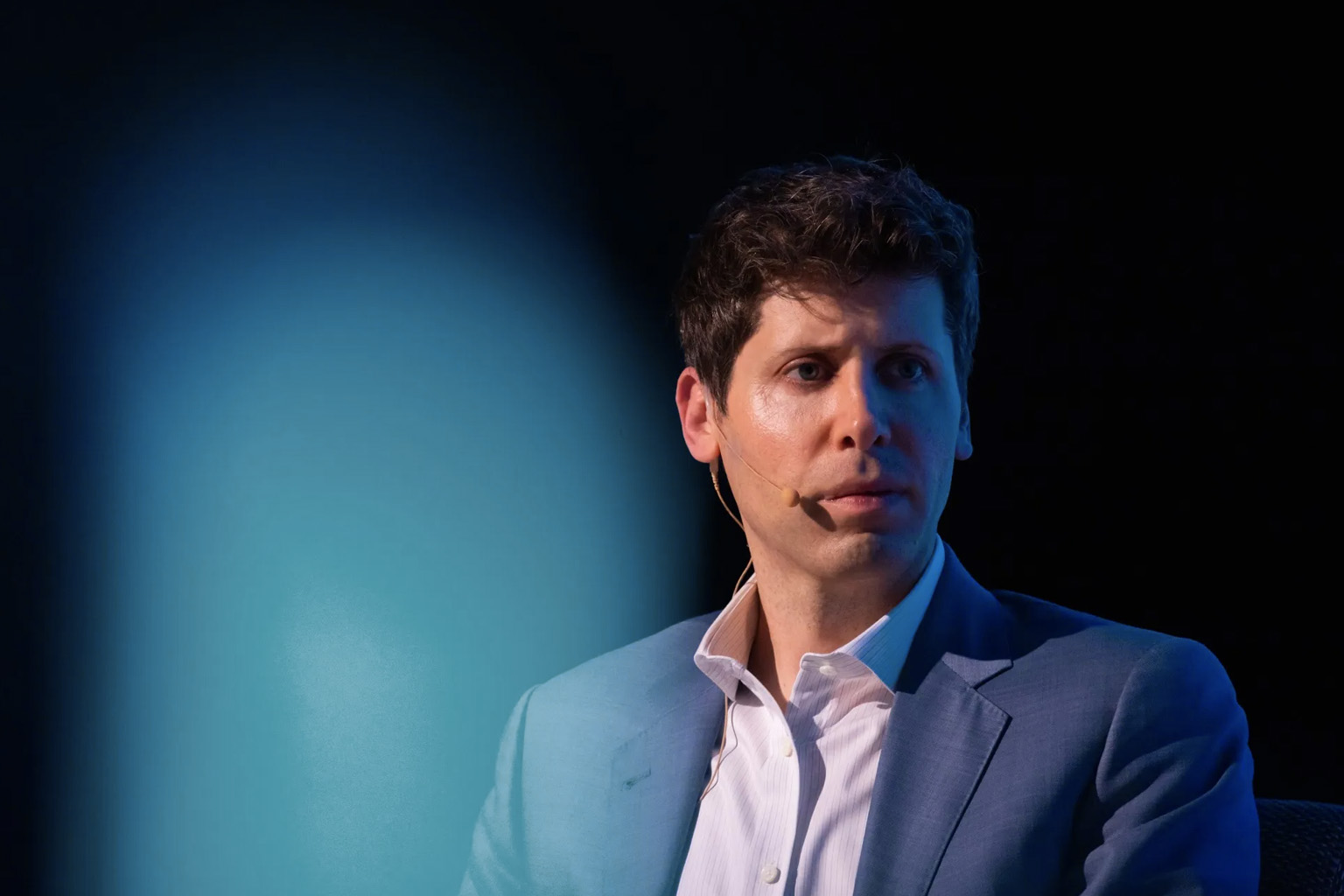
Sam Altman, the CEO of OpenAI, is spearheading a revolutionary vision to transform the way we interact with technology. After the smartphone changed the world, Altman aims to push the boundaries even further by creating an AI-powered device that could redefine how we live and communicate. Partnering with Apple design legend Jony Ive, this ambitious project promises to merge cutting-edge artificial intelligence with sleek, user-friendly design—a combination that could signal the next era in consumer technology.
The Vision Behind a New AI Device
In an exclusive interview with Nikkei Asia, Sam Altman described OpenAI’s new hardware as potentially “the biggest evolution in tech devices since the iPhone.” Rather than just relying on traditional keyboards or touchscreens, this AI device aims to enable seamless, natural interaction. The goal is to create a tool that feels less like a gadget and more like an intuitive extension of the user’s mind.
With Jony Ive, the former chief design officer at Apple who shaped iconic devices like the iPhone and iMac, on board, the emphasis lies not just on power but on elegant, minimalist design. Ive’s involvement signals OpenAI’s commitment to ensuring this product is not only state-of-the-art but also approachable and beautiful, breaking away from the clunky or overly technical hardware that might intimidate users.
Setting a New Standard in Consumer Tech
This collaboration carries the weight of huge expectations, as it could transform the digital interface that billions rely on every day. Unlike smartphones that dominate our pockets today, this device could embed AI deeply into everyday life and deliver new forms of interaction—voice, gestures, or other yet-to-be-invented methods.
Experts believe this shift could create a paradigm change, accelerating how AI integrates into work, entertainment, and communication. A 2023 report by McKinsey & Company highlighted the growing importance of dedicated AI hardware in improving performance and energy efficiency compared to traditional computing devices, underscoring why big tech companies are investing heavily in this space.
Global Competition and Challenges
Altman’s vision isn’t just about technology; it’s also a strategic response to the intensifying global rivalry in artificial intelligence. He openly acknowledges that China has “significantly caught up” with American companies, making international competition fiercer than ever.
Beyond business, Altman has voiced concerns about the geopolitical risks posed by AI. He warned about its potential misuse by authoritarian regimes for surveillance and digital censorship, pointing to a future where AI could drastically reshape political power dynamics. OpenAI therefore stands at a crossroads, tasked not only with innovation but the ethical stewardship of this powerful technology.
Massive Infrastructure and Chip Innovation
To support this new AI hardware, OpenAI is investing heavily in infrastructure. The company launched a $500 billion initiative, known as the Stargate project, backed by SoftBank and Oracle, to build advanced AI data centers across the United States. This monumental commitment demonstrates the scale of the computational power required for next-generation AI devices.
On the hardware front, Altman also confirmed that OpenAI is developing custom AI chips to reduce dependence on suppliers like Nvidia. Designing proprietary chips enables optimization tailored for AI workloads, increasing both efficiency and lowering costs—a strategy already embraced by giants such as Apple and Google.
Strategic Partnerships With Japan
Altman’s recent visit to Japan underlines OpenAI’s intent to collaborate internationally, especially with Japan’s semiconductor industry. Known for its world-class manufacturing and engineering expertise, Japan offers invaluable resources for developing the chips and infrastructure critical to OpenAI’s goals.
Speaking about the alliance, Altman emphasized the synergy in chip manufacturing efforts and highlighted Japan’s pivotal role amid the tense U.S.–China technological rivalry. Such partnerships could be key to sustaining leadership in AI innovation and supply chain resilience.
“I think this collaboration could propel AI hardware to new heights, combining OpenAI’s software prowess with Japan’s exceptional manufacturing capabilities,” a technology analyst remarked on the significance of these talks.
This multifaceted strategy—from design and hardware to global partnerships—positions OpenAI not just as an AI software leader but as a formidable player in reshaping the tech ecosystem.
A Glimpse of the Future
As OpenAI’s CEO, Sam Altman brings a unique blend of tech vision, practical execution, and ethical consciousness to this groundbreaking project. The partnership with Jony Ive ensures the device will feature world-class design, while multibillion-dollar investments in infrastructure and chip development demonstrate a commitment to scale and innovation.
If successful, this AI device could set a new global standard, much like the iPhone did two decades ago. It promises to expand the role of AI beyond virtual assistants and apps, making artificial intelligence a tangible, everyday tool that truly enhances human potential.
What do you think about this bold move to replace smartphones with dedicated AI devices? Share your thoughts in the comments or discuss this story with friends to see what the future of technology might look like through different eyes.
For more detailed updates and insights on AI and technology, stay tuned to this page and follow trusted sources. Together, we’ll watch this exciting evolution unfold.