


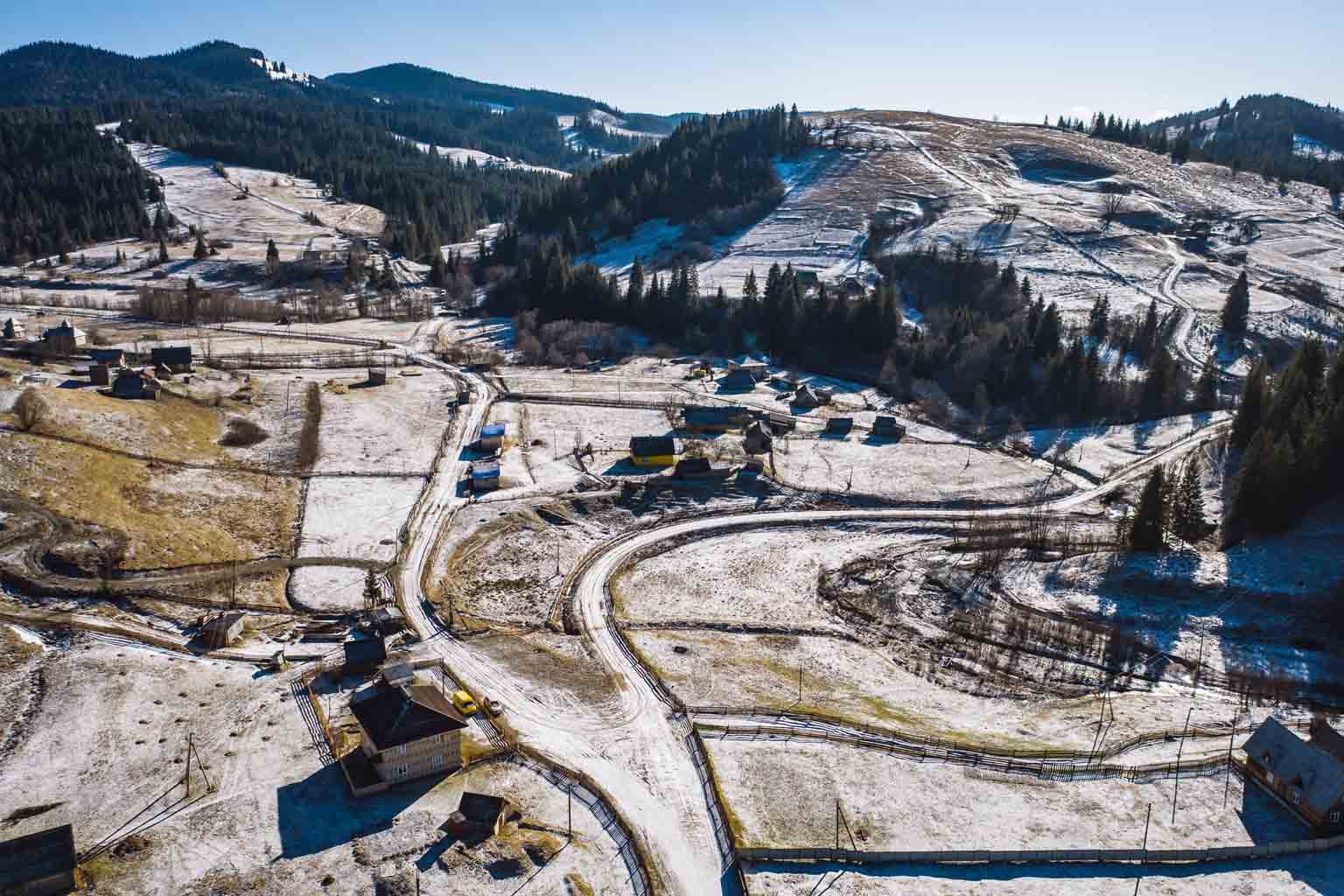
Beneath the serene hills of southwestern Norway lies a discovery that could reshape Europe’s green energy journey. Hidden underground is a massive phosphate deposit valued at an astonishing $12 trillion, a find that promises to transform the continent’s access to vital resources for sustainable technologies. This unexpected treasure trove may just be the key to unlocking Europe’s energy independence and securing its position in the global green revolution.
An unprecedented phosphate reserve emerges in Norway
In 2018, Norge Mining stumbled upon a galactic-scale deposit containing an estimated 70 billion tons of phosphate—an element essential to the modern energy economy. The sheer scale of this trove surpasses any other known source in Europe, marking a milestone moment for the continent’s raw material landscape. As Michael Wurmser, Norge Mining’s founder and deputy CEO, told Euractiv, “When you find something this big in Europe, larger than all other sources we know, it is a game-changer.”
Phosphate is a cornerstone of green technologies, integral to the production of electric vehicle batteries, solar panels, and crucial fertilizers that sustain global agriculture. With Europe dependent on imports to fulfill its demand, this local bounty could dramatically reduce reliance on foreign suppliers and fortify supply chains vulnerable to political and economic disruptions.
Phosphate’s pivotal role in Europe’s clean energy ambitions
Europe’s clean energy transformation hinges on securing steady and sustainable access to critical minerals like phosphate. This deposit offers the continent enough material to cover demand for the next 50 years, providing a rare opportunity for self-sufficiency in an industry typically dominated by countries such as Morocco, China, and Russia.
The recent global upheavals, including disruptions caused by the war in Ukraine, have exposed the fragility of relying on distant mining operations. Norway’s find could alter decades of dependency, offering an autonomous source critical for the EU’s green technology supply chains. The country’s Minister of Trade and Industry, Jan Christian Vestre, highlighted Norway’s responsibility: “We have an obligation to lead the way in creating the world’s most sustainable mineral industry.”
Although mining operations won’t kick off until 2029, Norway is proactively building the infrastructure and legal frameworks necessary to responsibly harness this bounty. This preparatory phase reflects an awareness of both the enormous potential and the challenges ahead.
Environmental challenges amid economic promise
Despite its promise, this discovery raises serious questions about environmental stewardship. Phosphate mining and refining are known for being energy-intensive processes with significant carbon emissions. Norge Mining has pledged to implement advanced carbon capture and storage (CCS) technologies in a bid to minimize emissions. Still, experts remain cautious about how effectively these technologies can scale to fully neutralize the environmental footprint.
The complexity deepens because the deposit contains not only phosphate but also valuable minerals like titanium and vanadium. Titanium’s applications in aerospace and medical devices, alongside vanadium’s role in strengthening steel, add economic heft but also greater extraction and processing challenges. These factors heighten the need for environmentally conscious mining practices.
Experts from the International Energy Agency emphasized in a 2023 report that mining critical raw materials for energy transition must align with rigorous environmental safeguards to ensure true sustainability. Norway’s initiative will be closely watched as a potential model for balancing economic benefit with ecological responsibility.
What Norway’s discovery means for Europe’s green future
This $12 trillion phosphate find is more than just an economic windfall—it represents a strategic pivot point for Europe’s clean energy future. By securing domestic supplies of this essential resource, the continent can accelerate innovation in renewable technologies and reduce vulnerabilities to volatile international markets.
The discovery reinforces the urgency for collaboration among policymakers, industry stakeholders, and environmental advocates to develop sustainable mining practices that foster economic growth while preserving the environment. As Europe strives toward carbon neutrality by mid-century, reliable access to vital minerals like phosphate will be a decisive factor in success.
For those interested in exploring the broader implications of phosphate and other critical minerals, the European Commission offers an insightful resource here: EC Energy Storage Report.
“Ensuring security of supply in critical raw materials is vital for the green and digital transformation of Europe,” stated a 2024 report by the European Raw Materials Alliance, highlighting the discovery’s significance.
To deepen your understanding of how mineral mining interacts with the energy transition, check out this expert presentation :
This extraordinary phosphate find shines a hopeful beacon for Europe’s energy independence. Yet it also reminds us of the complex balance between resource development and environmental care — a balance that will define the future of green technology for decades to come.
What are your thoughts on Europe’s new phosphate treasure? How should the continent balance the mining opportunities with environmental responsibility? Join the conversation by sharing your views below!