


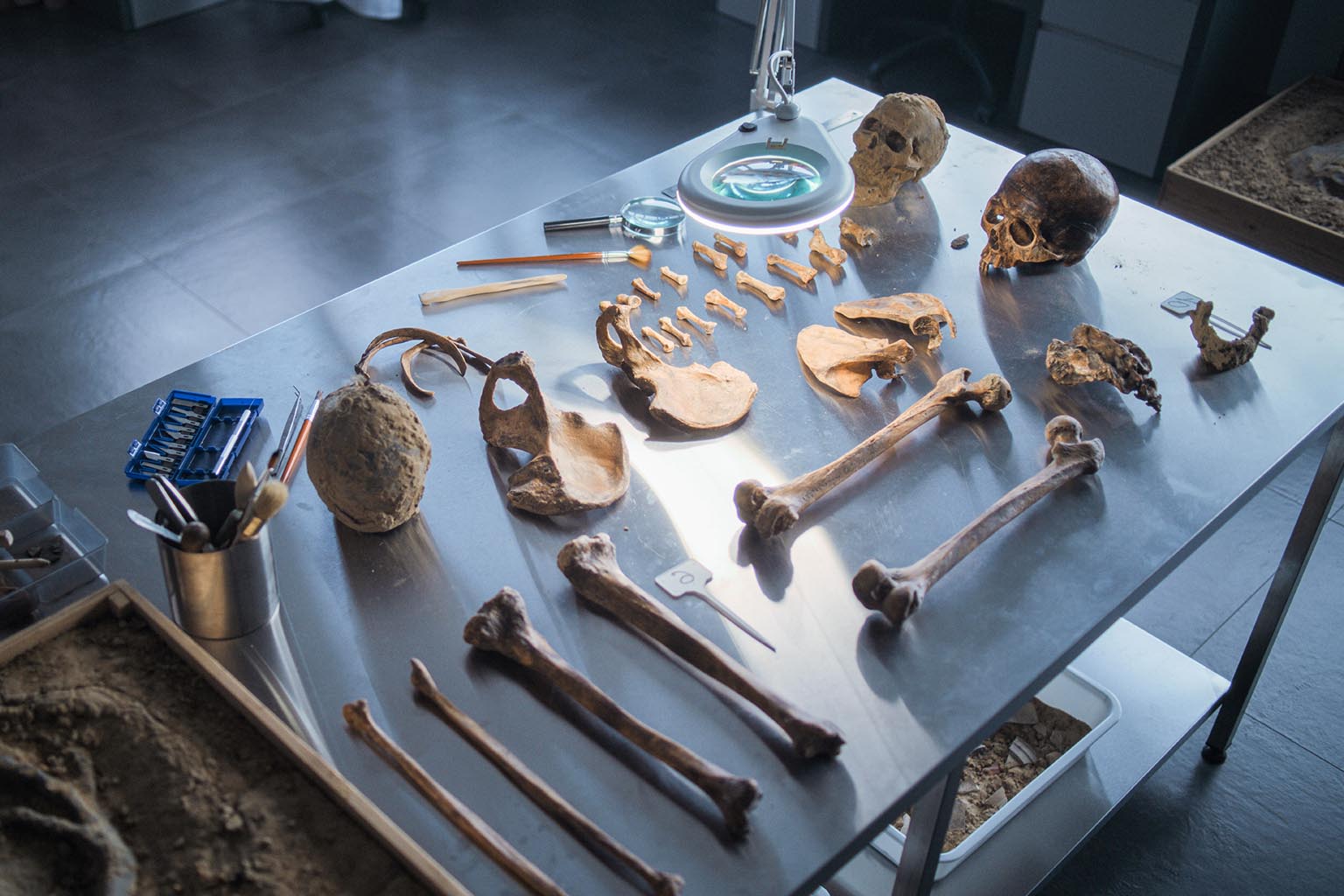
Scientists uncover remarkable bones of a new extinct species lurking deep inside a Cuban cave. This thrilling discovery not only shines a light on undiscovered facets of prehistoric life but also pushes the boundaries of what we know about Cuba’s ancient fauna.
As a senior web editor specializing in SEO and Google Discover, I’m here to guide you through this captivating story, packed with rich details and expert insights.
Unearthing the Mystery: The Cuban Cave Discovery
In a remote Cuban cave, scientists have unearthed fossilized bones that belong to a species previously unknown to science. These ancient remains, perfectly preserved in the limestone cavern’s dark recesses, indicate an animal that roamed Cuba long before human inhabitants arrived.
The discovery was made possible by a team of Mexican and Cuban researchers who collaborated to explore Cuba’s subterranean ecosystem. Using advanced excavation techniques, the team carefully extracted skeletal fragments from a layer dated to thousands of years ago. This remarkable find contributes to a growing body of evidence about the island’s unique prehistoric biodiversity.
A Window Into Cuba’s Extinct Wildlife
The newly identified species is believed to be a previously unknown branch of mammals that once thrived in Cuba’s ecosystem. Researchers noted that the bones belonged to a creature with structural features distinct from known species on the island, suggesting it occupied a unique ecological niche.
Dr. Juan Pérez, a lead paleontologist on the project, explained, “These bones reveal not just a new species but also offer critical clues about how species evolved in island environments.” This insight is backed by a 2023 study from the Natural History Museum that shows island species frequently evolve in isolation, leading to distinctive adaptations and extinctions.
Island ecosystems like Cuba’s often preserve species that have vanished elsewhere, making this discovery a precious addition to our understanding of evolutionary processes and extinction patterns.
The Role of Cave Environments in Preserving History
Caves serve as natural time capsules, providing an ideal preservative environment for bones and other fossils. The lack of sunlight, stable humidity, and protection from environmental erosion help maintain the integrity of remains over millennia.
The Cuban cave where these bones were found is one of the many karst systems in the Caribbean, known for preserving fossilized remains that narrate the story of lost species. This setting offers paleontologists a unique lens through which to examine the island’s prehistoric era.
Implications for Conservation and Future Research
Discovering a new extinct species is more than a historical milestone—it also holds vital lessons for today’s conservation efforts. Understanding what drove these animals to extinction, whether climate shifts, human impact, or other factors, can inform strategies to protect Cuba’s current wildlife.
The bones also underscore the need for continued exploration and scientific investment. As Dr. Pérez emphasizes, “Every fossil uncovered is a piece of the puzzle of life on Earth. These insights can inspire new efforts to preserve the biodiversity we still have.”
The Cuban government and international scientific bodies are now planning further expeditions to map more caves and unearth additional fossils that could expand our knowledge of the island’s natural history. These efforts highlight the importance of multidisciplinary collaboration in scientific discovery.
An Invitation to Explore Our Shared Past
This extraordinary find invites all of us to reflect on the hidden stories beneath our feet and the rich tapestry of life that once thrived on Earth. It also celebrates the scientific curiosity and perseverance that bring such remarkable memories from the past into the present.
For readers fascinated by natural history and scientific innovation, staying updated on such discoveries is a journey rich with wonder and learning. Don’t hesitate to share your thoughts or questions about this fascinating breakthrough in the comments below. Your engagement helps keep the conversation about our planet’s past alive today.
Have you encountered an intriguing fossil story that inspired you? Join the discussion and pass it on!
extinct species discovery, Cuban cave fossils, prehistoric mammals, island biodiversity, fossil preservation, paleontology research, ecosystem evolution, scientific collaboration, natural history insights, conservation lessons, karst cave systems, ancient fauna, fossil excavation techniques, species evolution, research expeditions