


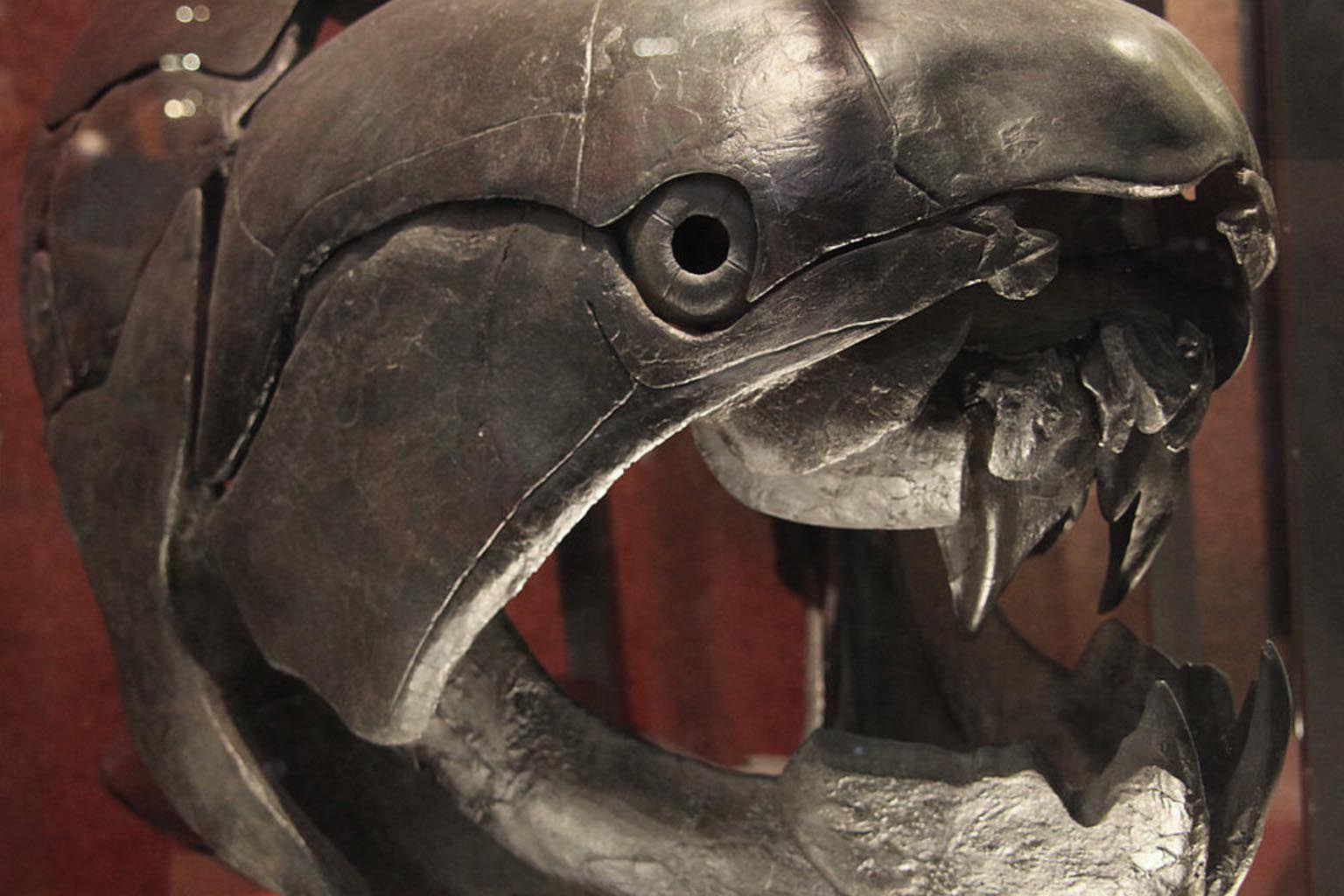
Scientists have long wondered about the mysterious origins of human teeth—a question that has just received a fascinating new answer. It turns out, our teeth are not just for biting or chewing; they are ancient sensory organs tracing back over 460 million years to the armored bodies of prehistoric fish. This eye-opening discovery sheds light on the evolutionary journey from protective fish armor to the sensitive structures inside our mouths today.
Uncovering the Ancient Roots of Human Teeth
A groundbreaking study published in Nature has revealed that teeth evolved from the sensory armor of ancient jawless fish that lived during the Cambrian and Ordovician periods. Using state-of-the-art CT scans and fossil analysis, researchers identified that the same genetic toolkit responsible for these armored sensory tissues also shaped the development of dentine in human teeth—a calcified tissue that lies beneath enamel and contains microscopic tubules.
Scientists focused their research on early vertebrate fossils, such as those belonging to the jawless fish species Anatolepis heintzi. Initially mistaken for primitive vertebrates, further study revealed that some specimens were actually ancient invertebrate arthropods. This finding helped clarify that early vertebrates and arthropods independently developed similar mineralized tissues for sensory purposes on their exoskeletons.
Yara Haridy, a paleontologist and evolutionary biologist at the University of Chicago and co-author of the study, explained, “Teeth can also be sensory even when they’re not in the mouth.” This insight highlights how the dentine-filled tubules found in the ancient armored fish’s skin were likely used to sense environmental stimuli and provided a foundation for the evolution of modern teeth’s sensitivity and structure.
The Sensory Role Behind Our Teeth’s Sensitivity
We often think of teeth as simple tools for eating, but they actually possess an intricate network of nerves and blood vessels that make them highly sensitive. This study proposes that the remarkable sensitivity of human teeth is an evolutionary inheritance—directly linked to their origins within the sensory-rich armor of ancient fish.
The research reveals that these mineralized tissues embedded with nerves on the exoskeletons allowed prehistoric fish to better perceive their surroundings. Over millions of years, this capability was adapted to oral anatomy, resulting in teeth that can feel pressure, temperature, and pain.
Researchers wrote, “Viewed through this evolutionary lens, the sensitivity of teeth is less mysterious and more a reflection of their evolutionary origins.” This profound connection not only explains why teeth are so responsive but also reflects how evolution repurposed a survival feature into a complex organ fundamental to communication, feeding, and protection.
A Genetic Toolkit Passed Down Through Time
At the heart of this evolutionary story is a shared genetic blueprint that influenced development of both external armor and internal teeth. This toolkit allowed organisms to produce mineralized tissues with nerve-like structures that initially functioned as protective and sensory armor.
According to the study, this ancient genetic machinery was redeployed as animals evolved jaws and teeth. The ability to sense the environment from within the mouth became a critical adaptation—enabling animals to detect food texture, temperature, and even potential harm.
This discovery challenges previous understandings of tooth evolution and opens new doors for exploring how sensory organs adapt over time. The intricate design of teeth today reflects a deep and continuous evolutionary history, connecting us directly to some of Earth’s earliest vertebrates.
What This Means for Evolutionary Biology
This research not only rewrites the narrative of tooth evolution but also uncovers the evolutionary link between sensory perception and structural adaptation. It emphasizes how nature’s innovations often stem from unexpected origins—transforming protective armor into an essential oral organ.
A 2023 report by the University of Chicago’s Department of Ecology and Evolution, which co-published this study, highlights that these findings offer key insights into vertebrate sensory development. They deepen our understanding of how early vertebrates, even without jaws, were equipped with sophisticated sensory mechanisms enabling survival in ancient environments.
This video helps audiences visualize the astonishing transformation from fish armor to human teeth, bridging millions of years of evolutionary history.
This study was authored by a diverse team of evolutionary biologists and paleontologists, including Dr. Haridy and colleagues from leading institutions worldwide. Their expertise underscores the credibility and depth of the findings, affirming the importance of integrating paleontology with molecular biology in evolutionary research.
Scientists and enthusiasts alike can now appreciate teeth not just as tools, but as enduring symbols of a sensory legacy spanning nearly half a billion years.
We invite you to share your thoughts on this remarkable discovery! How does knowing the sensory roots of teeth change the way you view everyday biology? Join the conversation and spread the word!