


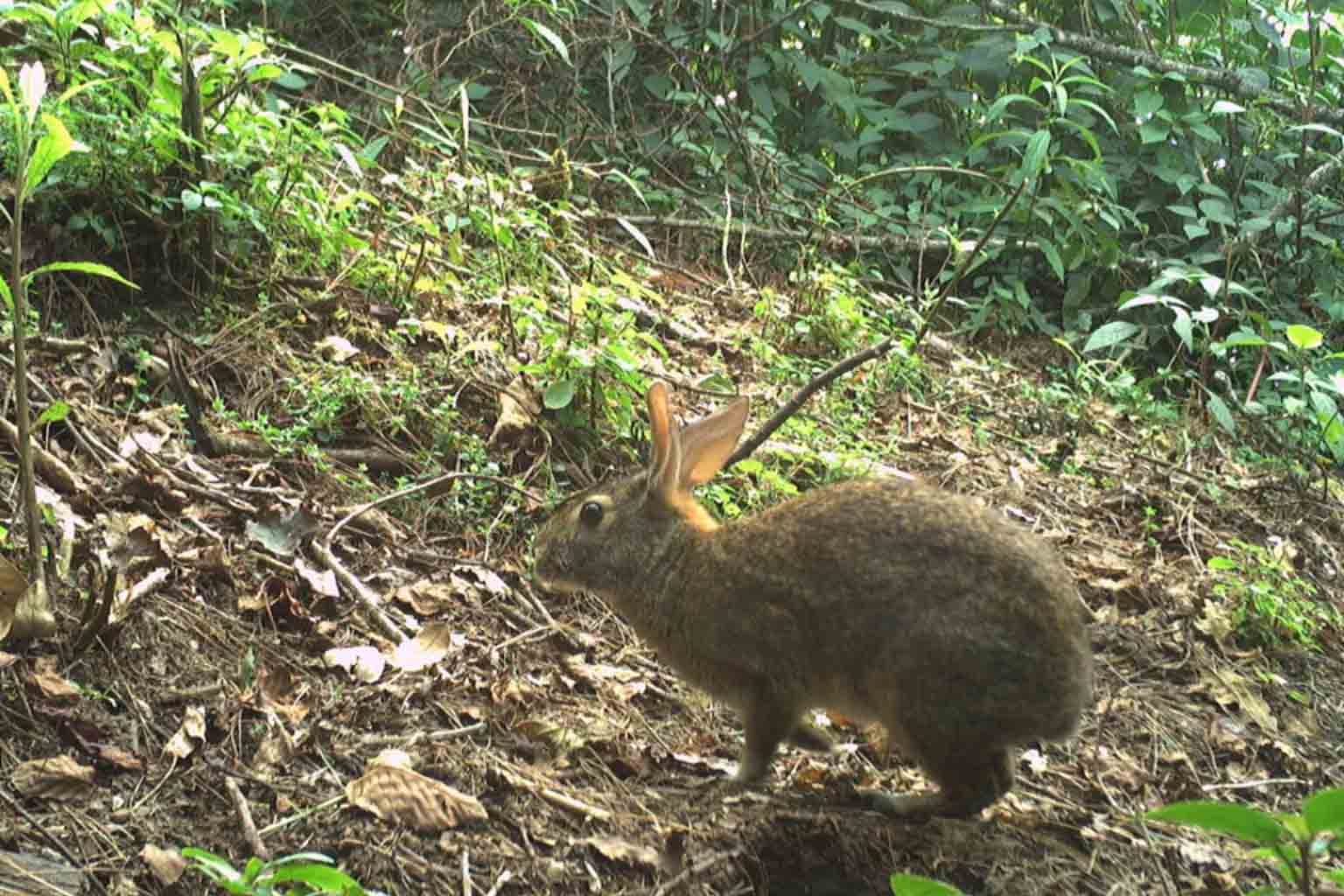
The dense forests of Mexico’s Sierra Madre del Sur have kept their secret well. For 120 years, scientists believed the Omiltemi cottontail rabbit had vanished from the earth, becoming another casualty of environmental change. Yet local hunters never stopped insisting they occasionally glimpsed the small, elusive creatures during their expeditions through the rugged mountain terrain.
This disconnect between scientific records and local knowledge represents a familiar tension in conservation biology. Communities living closest to wildlife often possess the most intimate understanding of ecosystem dynamics, while formal research struggles with the limitations of funding, accessibility, and time. The rediscovery of this long-lost species by ecologist José Alberto Almazán-Catalán validates both approaches, demonstrating how traditional ecological knowledge can guide modern scientific investigation.
The five-year search required unprecedented patience and methodical planning. Working with the global conservation organization Re:wild, the research team deployed camera trap networks across potential habitats, transforming speculation into systematic observation. When the cameras finally captured footage of the rabbit, they confirmed what indigenous communities had maintained for decades—extinction announcements often prove premature. According to research published in Conservation Biology, the rediscovery of supposedly extinct species is a recurring global phenomenon that highlights the limitations of traditional extinction assessments.
“Lazarus species provide beacons of hope in conservation, demonstrating that presumed extinctions may be premature declarations based on incomplete survey data” – Conservation Biology research
The Ecological Web That Depends on Small Survivors
The Omiltemi cottontail’s survival carries implications far beyond its own species boundaries. These rabbits function as ecosystem engineers, shaping their environment through seemingly simple behaviors. Their foraging patterns create seed dispersal networks that influence forest composition across generations. Seeds carried in their digestive systems or stuck to their fur establish new plant colonies in distant locations, effectively expanding genetic diversity within plant populations.
Their role as prey species creates ripple effects throughout the predator-prey network. Snakes, owls, ocelots, pumas, and coyotes all depend on small mammals like cottontails to sustain their populations. When a species disappears from this web, predators must shift hunting strategies or face population declines themselves. The rabbit’s return potentially stabilizes food chains that may have been subtly disrupted for over a century.
Research indicates that rabbit droppings contribute significantly to soil nutrient cycling in forest ecosystems. Their nitrogen-rich waste products enhance plant growth in ways that can be measured decades later through soil analysis. This fertilization effect becomes particularly important in mountainous regions where nutrient availability often limits plant productivity. The intricate ecological relationships mirror the complex cultural dynamics found in ancient Mesoamerica, where species and civilizations alike depended on delicate environmental balances.
The Challenge of Population Assessment
Confirming the species exists represents only the beginning of conservation efforts. Scientists now face the complex task of estimating population size and distribution across the Sierra Madre del Sur. Camera trap data provides presence confirmation but offers limited insights into reproductive success, genetic diversity, or demographic trends.
Current evidence suggests the population remains extremely small and potentially fragmented across isolated habitat patches. This isolation raises concerns about genetic bottlenecks that could compromise long-term survival even if immediate threats are controlled. Small populations become vulnerable to random events like disease outbreaks, severe weather, or local habitat destruction.
The research team must also investigate whether the rabbits maintained continuous populations or survived through periodic local extinctions and recolonizations. Understanding these population dynamics will inform conservation strategies and help predict the species’ resilience to future environmental changes. Studies from Conservation Letters suggest that Lazarus species often persist in small, overlooked refugia before being rediscovered, providing valuable insights into survival mechanisms during environmental stress.
Habitat Pressures in a Changing Landscape
The Sierra Madre del Sur faces mounting development pressure as Mexico’s economy grows and rural communities seek new income sources. Deforestation for agriculture and logging operations fragment the dense forest cover that cottontails require for survival. Road construction creates barriers to movement while increasing access for hunters and predators.
Climate change adds another layer of uncertainty. Mountain ecosystems often provide refuge for species during warming periods, but they also limit options for further elevation migration. Research suggests that small mammals face particular challenges adapting to rapid temperature changes because their high metabolic rates require consistent food availability. The complex relationship between environmental mapping and survival strategies has deep historical roots, as evidenced by 20,000-year-old cave etchings that reveal how ancient peoples understood their landscapes.
Mining activities in the region pose additional risks through habitat destruction and water contamination. The chemical runoff from mining operations can alter plant communities that rabbits depend on for food and shelter, creating subtle but significant impacts on population health.
The Psychological Impact on Conservation Science
Rediscovering lost species creates profound psychological effects within the scientific community that extend beyond simple data collection. Researchers working on presumed extinct species often struggle with feelings of futility and resource allocation guilt—questioning whether their efforts might produce greater conservation benefits if directed toward species with confirmed populations.
The Omiltemi cottontail’s return validates the persistence of scientists who continue searching despite skepticism from colleagues and funding institutions. This emotional dimension of conservation work rarely receives adequate attention, yet it significantly influences research priorities and career decisions. Young scientists observing successful rediscoveries become more likely to pursue similar long-term projects.
The discovery also affects public perception of extinction permanence. Media coverage of species rediscoveries can inadvertently suggest that extinction concerns are overblown, potentially reducing support for preventive conservation measures. Balancing celebration of success stories with continued urgency about biodiversity loss requires careful communication strategies. The parallels to genetic bottlenecks in human evolution remind us that even successful species can face sudden population crashes without warning.
“The rediscovery of Lazarus species demonstrates that extinction assessments require long-term monitoring and collaboration with local communities who maintain ecological knowledge across generations” – Conservation research findings
The Omiltemi cottontail’s story reminds us that nature’s resilience often exceeds our capacity to document it. As technology improves and conservation funding increases, more lost species will likely emerge from hidden refugia. The question becomes whether we can learn to protect them before they disappear again, this time permanently.