


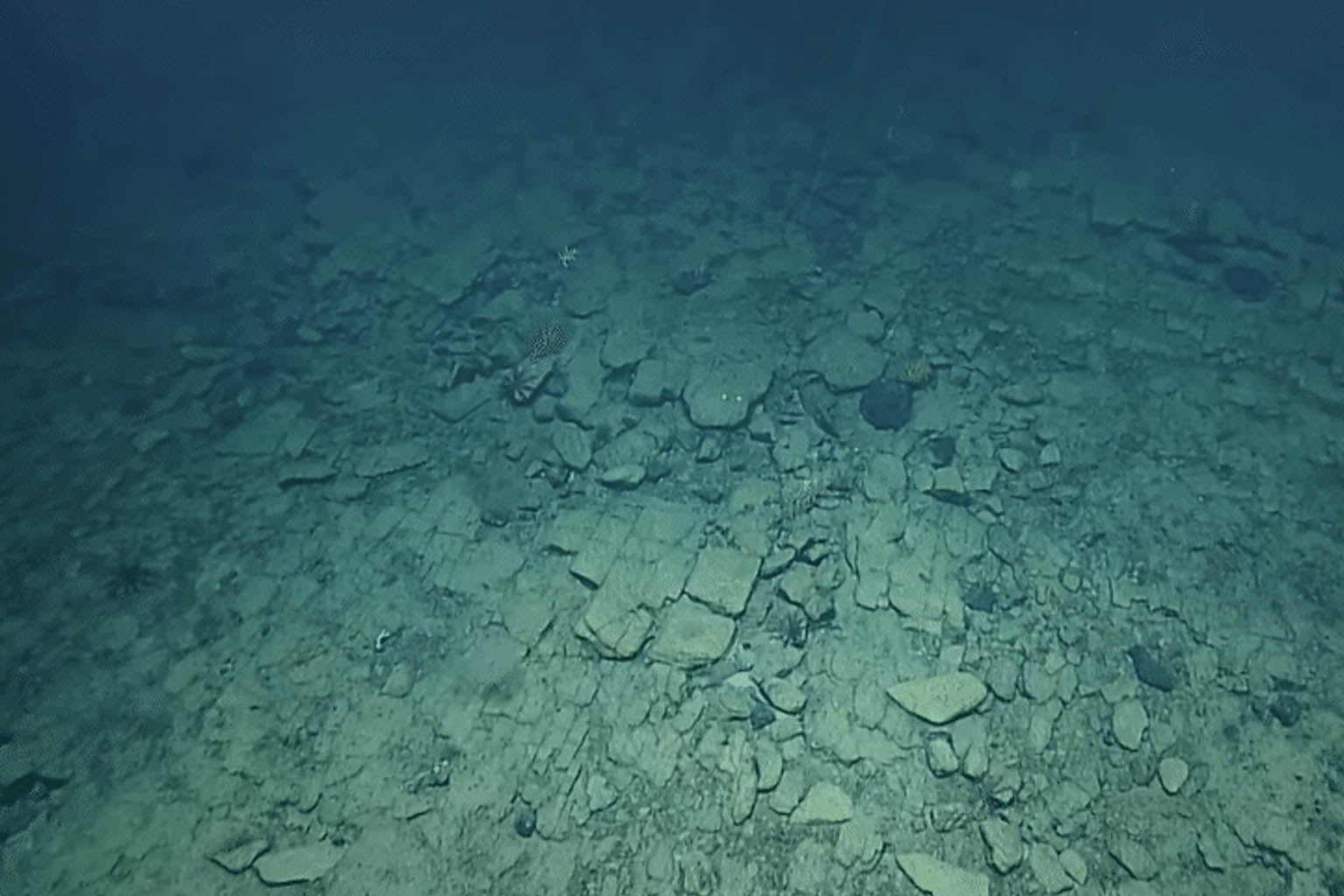
In the vast, unexplored depths of the Pacific Ocean, akin to something out of a fantasy novel, scientists have stumbled upon a geological oddity that’s turning heads—imagining a “yellow brick road” lying there, far beneath the waves. It’s a bizarre yet utterly fascinating find, uncovered by an adventurous team aboard the E/V Nautilus while traversing the waters of the Papahānaumokuākea Marine National Monument. You might have heard this monument referred to in Marine Biology circles; it’s precious, vast, and surprisingly, mostly uncharted—almost like our planet’s final frontier.
A Strange Discovery Beneath the Waves
It’s captivating how something that resembles human craftsmanship emerges naturally. This “road” is not man-made but rather the unusual result of natural volcanic processes. What the Nautilus team found was not a passage to some forgotten city but rather a stunning illusion on the ocean floor: dried volcanic rock crafted into near-perfect rectangular patterns, lying like a forgotten path. These formations are reminiscent of other legendary sites created by similar geological forces—the likes of the Giant’s Causeway and Devils Postpile might come to mind for some.
How do such formations come to be, you wonder? Well, it’s a tale of fire and water. It turns out, this curiosity is a creation of lava, sneaking its way into contact with water, cooling with rapid haste to form rock. Over ages, the interplay of fiery heat waves and harsh cold created stressed fractures, arranging the landscape into neat blocks. Columnar jointing, it’s called—a natural artistry leaving even seasoned geologists in admiration.
Unmasking the “Yellow Brick Road”
To the untrained eye, it may seem like this seafloor oddity is paving a path to a sunken civilization or a forgotten piece of history. In reality, as thoroughly mentioned in the Ocean Exploration Trust’s study, the story begins with volcanic eruptions. As per a comprehensive study detailed by the Oceanography journal, these eruptions occurred eons ago, continually shaping the underwater landscape.
Unlike a fairy tale made of bricks and gold, these are pieces of hyaloclastite—volcanic glass broken by the sea’s icy embrace. And yes, it’s quite the science lesson wrapped in wonder. Over time, the stresses from these evaporating heat fronts and sudden cooling helped these quick-cooling rocks grow into blocky forms. Over millennia, these fragmented rock surfaces began to bear an eerie resemblance to meticulously laid paving stones—just the thing to spark the imagination of discoverers and onlookers alike.
A Mission of Discovery and Mapping
The E/V Nautilus’s journey isn’t just about whimsical geological finds. It’s part of a crucial mission to map and catalog the Pacific Ocean’s mysterious depths. Most of the Papahānaumokuākea’s ocean floor is still a blank canvas, yearning for discovery. This is more than a scientific endeavor; it’s almost like mapping the stars or exploring a new continent. With less than 3% of its seafloor detailed, the area holds secrets of Earth’s formation—stories yet untold.
Interestingly, these explorations are part of larger efforts, spearheaded by experts like Christopher Kelley and Emil Petruncio. They’ve set the groundwork using advanced sonar and remote-operated vehicles. As they unlock geological mysteries beneath the ocean, they shed light on the history of volcanic arcs and marine life—the kinds that often choose volcanic outcrops for their homes.
Why It Matters
But why should this discovery matter to anyone beyond geologists? This so-called “yellow brick road” offers unsuspected revelations about deep-sea geology and volcanism. Understanding these formations can tell us much about how oceanic crusts form, evolve, and the nature of volcanic island chains under the deep. The phenomena of fast-cooling lava and fracturing could teach us about the broader tectonic processes at play.
Furthermore, such discoveries provide insights into deep-sea ecosystems. Hyaloclastite deposits, in particular, play a vital role in trapping gases and heat, catalyzing hydrothermal systems that support unique marine life, akin to those fascinating ecosystems around Yellowstone’s geothermal features.
If this discovery leaves you curious about underwater phenomena or yearning for more knowledge about Earth’s extensive underwater landscapes, you might find the next research stages even more fascinating. It’s not just about pretty patterns under the sea; it’s about unearthing the powerful natural processes that have quietly defined the world beneath the waves.
Anyway, whether you’re a fan of geology or just someone with a love for the mysterious, the message is clear: our oceans still have secrets to reveal. Keep your eyes open, perhaps the next ‘yellow brick road’ is hiding somewhere deep beneath the surface, waiting for its story to be told.
Feel free to share your thoughts or ask more about underwater wonders. Who knows, your next conversation might just dive a little deeper!