


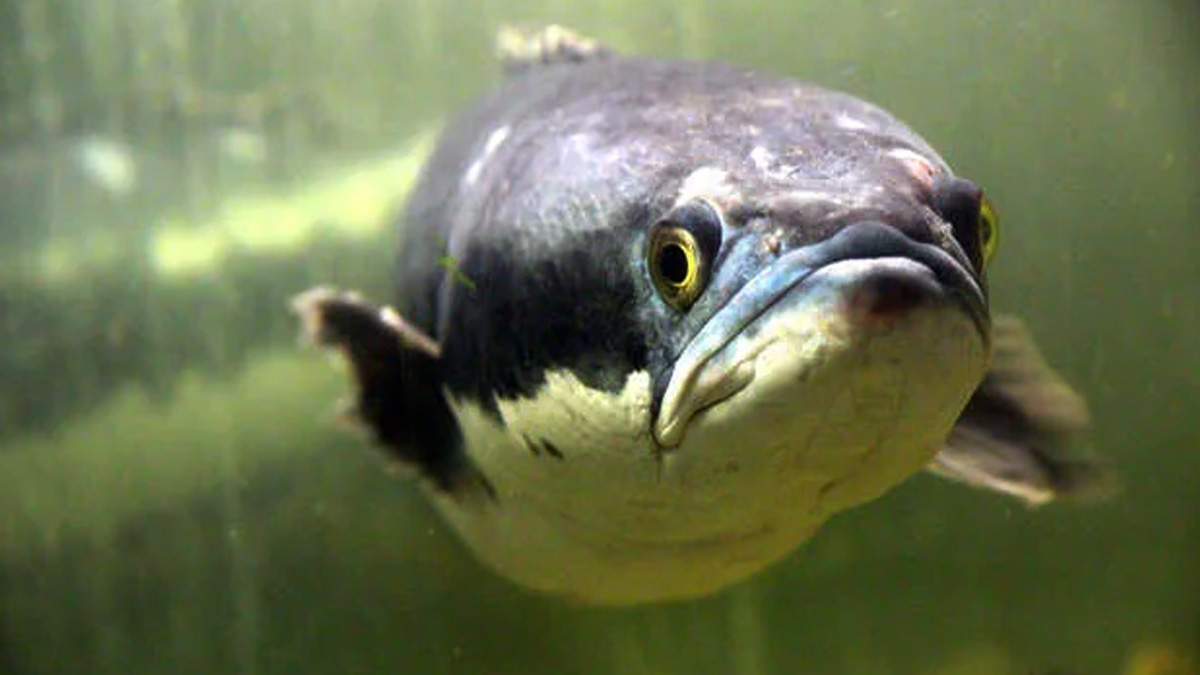
Imagine a shadowy river predator slipping through mountain streams unseen for nearly a century, only to suddenly reemerge and rewrite what scientists thought they knew about biodiversity in the Himalayas. This is the remarkable story of the Chel snakehead (Channa amphibeus), a giant freshwater fish believed extinct since 1933, which has now been rediscovered in India’s remote Chel River.
For 85 years, this vibrant predator with its bright green scales streaked with yellow was absent from scientific records—until a breakthrough expedition in 2024 changed everything. The rediscovery not only highlights the enduring mystery of nature’s hidden corners but also underscores the crucial role of indigenous knowledge in modern conservation efforts.
The astonishing comeback of the Chel snakehead
Between 1918 and 1933, sightings of the Chel snakehead were sporadic, documented by ichthyologists working near Kalimpong, West Bengal. Then, with no concrete evidence or fresh specimens, the species quietly slipped into obscurity. The assumption was that it had vanished from its habitat.
That assumption was shattered when a dedicated team of researchers, led by field conservationists collaborating closely with local communities, caught three live individuals of this elusive freshwater predator in 2024. These fish revealed the distinct features remembered by those who studied them decades ago—a rarity in wildlife rediscoveries.
The peer-reviewed study published in Zootaxa confirms the species’ identity through detailed morphological analysis and DNA testing, providing definitive proof that this apex river predator still thrives, quietly persevering in one of Earth’s most biodiverse but vulnerable ecosystems.
How indigenous wisdom cracked an 85-year-old mystery
What makes this rediscovery especially illuminating is the vital role played by local tribal knowledge. The research team, realizing the limits of conventional field methods, turned to indigenous communities for insight. Interviews with villagers revealed descriptions of a large, colorful river fish regularly caught and eaten—a fish that matched the elusive Chel snakehead perfectly.
As wildlife biologist Forrest Galante, who worked alongside these communities, explained, “We knew local tribes were eating something unusual, which became a crucial lead.” This collaboration between scientists and local people demonstrates how traditional ecological knowledge can fill gaps left by decades of scientific oversight.
Such cooperation emphasizes that sometimes, science misses what tradition quietly preserves. The rediscovery thus stands as a testament to integrating cultural knowledge with scientific methodology for enhanced conservation outcomes.
A warning sign for freshwater ecosystems worldwide
The Chel snakehead’s survival is a bright spot amid a somber global trend: the rapid degradation of freshwater environments. Rivers and wetlands—incredibly rich in biodiversity—face mounting threats from urban development, damming, pollution, and invasive species. These pressures often push native species toward extinction before we even know of their existence.
According to the International Union for Conservation of Nature (IUCN), freshwater ecosystems cover less than 1% of Earth’s surface but support about 10% of all known species. The Chel River itself is vulnerable to land-use changes, water extraction, and invasive competitors that may jeopardize the newly confirmed Chel snakehead population.
Tejas Thackeray, founder of the Thackeray Wildlife Foundation and a key figure behind the rediscovery, warns that “ongoing exploration and conservation efforts are essential to protect these fragile populations.” This sentiment aligns with wider scientific consensus emphasizing the urgency of conserving freshwater habitats to preserve global biodiversity.
What the Chel snakehead teaches us about biodiversity and conservation
The astonishing reappearance of Channa amphibeus challenges assumptions about extinction and resilience. It reminds us that species thought lost can persist under the radar, enduring in isolated niches. Their discovery becomes a beacon of hope, encouraging scientists to look beyond the conventional and incorporate local ecological insights more deeply into research.
For conservationists and biologists alike, this case underscores how vital it is to bridge gaps between traditional knowledge systems and scientific inquiry. It also raises public awareness about the hidden wonders—and vulnerabilities—of freshwater biodiversity.
“The endurance of biodiversity, even in species once considered lost forever, emphasizes the importance of ongoing exploration,” Dr. Thackeray explained during the research presentation.
Inspired by these findings, global efforts to monitor and protect freshwater species are increasingly turning to collaborative models that empower indigenous communities while employing advanced scientific tools.
If this incredible story of the Chel snakehead’s survival resonates with you, we invite you to share your thoughts, stories, or questions below. How else can science and tradition work together to safeguard our planet’s biological treasures? Join the conversation and help spread the word about the wonders hiding in our rivers.