


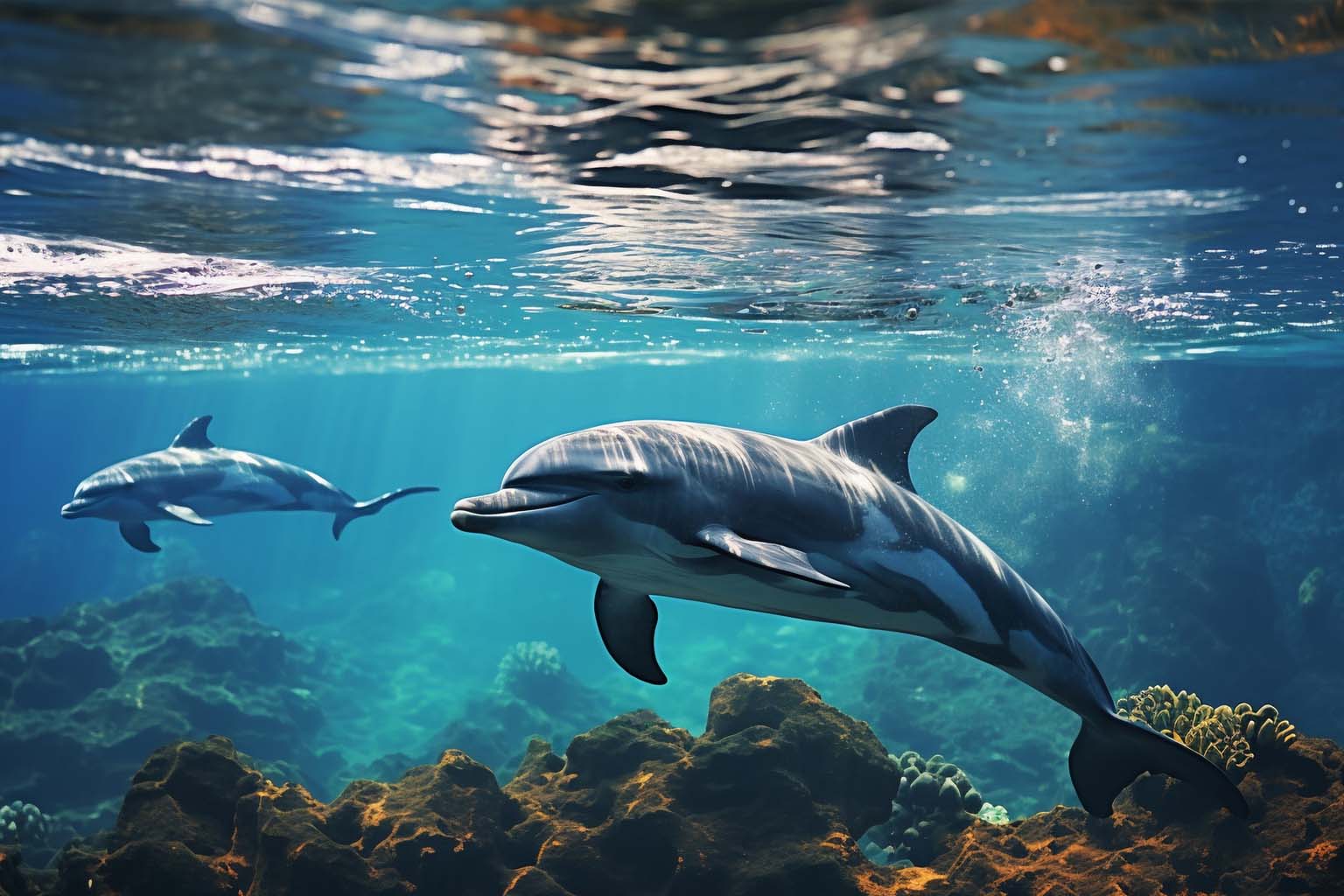
For decades, India’s river dolphins swam through muddy waters while conservationists worked with incomplete data and educated guesses. The country’s freshwater ecosystems harbored one of the world’s most endangered aquatic mammals, yet no one knew exactly how many remained or where they thrived. This knowledge gap has finally closed with India’s first comprehensive river dolphin survey, revealing 6,327 individuals scattered across eight states and 28 river systems.
The findings paint a complex picture of survival and vulnerability. While the numbers exceed some earlier estimates, they also expose the precarious state of these ancient creatures. The survey covered 8,507 kilometers of waterways, from the mighty Ganges to smaller tributaries, creating the most detailed snapshot ever captured of India’s freshwater dolphin populations.
This baseline data arrives at a critical moment. River systems across India face mounting pressure from industrial development, agricultural runoff, and urban expansion. The survey results don’t just count dolphins—they map the health of entire aquatic ecosystems that millions of people depend on for water, food, and livelihoods. Similar conservation success stories, like the harpy eagle comeback in the Lacandon Jungle, demonstrate that targeted conservation efforts can yield remarkable results for endangered species.
Geographic Distribution Reveals Population Strongholds
The survey uncovered significant regional variations in dolphin populations, with Uttar Pradesh leading with 2,397 individuals, followed closely by Bihar’s 2,220 dolphins. West Bengal contributed 815 to the count, while Assam recorded 635. These numbers reflect both habitat quality and the effectiveness of local conservation efforts.
The concentration in northern states aligns with the Ganges river system’s natural flow patterns, but it also highlights concerning gaps. States like Jharkhand recorded only 162 dolphins, while Rajasthan and Madhya Pradesh each counted 95 individuals. Most alarming was Punjab’s count of just three Indus river dolphins in the Beas River, representing what may be the final remnant of this subspecies in Indian waters.
These distribution patterns tell a story of habitat fragmentation and ecosystem stress. Rivers that once supported larger populations now maintain smaller, isolated groups that face increased vulnerability to environmental changes and human interference.
Conservation Challenges Beyond Population Counts
The survey data reveals troubling trends when compared to historical estimates. Research published in conservation biology journals suggests that Ganges river dolphin populations numbered between 4,000 and 5,000 individuals at the end of the 20th century, dropping to around 1,800 at their lowest point. While current numbers show recovery, they remain far below historical levels.
“The Ganges river dolphin faces multiple anthropogenic threats including habitat degradation, pollution, and direct mortality from fishing activities” – Conservation Biology Research
Human activities continue to pose significant threats. Since 1980, at least 500 recorded dolphin deaths have resulted from bycatch and intentional killings. Fishermen sometimes view dolphins as competitors for fish stocks, leading to direct conflicts. Industrial pollution and agricultural runoff create toxic conditions that affect both dolphins and their prey species.
The government has responded with the Comprehensive Action Plan (2022-2047), designating the Chambal River as a Dolphin Conservation Zone. These measures represent important steps, but implementation across multiple state jurisdictions presents ongoing coordination challenges.
Scientific Breakthroughs in Dolphin Research
December 2024 marked a watershed moment when researchers successfully satellite-tagged a Ganges river dolphin in Assam for the first time. This technological breakthrough promises to unlock secrets about dolphin behavior that have puzzled scientists for generations. Understanding movement patterns, breeding cycles, and habitat preferences will enable more targeted conservation strategies.
Previous research identified that dolphins prefer confluences, meanders, and mid-channel islands, but detailed behavioral data remained scarce. The satellite tagging initiative, conducted under Project Dolphin, represents India’s commitment to evidence-based conservation approaches. This technology will provide real-time insights into how dolphins navigate seasonal changes, water level fluctuations, and human disturbances.
The research extends beyond dolphins to other endangered species. India recently tagged 12 Great Indian Bustards, demonstrating a broader scientific approach to wildlife conservation that relies on data-driven decision making rather than assumptions. Modern technology continues to revolutionize our understanding of ancient species, much like how LiDAR technology revealed 5,000-year-old fortifications in Romania.
The Often Overlooked Ecosystem Implications
River dolphins function as umbrella species—their conservation automatically protects entire aquatic ecosystems and countless other species. This ecological role extends far beyond their charismatic appeal to tourists and wildlife enthusiasts. Healthy dolphin populations indicate clean water, abundant fish stocks, and functioning river ecosystems that support human communities.
According to habitat suitability studies published in ecological indicators research, multi-modelling approaches are essential for prioritizing conservation efforts across different river stretches. The psychological impact on local communities often gets overlooked in conservation discussions. Many riverside communities have cultural and spiritual connections to dolphins that span generations. When dolphin populations decline, these communities lose more than wildlife—they lose part of their cultural identity and traditional knowledge systems.
“Habitat suitability modeling reveals that river dolphins require specific environmental conditions including adequate water depth, low pollution levels, and minimal boat traffic” – Ecological Research Studies
Economic implications also deserve attention. Healthy river ecosystems support fishing industries, agriculture, and emerging eco-tourism sectors. The survey data provides a foundation for developing sustainable tourism initiatives that could generate income for local communities while funding conservation efforts. This approach transforms dolphins from perceived competitors into economic assets that communities have incentives to protect.
Understanding these complex relationships between species and their environments requires sophisticated mapping techniques, similar to how researchers have analyzed 20,000-year-old cave etchings that reveal ancient topographical knowledge. Just as ancient peoples understood their landscapes intimately, modern conservation efforts must map the intricate connections between dolphins and their river habitats.
The survey results raise fundamental questions about India’s relationship with its river systems. Can industrial development and wildlife conservation coexist along the same waterways? The answer may determine not only the future of river dolphins but the health of aquatic ecosystems that hundreds of millions of people depend on for survival. These challenges mirror the complex relationships between different cultures and environments seen throughout history, from ancient Mesoamerican civilizations at Tikal to modern conservation efforts along India’s rivers.