


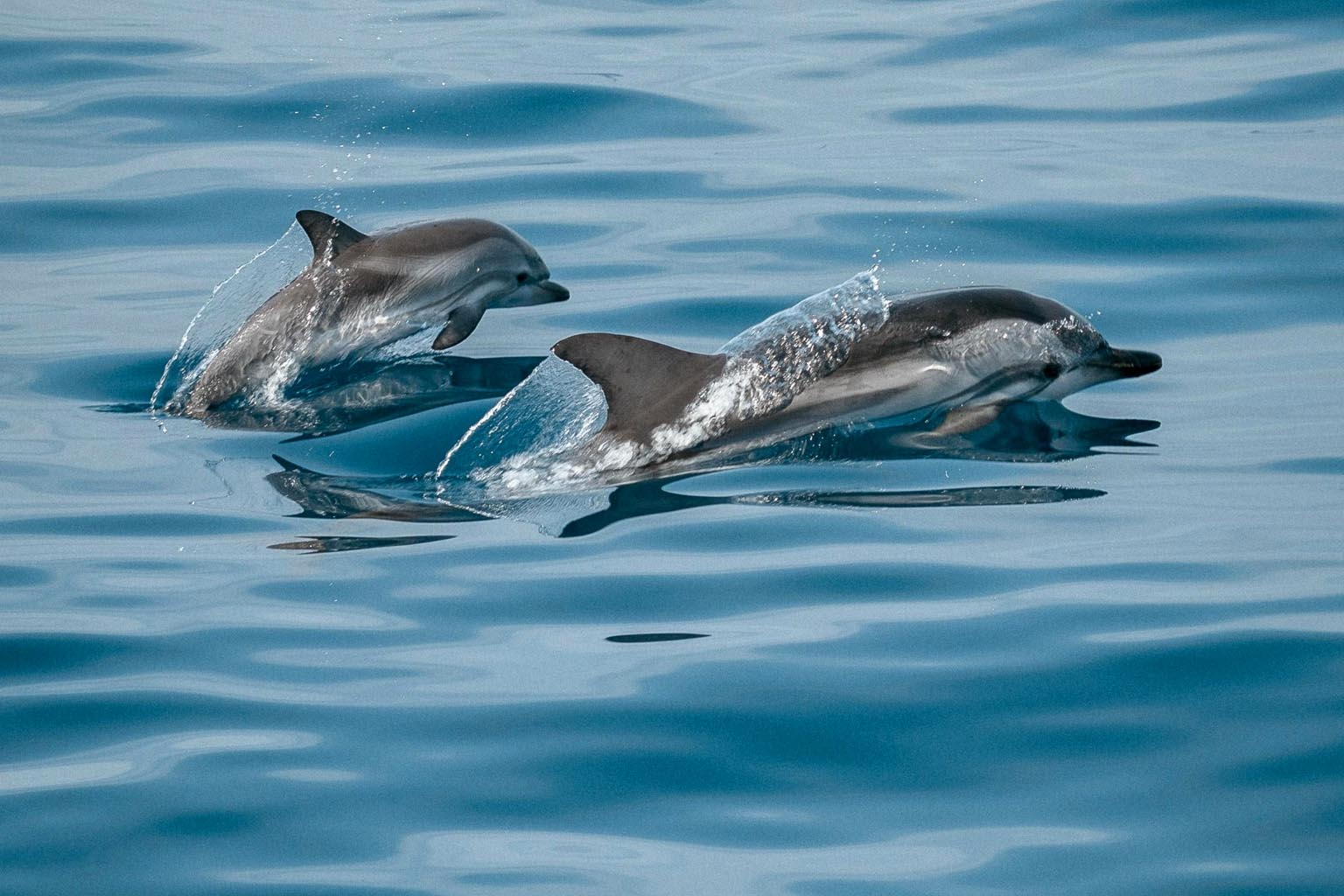
India’s first comprehensive river dolphin census has delivered both encouraging news and sobering realities. With 6,327 dolphins counted across eight states, the survey represents a monumental scientific undertaking that covered over 8,500 kilometers of river systems. Yet behind these numbers lies a conservation story marked by decades of habitat loss, pollution, and species decline.
The survey, conducted under Project Dolphin, focused primarily on two critically endangered species: the Ganges river dolphin and the Indus river dolphin. While the Ganges species accounted for 6,324 individuals, only three Indus river dolphins were found in the Beas River. This stark disparity illustrates how quickly freshwater species can slide toward extinction when their habitats become fragmented – much like how archaeological discoveries such as the 3,000-year-old fortress beneath Jerusalem reveal how civilizations can disappear from historical record.
The distribution patterns revealed by this census tell a complex story about India’s river ecosystems. Uttar Pradesh and Bihar emerged as strongholds, hosting nearly 75% of the documented population. This concentration reflects both the availability of suitable habitat and the persistent threats that have eliminated dolphins from other river systems entirely.
The Science Behind Population Recovery
The current population of 6,327 dolphins actually represents a remarkable recovery from catastrophic lows. Research published in PMC indicates that Ganges river dolphin numbers had plummeted to approximately 1,800 individuals at their lowest point, making the present count a testament to targeted conservation efforts.
“Population status assessments reveal that targeted conservation efforts have been crucial for the recovery of Ganges river dolphins from critically low numbers” – PMC Conservation Research
This recovery didn’t happen accidentally. The species benefits from legal protection under India’s Wildlife Protection Act, and dedicated conservation zones have been established along critical river stretches. The Chambal River Conservation Zone now serves as a designated Dolphin Conservation Zone, providing a model for habitat-focused protection strategies.
Studies have shown that river dolphins function as umbrella species, meaning their conservation creates protective benefits for entire aquatic ecosystems. Their presence indicates healthy river conditions, while their absence signals broader environmental degradation that affects countless other species – similar to how new crocodile species discoveries in the Caribbean reveal the importance of genetic research for wildlife protection.
Habitat Fragmentation and Modern Challenges
Despite population gains, the survey reveals concerning patterns of habitat fragmentation. Dolphins showed clear preferences for river confluences, meanders, and mid-channel islands – precisely the areas most vulnerable to human development and water management projects.
The situation becomes more complex when considering that India’s rivers serve multiple functions: transportation corridors, irrigation sources, industrial waterways, and urban waste disposal systems. Balancing these competing demands with dolphin conservation requires sophisticated planning that extends far beyond wildlife protection, employing advanced technologies similar to how LiDAR technology has revealed ancient Romanian defenses and their complex strategies.
Pollution remains a persistent threat, with industrial discharge and agricultural runoff creating toxic conditions that affect dolphin health and reproduction. The 500 recorded dolphin deaths since 1980, attributed to both accidental capture and intentional killing, highlight the ongoing human-wildlife conflicts in these shared waterways.
Advanced Tracking Technology and Behavioral Insights
December 2024 marked a breakthrough in dolphin research when India successfully satellite-tagged its first Ganges river dolphin in Assam. This technological milestone promises to unlock crucial data about movement patterns, habitat preferences, and breeding behavior that have remained largely mysterious.
Previous research has been limited to surface observations and stranded animal studies, providing incomplete pictures of dolphin ecology. Studies from ScienceDirect have shown that satellite tracking will reveal how these animals navigate between feeding areas, whether they maintain territories, and how human activities disrupt their natural behaviors.
“Winter congregation sites and habitat preferences of Gangetic river dolphins provide critical insights for conservation planning and population management” – ScienceDirect Research
The tagging program represents part of a broader scientific initiative that recently expanded to include 12 Great Indian Bustards, demonstrating India’s commitment to evidence-based conservation strategies for its most endangered species.
The Precarious Future of Freshwater Ecosystems
The three remaining Indus river dolphins in the Beas River represent more than just numbers on a conservation spreadsheet. They embody the fragility of freshwater ecosystems and the speed with which species can approach functional extinction.
Unlike marine environments, river systems offer limited options for species recovery once populations crash below critical thresholds. The Indus river dolphins’ confinement to a single river system leaves them vulnerable to any localized catastrophe – pollution events, extreme weather, or infrastructure development. This vulnerability mirrors how ancient settlements, like the 3,000-year-old village discovered beneath France, can disappear entirely when environmental or social pressures become overwhelming.
The comprehensive action plan spanning 2022-2047 acknowledges these realities, emphasizing habitat restoration alongside species protection. Yet success depends on coordination between multiple government levels, from local water management authorities to national environmental agencies.
This census provides a baseline, but the true measure of conservation success will emerge over the coming decades. River dolphins survived the industrial transformation of India’s waterways, adapted to increased boat traffic, and recovered from population crashes. Whether they can thrive in an era of climate change and intensifying development pressures remains an open question that will test both scientific understanding and political commitment to freshwater conservation.