


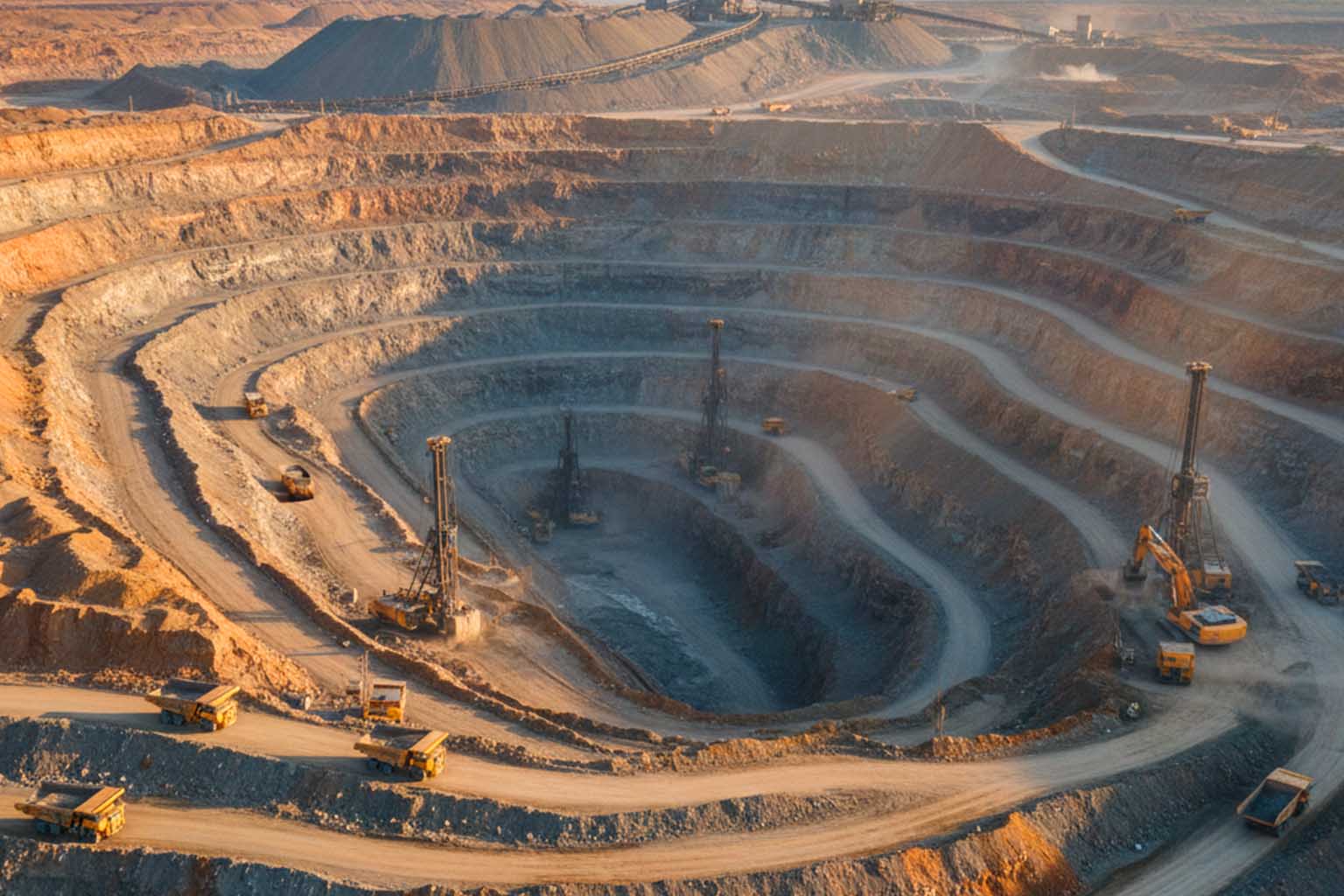
The discovery in Oregon might seem like something out of a sci-fi movie, but the reality is quite riveting. Nestled in the volcanic terrain of the McDermitt Caldera lies a lithium deposit that could be worth a mind-boggling **$1.5 trillion**. This finding could potentially catapult the United States to the forefront of the electric vehicle revolution. Yet, like any story with a significant twist, this one carries its share of controversies, especially among local communities.
A Game-Changing Find for the Battery Industry
Just imagine, somewhere on the Oregon-Nevada border, rests one of the **largest lithium deposits ever** discovered in America. This is the heart of the McDermitt Caldera. According to a study published in Minerals, it’s estimated that the caldera contains between 20 and 40 million metric tons of lithium. Such an enormous cache of a critical component for making electric vehicle (EV) batteries certainly feels like a game changer. The industry sees it as a promising step to decrease reliance on foreign lithium—a crucial move for a country yearning to lead the clean energy transition.
With electric vehicles fast becoming a staple of modern commuting, the demand for lithium is skyrocketing. Industry proponents are eagerly eyeing this domestic gold mine, optimistic that it can fulfill the rapidly surging demand. You could say this treasure trove could present the U.S. with a golden opportunity to secure its future in the **electric vehicle** market.
Environmental Concerns Cast a Shadow
But hold on a second. The anticipation isn’t universal. Enthusiastic as the discovery might be, there’s a growing chorus of concern about its environmental implications. The McDermitt Caldera supports a unique desert ecosystem, home to species like the sage-grouse and pronghorn antelope. These creatures depend heavily on their distinctive environment. Critics fear that the proposed large-scale lithium exploration could disrupt these habitats and threaten the well-being of these, and other, vulnerable species.
Imagine new roads snaking through a pristine landscape and drilling wells to examine deposits. Doesn’t sound too eco-friendly, right? Groups including the Sierra Club voice anxiety over the fast-tracked public comment period, which they feel hampers a thorough examination of long-term ecological implications. The stakes? Nothing less than the balance of a fragile ecosystem.
Sacred Lands at Risk
And then there’s the question of cultural significance. For several **Indigenous tribes**, the McDermitt Caldera isn’t just about economics or environmental concerns—it’s a sacred space. Tribal leaders fear that lithium extraction might imperil sacred grounds integral to their heritage and cultural rituals. This cultural dimension adds a whole new layer of complexity.
In conversations with media outlets, leaders emphasize that preserving cultural sites is just as critical as environmental health. They argue that any large-scale extraction project must integrate Indigenous voices into its planning to preemptively tackle potential cultural harm. It’s a tightrope walk for authorities, balancing interests between driving economic development and safeguarding cultural landmarks.
The Intricacies of Lithium Extraction
The mechanics of extracting lithium from this caldera are, in themselves, challenging. It’s not the easy-to-extract salt brine lithium typically found in regions like South America. Instead, it resides in tricky claystone. This requires sophisticated methods like acid leaching—a process brimming with concerns over waste, water contamination, and environmental impact. With extraction being water-heavy, local water sources could feel the squeeze—a poignant concern in an already environmentally stressed region.
However, advocates for modern technology say there’s hope. With carefully devised plans and responsible technologies, some believe the environmental impact could be controlled. Sammy Castonguay, a geologist at Treasure Valley Community College, underscores the importance of sensibly navigating these waters. “This feature is 16 million years old, and we’re making decisions in a matter of years,” he observes, capturing the essence of balancing urgency with caution.
As discussions shape the future of McDermitt Caldera’s deposit, the **conversation continues**: It’s a precious opportunity for sustainable energy versus a potential flashpoint for environmental and cultural discord.
Let’s keep talking. It’s an evolving dialogue that might very well reshape our future, one electric vehicle at a time. What are your thoughts? Share your perspective or insights below.