


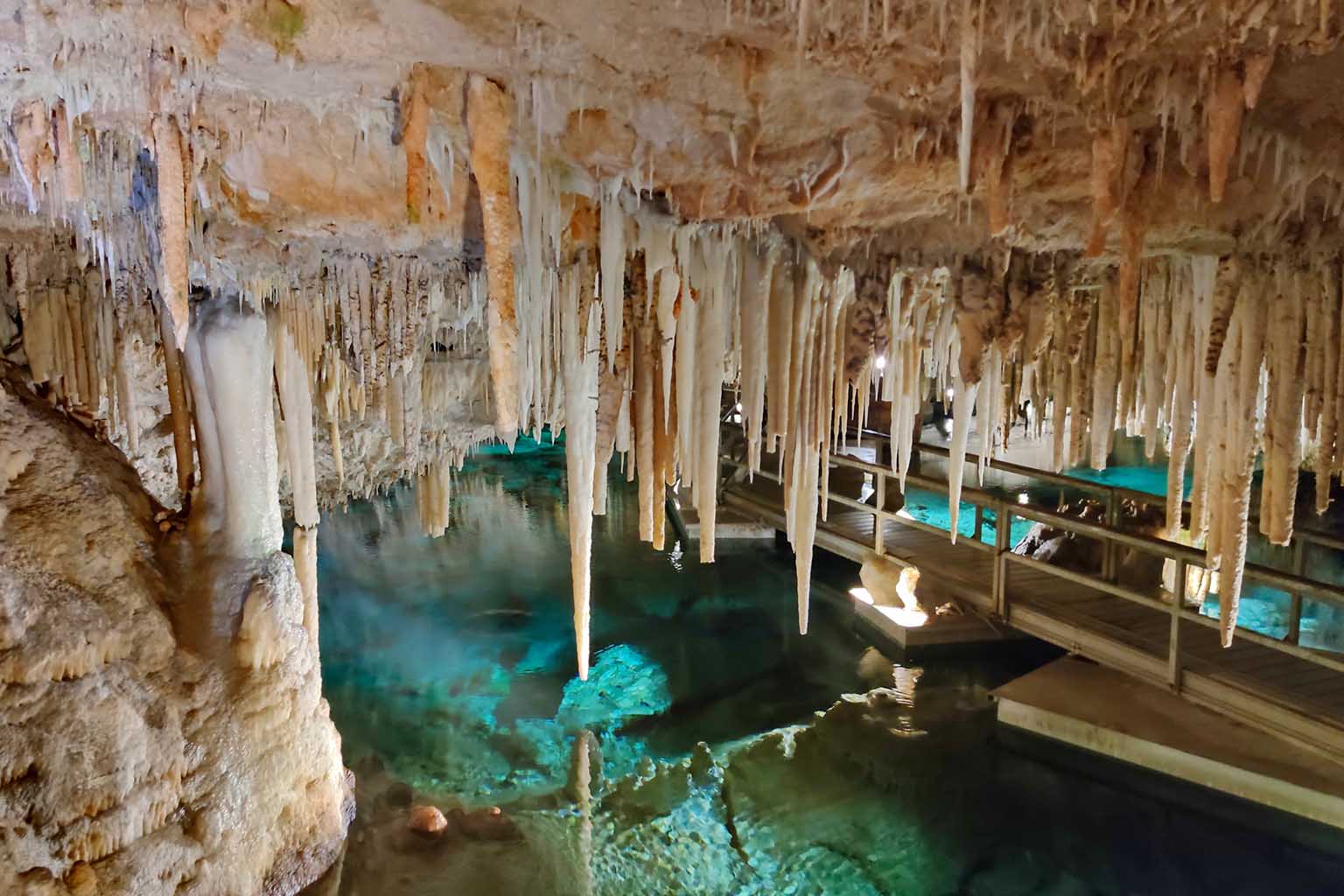
Deep beneath Bermuda’s picturesque surface lies a world few have seen: labyrinthine caves sheltering ancient and unusual lifeforms. When a group of explorers ventured into one such cave, they uncovered a strange, translucent creature that challenges what we know about underground ecosystems and evolution.
This remarkable discovery—the identification of a new species of crustacean—opens a window into Bermuda’s hidden biodiversity and raises urgent questions about protecting these fragile subterranean environments.
An Extraordinary Discovery in Bermuda’s Hidden Depths
In 2016, researchers collected a tiny, transparent crustacean from a tidal pool deep within Roadside Cave, a limestone cave located in Bermuda’s Walsingham District. Named Tetragoniceps bermudensis, this newly identified copepod species amazed scientists by being the first cave-dwelling member of its genus ever documented worldwide, and only the second in its entire family. The findings were formally published on May 20, 2025, in the peer-reviewed journal ZooKeys, led by Giovanni Mussini of the University of Cambridge.
What makes this discovery especially fascinating is the copepod’s evolutionary significance. Living in an oxygen-poor, dark environment shaped by constant tidal flows, Tetragoniceps bermudensis exhibits unique adaptations such as elongated tail appendages (caudal rami) that are about ten times longer than they are wide. Such specialized traits reflect millions of years of isolation—a living evolutionary relic that survived while relatives faded from surface waters.
Bermuda’s Caves: Rare Biodiversity Hotspots
Bermuda’s cave systems are not just geological curiosities—they are biological treasure troves. Carved over millennia through limestone and constantly influenced by tidal waters, these caves harbor a diversity of lifeforms found nowhere else on Earth. Copepods like Tetragoniceps bermudensis play essential roles in aquatic food webs, sustaining various organisms in these secluded water bodies.
Giovanni Mussini highlights that “Despite Bermuda’s reputation as a well-explored island, its subterranean biodiversity remains mostly hidden and largely unexplored.” The discovery flips the common assumption that urbanized or densely inhabited places offer limited opportunities for uncovering new species. Instead, it illustrates nature’s resilience, often thriving in seemingly inaccessible environments.
The isolated conditions within these caves create stable environments that allow ancient lineages to flourish, but they also make the species uniquely vulnerable to changes in their surroundings. The rich tapestry of life beneath Bermuda’s surface remains fragile and urgently in need of thorough scientific investigation and conservation.
Protecting a Delicate Underworld
The excitement surrounding Tetragoniceps bermudensis comes with a somber message. Bermuda’s caves face increasing threats from urban expansion, pollution, and human intrusion. Roadside Cave, the habitat of this new copepod, is particularly vulnerable.
Unlike oceanic species that might roam vast distances, cave species often exist in isolated, small populations. The fact that only one egg-carrying female was found so far signals a rarity that raises alarms about the species’ sustainability. The precise population size and distribution remain unknown, heightening concerns about the risk of extinction before full scientific understanding can be achieved.
Experts now call for urgent protective measures. Mussini and fellow researchers urge Bermuda’s policymakers to designate caves like Roadside as protected environments. Without these legal safeguards, activities such as waste dumping and unregulated tourism could irreparably damage the delicate cave ecosystem and its unique inhabitants.
Why This Discovery Matters for Global Biodiversity
Discoveries like Tetragoniceps bermudensis remind us that vast frontiers of biodiversity remain hidden beneath the surface, even in well-studied regions. According to the National Geographic Society, subterranean waters worldwide are hotspots for undiscovered species, crucial for maintaining ecological balance.
The preservation of such ecosystems offers more than scientific insight; it also informs climate resilience and habitat conservation strategies. Protecting isolated cave systems helps safeguard evolutionary legacies and supports broader environmental health—benefiting humans and wildlife alike.
This finding is a testament to the enduring puzzle of nature and the ever-present need to explore, understand, and protect our planet’s most hidden wonders.
What do you think about these mysterious cave creatures and their fragile habitats? Share your thoughts or questions below, and help spread awareness about the incredible biodiversity thriving just beneath our feet.