


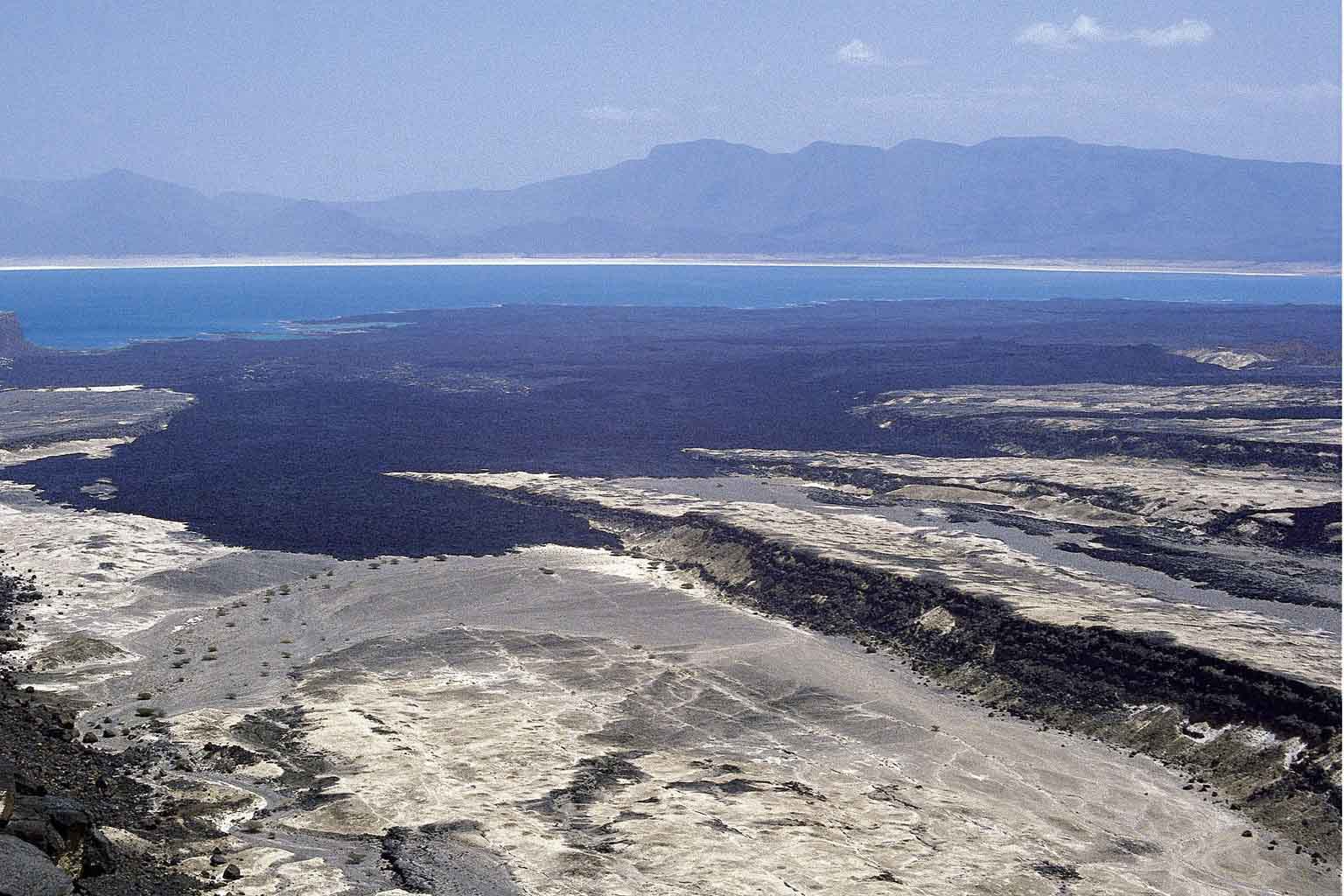
Imagine a vast new ocean quietly taking shape beneath the African sun—an ocean that could redefine a continent’s future. Far from the bustle of daily life, tectonic forces are at work, reshaping the Earth in ways that will echo for millions of years. This is not science fiction; it’s the unfolding story of the East African Rift, where Earth’s sixth ocean is gradually coming into existence.
The emergence of Earth’s sixth ocean
Stretching for thousands of miles, the East African Rift System is a colossal geological scar where the continent is slowly splitting apart. Scientists have confirmed that this rift, especially prominent in Ethiopia’s deserts, signals the birth of a new ocean—Earth’s sixth. Since 2005, a remarkable 35-mile-long crack has been steadily widening, a slow dance orchestrated by the motion of tectonic plates beneath the surface.
The process involves the gradual separation of three major plates: the African, Somali, and Arabian plates. With movements measured in mere millimeters per year, the plates are pulling apart, causing valleys to sink and eventually opening pathways for water from the Red Sea and the Gulf of Aden to flood the rift valley. This phenomenon echoes ancient continental drift patterns that shaped our planet’s past, such as when South America and Africa slowly diverged millions of years ago.
How tectonic plates shape our planet
Tectonic plates are massive slabs of Earth’s crust that glide atop the planet’s molten mantle, driving much of its geological activity. The African continent itself owes much of its structure to these slow but powerful movements. The Somali plate’s separation from the Nubian plate is a testament to this ongoing evolution—one that scientists like Ken Macdonald, a marine geophysicist at the University of California, describe as a “gradual separation leading to a new ocean.”
As these plates move apart, the Rift Valley sinks lower and lower. Eventually, experts predict water will flood in, carving out a new marine basin. This underlines the dynamic nature of Earth’s surface and the timescales over which significant geographical change can occur, even if imperceptible in a human lifetime. This insight is supported by a NASA report that maps the gradual drifting of plates and tracks how the landscape is actively morphing.
The ripple effects for Africa and the world
The consequences of this tectonic marvel extend well beyond geology. As the East African Rift widens and the new ocean forms, it could fundamentally reshape the physical and economic landscape of Africa. Countries like Ethiopia and Uganda, traditionally landlocked, might find new coastlines opening trade and economic doors that were previously closed.
Imagine new ports, shipping routes, and maritime hubs transforming East Africa into a vital player in global commerce. This prospect offers hope for enhanced economic development in a region that has faced many challenges, including access to global markets. Such changes will not just redraw maps—they may redefine political boundaries and boost economic prospects across the continent.
Marine geophysicist Ken Macdonald highlights this future, noting, “The Gulf of Aden and the Red Sea will overflow into the East African Rift Valley, forming a new ocean. This shift will turn part of East Africa into a separate small continent, changing the game entirely.”
The significance of the East African Rift for science and society
The East African Rift is more than a geological curiosity; it offers a real-time window into the Earth’s ever-changing face. This region’s slow but steady transformation teaches us about the planet’s past and future, reminding us that Earth is a living, breathing entity shaped by deep natural forces.
For scientists, studying these changes helps improve our understanding of tectonic activity and the resulting environmental impact. People living in this area may eventually experience a vastly different landscape, including new coastlines and ecosystems. It’s a reminder that what seems static today is actually part of an ongoing natural process that builds and reshapes continents.
As this staggering natural event progresses, it invites all of us to watch and reflect on Earth’s magnificent, ever-evolving nature. How do you think this new ocean will reshape not only Africa but the world? Share your thoughts, questions, and insights below—let’s explore this extraordinary transformation together.