


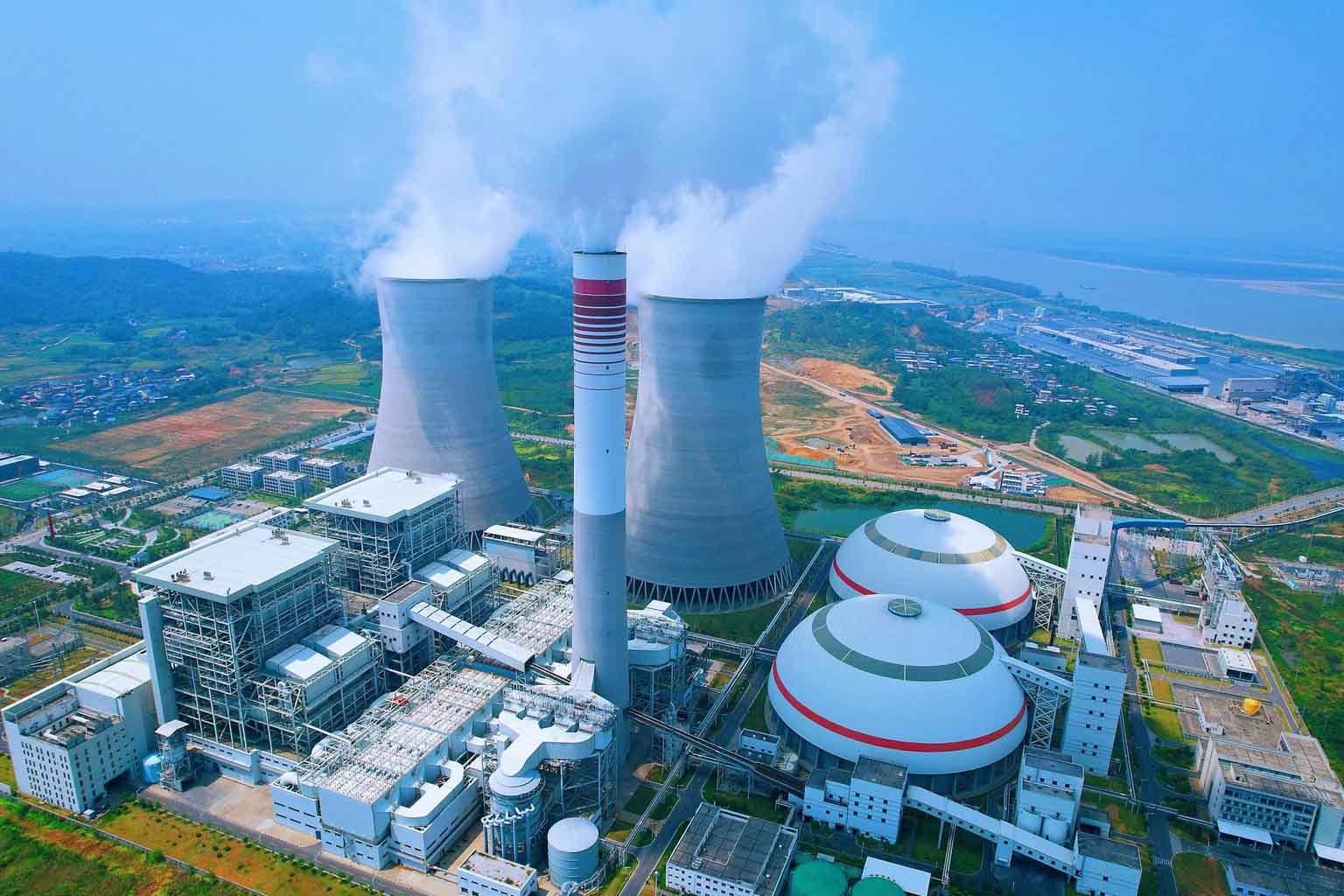
China has just taken a giant leap toward unlocking a virtually limitless source of clean and safe energy. Imagine a world where the energy that powers millions of homes and industries is not only abundant but also environmentally friendly and secure. This vision is fast becoming reality thanks to a groundbreaking achievement by Chinese scientists: converting thorium into uranium inside an experimental molten salt reactor.
The breakthrough that could change global energy
For the first time ever, researchers at the Shanghai Institute of Applied Physics (SINAP) have confirmed that their thorium-based molten salt reactor (TMSR-LF1) functions as intended. Nestled in the arid expanse of the Gobi Desert, this experimental reactor successfully transformed thorium—a relatively common and “fertile” metal—into uranium-233, which can sustain nuclear fission and generate power.
This dramatic progress is more than a technical milestone; it marks a potential turning point in the quest for an energy source that is safe, clean, and almost inexhaustible. China’s move revitalizes a technology abandoned by the U.S. decades ago during the Cold War, when the political climate favored nuclear reactors geared towards producing plutonium for weapons rather than thorium-powered reactors, which produce none.
According to Professor Yan Rui of SINAP, “small modular reactors like this one are expected to play a key role in the future global transition to cleaner energy.” For China—a country grappling with severe air pollution and heavy fossil fuel dependence—this innovation offers hope for energy independence and climate commitments.
How thorium transforms into a powerful fuel
To grasp the significance of China’s success, it’s worth understanding the science behind the thorium cycle. Thorium-232 itself can’t initiate the nuclear chain reactions necessary for sustained energy production. Instead, scientists “charge” the metal by bombarding it with neutrons, turning it into uranium-233. This irradiated uranium can then split atoms and unleash the energy needed to power a reactor.
The beauty lies in the abundance: thorium is widely available in Earth’s crust, and China’s vast reserves alone could potentially fuel the country for a thousand years. Unlike conventional reactors that rely on solid uranium fuel rods, this molten salt reactor dissolves thorium directly into a liquid fluoride salt that flows through the core. This design allows for a nearly complete use of the fuel’s energy potential, over 99% efficiency compared to less than 5% in traditional reactors.
This remarkable efficiency not only stretches fuel supplies but also reduces nuclear waste significantly.
Safety beyond what conventional reactors can offer
What truly sets China’s thorium molten salt reactor apart is its inherent safety features. Pressurized water reactors, which dominate the current energy landscape, operate at pressures 150 times that of the atmosphere, posing risks of explosions in incidents like Chernobyl. The molten salt reactor runs at atmospheric pressure, eliminating such hazards.
The reactor’s safety is also “passive” and physics-driven: a built-in “freeze plug” of solid salt acts as a fail-safe. In the event of overheating or power failure, this plug melts, allowing the liquid fuel to drain into secure underground containers where the reaction stops naturally, without human or electronic intervention. This simple yet elegant design drastically lowers the risk of accidents.
Moreover, thorium reactors generate far less long-lived nuclear waste—up to 1,000 times less than uranium reactors. Most byproducts have half-lives around 300 years, a manageable timeframe compared to the tens of thousands of years for conventional waste. This offers a serious solution to one of nuclear energy’s most persistent problems: safe disposal.
China’s strategic vision and global implications
China’s success didn’t come overnight. Since 2011, the country has poured billions into resurrecting and advancing this promising technology, a commitment shaped by its urgent energy needs and environmental pressures. While other nations focused on military applications of nuclear power, China bet on thorium’s promise for civilian energy use.
The 2-megawatt experimental reactor represents only the beginning. Ambitious plans are underway to build a 373-megawatt demonstration reactor by 2030, paving the way for commercial production. For a nation that burns more coal than the rest of the world combined, a clean, almost boundless energy source could be transformative—cutting dependence on oil, gas, and uranium imports and dramatically reducing carbon emissions.
If successful internationally, China’s thorium technology could become a game-changer in the fight against climate change. According to a 2023 report by the International Atomic Energy Agency (IAEA report), advanced reactors like molten salt ones could supply safe, reliable power to help meet global climate objectives.
China’s approach not only shows technological prowess but also reflects a long-term, strategic mindset—energy solutions designed to serve both people and the planet.
What do you think about this promising leap in clean energy? Could thorium molten salt reactors be the key to a sustainable global future? Feel free to share your thoughts, questions, or insights in the comments below — let’s get the conversation started!