


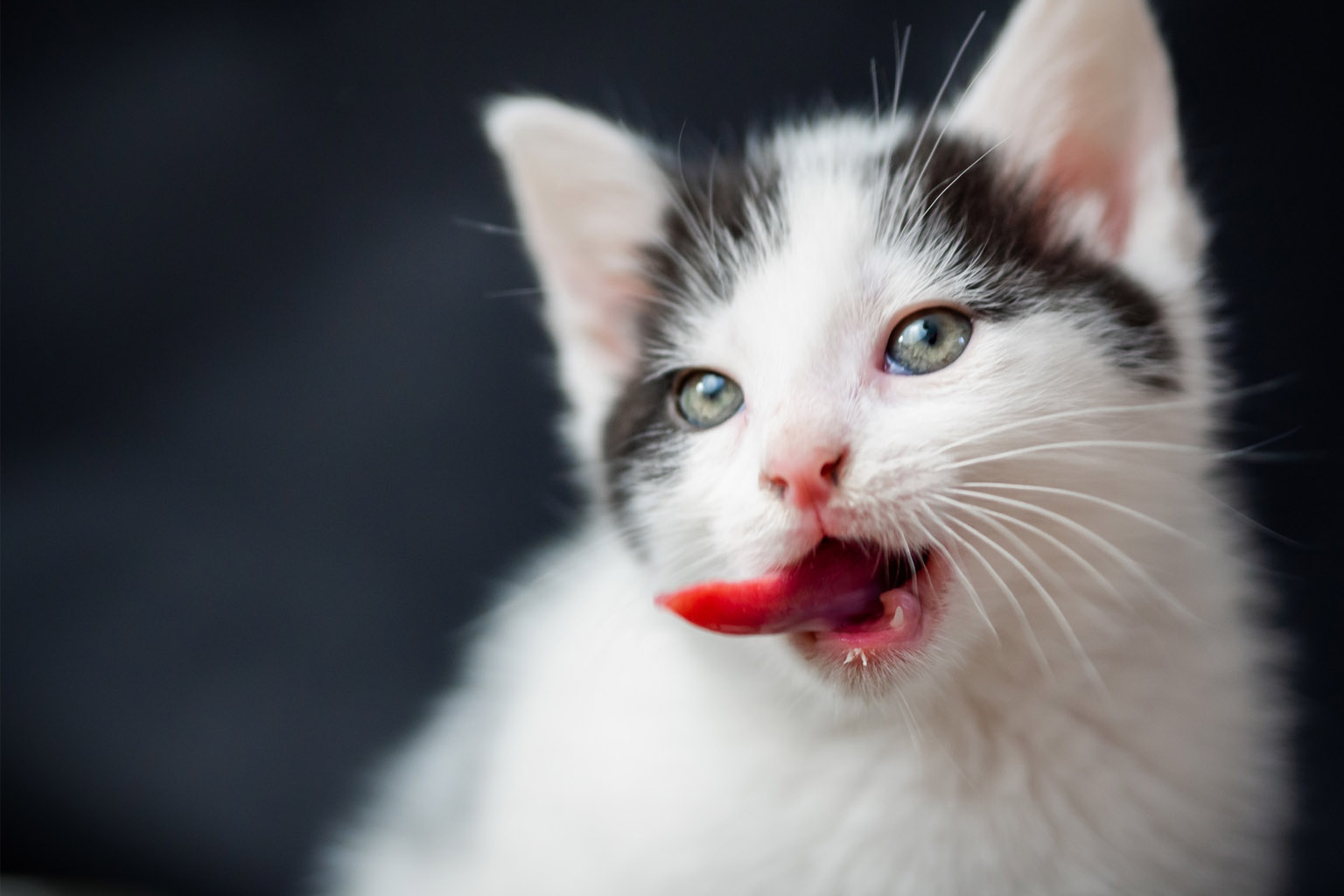
Most cat owners have witnessed this peculiar scene: their feline companion encounters an interesting scent, then freezes with mouth slightly agape, upper lip curled, wearing an expression that seems part confusion, part disgust. This isn’t your cat having an existential crisis or reacting negatively to an unpleasant odor. What you’re observing is actually one of nature’s most sophisticated chemical analysis systems in action.
This distinctive facial expression, known as the Flehmen response, represents a sensory superpower that most humans can barely comprehend. While we navigate the world primarily through sight and sound, cats possess an entirely separate olfactory system designed specifically to decode the invisible chemical messages that saturate their environment. These aren’t just smells in the traditional sense—they’re complex molecular signatures carrying detailed information about territory, reproductive status, emotional states, and social hierarchies.
The prevalence of this behavior suggests something profound about feline evolution and social structure. Every time your cat makes that strange face, they’re accessing a communication network that has existed for millions of years, one that operates completely below human awareness yet governs much of the natural world. Much like how we might overlook invisible creatures in our indoor environment, cats perceive chemical information that remains completely hidden from human senses.
The Science Behind the Strange Expression
The Flehmen response centers on a remarkable organ that most people have never heard of: the vomeronasal organ, also called Jacobson’s organ. Located in the roof of the mouth, this specialized structure functions as a secondary olfactory system entirely separate from the nose. When cats encounter pheromones—chemical signals produced by other animals—they need to direct these molecules to this organ for proper analysis.
According to research published in NCBI, the characteristic open-mouthed posture isn’t random; it creates a direct pathway for pheromone molecules to reach the vomeronasal organ. The information then travels to the amygdala and hypothalamus, brain regions controlling social behavior, reproductive instincts, and emotional responses. Studies demonstrate that this system processes chemical information in ways completely distinct from regular smell perception.
“Jacobson originally described the vomeronasal organ based mainly on domesticated animals, with cats showing particularly sophisticated flehmen responses to chemical cues” – NCBI Research
Unlike learned scent recognition, pheromone detection triggers instinctive behavioral responses. This explains why cats often display immediate behavioral changes after performing the Flehmen response—they’ve just received important biological intelligence about their environment.
Decoding the Chemical Language
Cats release pheromones from multiple specialized glands throughout their bodies, creating a complex communication system. Facial pheromones from cheek and chin glands mark objects as safe and familiar. Paw pad secretions deposited during scratching claim territory and provide ownership information. Anal gland pheromones convey detailed social and reproductive data that can persist in the environment for extended periods.
When your cat investigates these chemical signatures through the Flehmen response, they’re gathering intelligence about other cats’ presence, health status, reproductive condition, stress levels, and territorial claims. This territorial communication allows felines to assess social situations and make behavioral decisions without direct confrontation or even visual contact with other animals.
The sophistication of this communication network becomes apparent when you consider that cats can determine not just who was in a particular location, but when they were there and what their emotional and physical state was at the time. This creates a rich informational landscape invisible to humans but essential to feline social navigation.
Comparing Feline and Canine Olfactory Abilities
While dogs receive most attention for scent-related abilities, cats possess certain advantages in pheromone detection. Research from Felidae Fund indicates that felines have approximately three times as many receptor types in their vomeronasal organs compared to dogs. This specialization makes cats extraordinarily sensitive to chemical communication signals from other animals, particularly other felines.
Dogs excel at detecting diverse odors across wide areas—useful for tracking, hunting, and detection work. Cats, however, have evolved for precision analysis of social and territorial chemical information. Their Jacobson’s organ represents millions of years of evolutionary refinement for interpreting complex pheromonal messages that govern feline social structure.
“Research suggests that a damaged VNO organ can increase behavioral issues in cats, highlighting the critical importance of this chemical communication system” – Felidae Fund Research
This difference reflects distinct evolutionary pressures. Dogs developed as pack hunters requiring long-distance scent tracking, while cats evolved as primarily solitary territorial animals needing sophisticated chemical communication systems for social coordination without direct contact.
The overlooked behavioral implications
Most discussions of the Flehmen response focus on its mechanical aspects, but the behavioral consequences deserve greater attention. Cats performing this behavior often display subtle changes in demeanor, activity patterns, or territorial behavior immediately afterward. These shifts indicate that the chemical information they’ve processed carries significant behavioral weight.
Indoor cats may show more pronounced Flehmen responses to outdoor scents brought in on clothing or shoes, suggesting that environmental chemical information remains important even for cats with limited outdoor exposure. This raises questions about whether indoor environments provide sufficient chemical stimulation for natural feline behavior expression.
The stress-detection capabilities inherent in pheromone analysis also mean that cats can sense emotional states in other animals—including humans—in ways we don’t fully understand. This may partially explain cats’ sometimes uncanny ability to respond to their owners’ emotional states or detect illness before obvious symptoms appear. Just as humans might display subtle posture changes that reveal their emotional state, cats communicate through chemical signals that convey complex information about their internal condition.
The sophistication of feline chemical communication systems rivals even the most advanced technological achievements throughout history. While ancient civilizations created remarkable innovations like the mechanical dog from Ancient Egypt, nature has perfected biological communication systems that operate with precision we’re only beginning to understand.
Understanding the Flehmen response reveals just how much sensory information surrounds us constantly, processed by our feline companions but remaining completely outside human awareness. The next time you observe your cat making that peculiar expression, consider that you’re witnessing the operation of a biological communication system far more sophisticated than most human technology, one that continues to shape animal behavior in ways we’re only beginning to comprehend.