


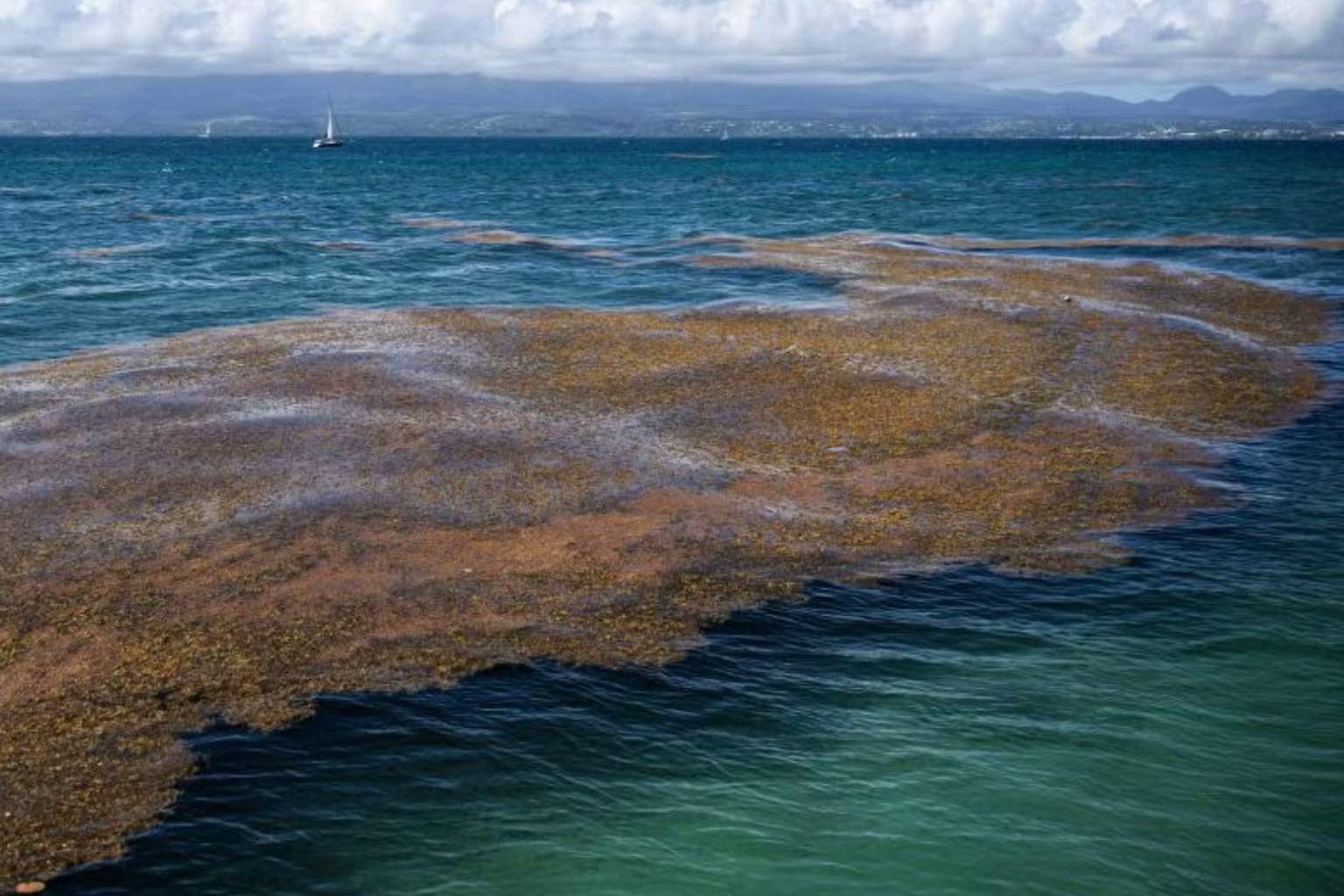
The ocean is changing in front of our eyes. Stretching over 5,468 miles, the Great Atlantic Sargassum Belt has transformed into an unprecedented phenomenon, stirring concern among scientists and coastal communities alike. What once was a modest cluster of seaweed confined to the Sargasso Sea has now ballooned into a colossal floating expanse visible even from space.
This massive growth of sargassum algae is not just a curious natural occurrence—it signals a shift in oceanic ecosystems and human impact on the environment. Let’s dive into what’s fueling this massive belt, why it matters, and what challenges lie ahead.
The rise of the Great Atlantic Sargassum Belt
Sargassum is a type of brown seaweed that naturally drifts on the ocean surface, providing vital habitats for more than 100 marine species, including turtles and fish. Historically, it was localized mainly around the Sargasso Sea, a region in the central Atlantic Ocean. However, this has dramatically changed in recent years.
Satellite monitoring from May 2025 captured approximately 37.5 million tons of sargassum stretching over 5,468 miles—more than twice the width of the continental United States—from the west coast of Africa all the way to the Gulf of Mexico. This extraordinary scale marks the Great Atlantic Sargassum Belt as one of the largest natural floating ecosystems ever recorded.
What’s driving this unprecedented growth?
Increased nutrient levels in the ocean have been identified as the main driver behind the explosive growth of sargassum. According to a study published in Harmful Algae by researchers from Florida Atlantic University Harbor Branch Oceanographic Institute, data spanning 40 years reveal that nitrogen content in algae increased by 55%, while phosphorus and nitrogen levels combined rose more than 50% between 1980 and 2020. These nutrients act like fertilizer, supercharging the growth of sargassum.
Human activities contribute heavily to this surge. Agricultural runoff loaded with fertilizers, untreated sewage, and industrial pollution introduce extra nutrients into rivers that eventually flow into the Atlantic. The Amazon River is a major player here, discharging nutrient-rich water during rainy seasons, which feeds sargassum blooms. When river flow diminishes during dry spells, the blooms slow down, suggesting a direct link between river discharges and algae proliferation.
This complex interplay between natural processes and anthropogenic impact underscores how human lifestyles are intricately tied to ecological shifts in the ocean.
From ecosystem boon to coastal burden
In balanced amounts, sargassum plays a crucial ecological role. The National Oceanic and Atmospheric Administration (NOAA) recognizes it as a floating habitat essential for marine biodiversity. It shelters tiny fish, sea turtles, and crab larvae, effectively supporting the marine food web.
But when sargassum accumulates excessively and washes ashore, it spells trouble. Massive influxes can damage delicate coastal ecosystems by blocking sunlight to seagrasses and coral reefs, releasing methane and other greenhouse gases as it decomposes, and blanketing beaches with rotting seaweed. For coastal residents in the Caribbean and Gulf of Mexico, these invasive tidal waves of sargassum disrupt daily life, laboring local economies reliant on tourism and fisheries.
The financial cost of clearing this seaweed runs into millions annually. Notably, in 1991, a sargassum blockade at a nuclear power plant in Florida forced a temporary shutdown because the algae clogged water intake systems, underscoring that the belt’s impact reaches critical infrastructure.
Managing a growing ocean challenge
Carried by ocean currents such as the Gulf Stream, the Great Atlantic Sargassum Belt is not just an environmental curiosity—it is a serious challenge demanding coordinated global action. Scientists warn that without improved pollution management, wastewater treatment, and advanced forecasting tools, the problem will worsen, endangering marine ecosystems and coastal livelihoods.
Dr. Lisa Nguyen, a marine biologist focusing on ocean health, explained in a 2024 study how “the nutrient overload from human sources is accelerating the sargassum blooms, posing long-term threats that ripple beyond the immediate ecological damage.” Her insights stress the urgency of reducing upstream pollution.
To give readers a clearer picture of this expanding belt, here is a detailed visual breakdown from NASA showing the extent of sargassum accumulation in the Atlantic in recent years:
This visualization emphasizes the scale and speed of growth, affirming why the scientific community treats this as a pressing environmental issue.
As researchers continue to monitor and study the Great Atlantic Sargassum Belt, one fact remains: the ocean’s balance is shifting beneath the waves, shaped by both natural forces and human influence. The path forward requires innovation, cooperation, and a commitment to protecting marine health before these floating forests turn from ecological havens into widespread hazards.
What are your thoughts on the Great Atlantic Sargassum Belt? Have you noticed its impact on beaches or marine life in your area? Share your experiences and join the conversation below!