


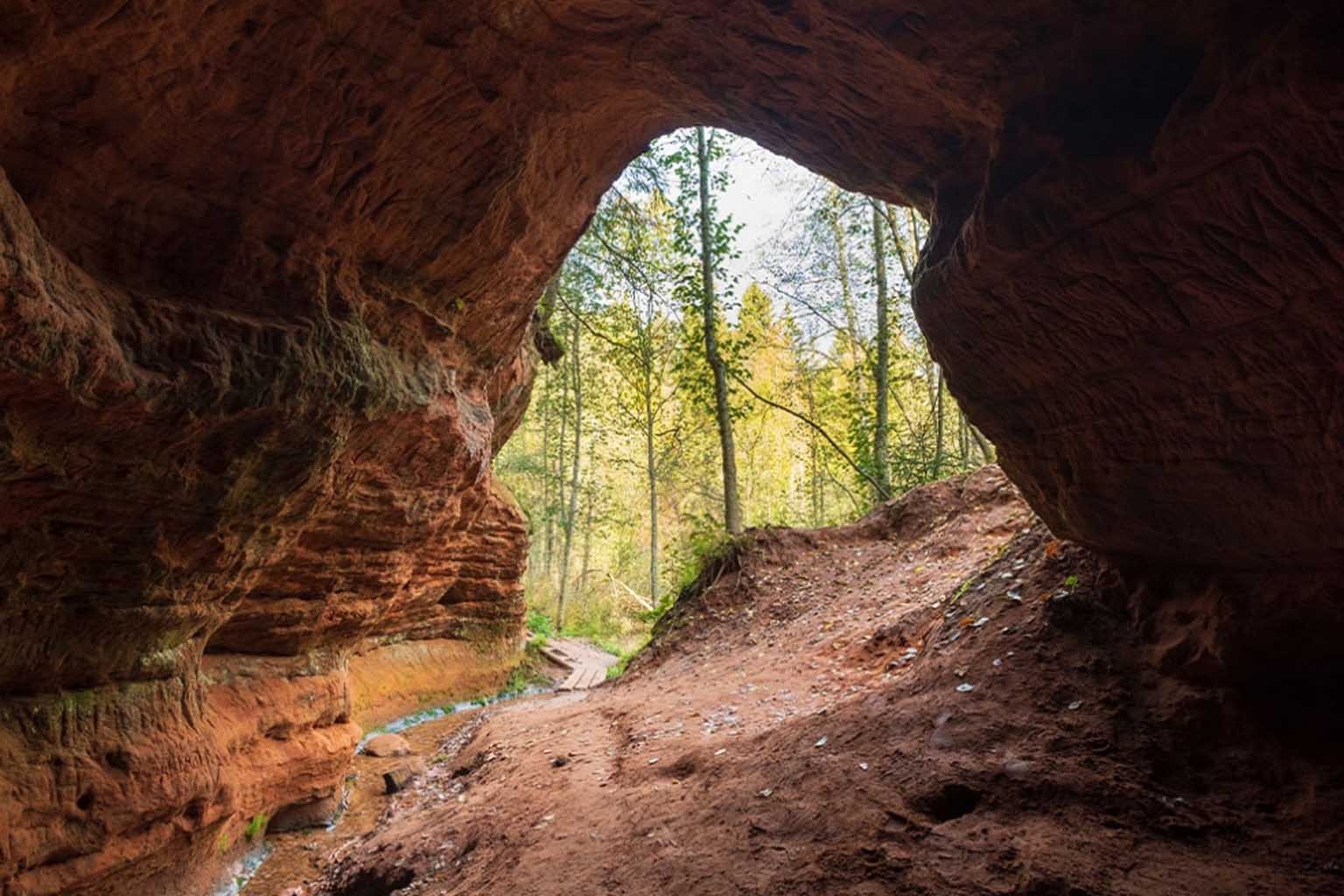
A discovery that sends shivers down the spine — that’s one way to describe the recent unearthed secrets within Poland’s Maszycka Cave. This find isn’t just another archaeological tale; it’s a revelation that peels back layers of prehistoric humanity to reveal something far more unsettling than we might have imagined — cannibalism from our ancient ancestors is a harder truth to grasp than we’d like to admit.
Unraveling the Secrets of Maszycka Cave
Deep within the southern reaches of Poland, the Maszycka Cave has held its trove of prehistoric secrets tightly for thousands of years. Nestled in this cavern are remains that chronicle the mysterious ways of the Magdalenian people, a hunter-gatherer society that thrived during the Upper Paleolithic era. For decades, scientists have speculated about the darker chapters of this site’s history, but it took the advent of modern technology—specifically, cutting-edge 3D scanning—to reveal a more comprehensive story.
According to a research article published in Nature, researchers meticulously examined 63 bone fragments, untouched by human intervention for eons. What they found was chilling: these bones bore marks of butchery, with cuts so precise they left no doubt about human intention. Why would early humans resort to such practices? An unsettling pattern of deliberate consumption emerged, indicating not rituals or symbolic acts, but survival and nutrition.
The Grim Reality of Nutritional Cannibalism
One might wonder: why feast on fellow humans? A logical thought, and one that has intrigued scholars and researchers alike. The evidence, found prominently on muscles, brain, and marrow, suggests a stark truth. Francesc Marginedas of IPHES-CERCA explains, “The location and frequency of the cut marks and the intentional fracturing clearly demonstrate nutritional exploitation of the bodies.” Such a statement, though clinical, paints a vivid picture of prehistoric necessity—the kind we often read about but seldom truly grasp.
An accompanying photo by Antonio Rodríguez-Hidalgo of the Institute of Archaeology-Merida lends undeniable authenticity to these findings. It presents cut marks on human bones that were no accident—they are a testament to a calculated extraction of nutrients. The clarity of these insights forces us to confront a past where resource scarcity could drive desperate acts.
The Broader European Context
Maszycka Cave is not an isolated case. Similar discoveries have been documented across Europe, bringing a wider resonance to this narrative of prehistoric survival. Sites such as Gough’s Cave in England, Brillenhöhle Cave in Germany, and Cueva Morín in Spain all echo this tale of cannibalism. However, despite the commonality, the motives behind these practices remain shrouded in mystery and debate.
Some posit that cannibalism was a desperate measure—a reaction to famine and environmental hardships. Others suggest it might have been part of ritualistic activities embedded in spiritual beliefs. These interpretations remain speculative, yet each theory adds depth to our understanding of these ancient communities and the trials they endured.
Technology Paves the Way for New Discoveries
What sets the Maszycka Cave findings apart is the precision of modern technology in revealing its secrets. The application of 3D scanning technology allowed researchers to differentiate between marks crafted by human hands and those created by nature. Dr. Marginedas, with a tone of undeniable certainty, comments, “The evidence shows a carefully executed process aimed at extracting the most valuable parts of the human body for consumption.”
This technology is more than just a tool—it’s a lens into a past once obscured by the sands of time. By providing an unblinking look at evidence previously deemed speculative, it confirms aspects of human history that challenge our understanding of morality and survival.
As readers, you might be left wondering what this means for our interpretation of human history. Can we reconcile the darker aspects of our lineage with the ingenuity and resilience displayed by our ancestors? It’s a question that invites reflection—and perhaps encourages us to consider our historical evolution with fresh eyes.
And now, over to you. How does this discovery change the way you view the past? Join the conversation, share your thoughts, and help us piece together the puzzle of our shared history. Your voice matters, and yes, you may have more insights than you realize!