


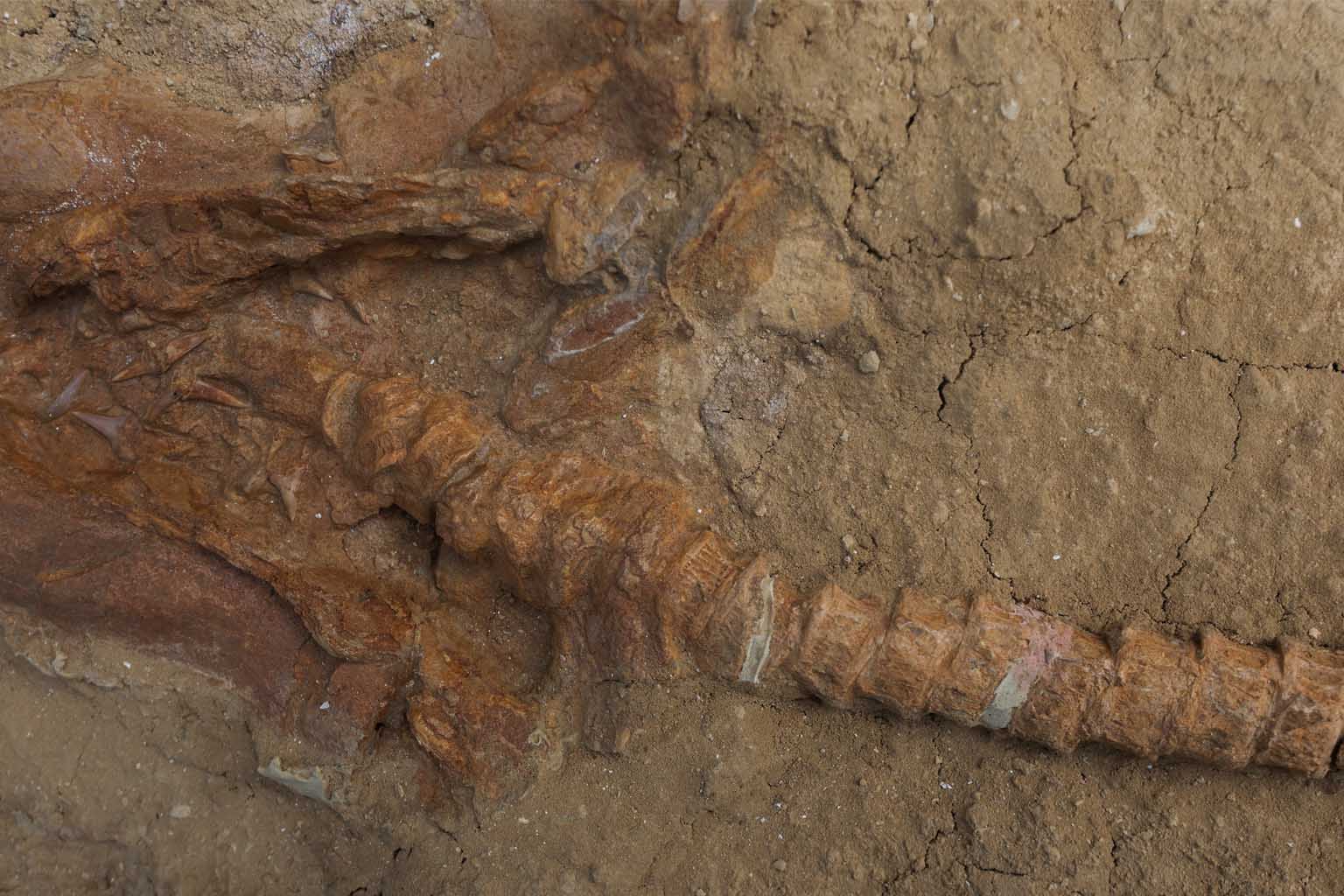
The discovery of a remarkably preserved Cosmopolitodus hastalis fossil in Peru’s Pisco Basin represents more than just another paleontological find. This 9-million-year-old predator, measuring up to seven meters in length, offers scientists an extraordinary window into the evolutionary journey that led to modern great white sharks. Found in what was once the prehistoric southern Pacific Ocean, this ancient hunter tells a story of marine dominance that predates our current understanding of apex predators.
The timing of this revelation, announced on Peru’s first National Day of Paleontology, underscores a broader scientific renaissance occurring in South America. While much of the paleontological world has focused on terrestrial discoveries, Peru’s marine fossil record is quietly rewriting our understanding of ancient ocean ecosystems. Similar remarkable discoveries, such as 16-million-year-old fish fossils found in other regions, demonstrate how the Miocene epoch was a period of extraordinary marine diversity. The specimen’s exceptional preservation, including its razor-sharp teeth measuring up to 8.9 centimeters, challenges the typical limitations scientists face when studying cartilaginous fish fossils.
What makes this discovery particularly significant is not just its completeness, but what it reveals about the evolutionary pressures that shaped modern marine predators. The fossilized stomach contents, containing numerous sardines, paint a picture of ancient food webs that differ substantially from today’s ocean ecosystems.
The Evolutionary Bridge Between Past and Present Predators
The Cosmopolitodus hastalis specimen reveals crucial differences from its modern great white descendants that speak to evolutionary adaptation strategies. According to research published in Palaeontology, the evolutionary relationship between C. hastalis and modern great whites demonstrates how broad-toothed ancestors gave rise to today’s apex predators. Unlike today’s great whites, which rely on explosive bursts of speed for ambush attacks, C. hastalis appears to have been built for sustained pursuit hunting. This anatomical distinction suggests that ancient ocean environments favored different predatory approaches than what we observe today.
“The broad-toothed Cosmopolitodus hastalis represents a crucial evolutionary link in understanding how modern great white sharks developed their specialized hunting adaptations” – Palaeontology research
The shark’s streamlined design indicates it was optimized for long-distance pursuits rather than the surprise attacks characteristic of modern great whites. This hunting strategy likely reflected the different prey distributions and ocean current patterns of the Miocene epoch. The discovery of sardines in its stomach contents provides direct evidence of this ancient predator’s diet, revealing that anchovies had not yet evolved to fill this ecological niche.
Scientists studying the fossil note that the species’ eventual disappearance coincided with the rise of more advanced predatory sharks. This evolutionary replacement pattern demonstrates how competitive pressures in prehistoric oceans shaped the development of increasingly efficient killing machines, ultimately leading to the great whites we know today.
Peru’s Pisco Basin: A Testament to Ancient Marine Diversity
The Pisco Basin’s unique geological conditions have created what paleontologists consider one of Earth’s most important fossil preservation sites. Located 235 kilometers south of Lima, this now-arid landscape was once covered by vast ancient seas that supported an incredibly diverse marine ecosystem. The exceptional fossilization quality found here rivals that of other world-famous sites, yet receives less international attention. This level of preservation mirrors other extraordinary finds, such as the astonishingly preserved pregnant ichthyosaur fossil that has provided insights into ancient marine reproduction.
Recent discoveries in the region extend far beyond this shark find. The area has yielded remains of Perucetus colossus, a prehistoric sea creature that may have been the heaviest animal ever to exist. The 2024 discovery of a fossilized river dolphin skull, dating back 16 million years, has provided unprecedented insights into freshwater marine evolution. These finds collectively paint a picture of ancient South American waters teeming with megafauna that dwarfs today’s marine life.
The concentration of such significant discoveries in a relatively small geographic area suggests that the Pisco Basin ecosystem was uniquely suited for supporting large marine predators. The fossilization conditions that preserved these specimens so perfectly indicate rapid burial in sediment-rich waters, likely created by specific oceanographic conditions that no longer exist.
What the Stomach Contents Reveal About Ancient Ecosystems
The preservation of fossilized stomach contents in this specimen provides rare direct evidence of ancient marine food webs. The discovery of sardines as the shark’s last meal offers scientists a snapshot of Miocene-era ocean ecology that challenges some assumptions about prehistoric marine environments. The absence of anchovies in these ancient waters suggests that current fish populations evolved to fill niches left vacant by other species’ extinctions. Research from the Florida Museum of Natural History provides additional context for understanding how C. hastalis fits into the broader evolutionary picture of lamnid sharks.
This dietary evidence indicates that large prehistoric predators like C. hastalis played crucial roles in maintaining the balance of ancient fish populations. The shark’s ability to consume large quantities of schooling fish likely influenced the evolutionary development of defensive behaviors in prey species. These predator-prey relationships shaped the ocean ecosystems that eventually gave rise to modern marine food chains, much like how prehistoric fish armor origins influenced the development of modern vertebrate features.
The well-preserved nature of the stomach contents also demonstrates the rapid fossilization process that occurred in the Pisco Basin. Such exceptional preservation requires very specific environmental conditions, suggesting that this ancient ocean environment was characterized by unique chemical and sedimentary processes that enhanced fossil formation.
The Overlooked Implications for Modern Marine Conservation
While paleontologists celebrate the discovery’s scientific value, the broader implications for understanding modern ocean vulnerability deserve equal attention. The C. hastalis specimen represents a species that dominated ancient seas for millions of years before disappearing entirely. This extinction pattern offers sobering parallels to current concerns about great white shark population declines.
The fossil record shows that even highly successful apex predators can vanish when environmental conditions shift or when faced with superior competitors. Modern great whites, despite their evolutionary advantages over C. hastalis, face unprecedented challenges from human activities that ancient sharks never encountered. Overfishing, habitat destruction, and climate change represent novel evolutionary pressures that operate on timescales far shorter than natural adaptation processes. Just as archaeological discoveries reveal how rapidly human populations can alter environments, marine ecosystems face similar pressures from human expansion.
The ancient diversity revealed by Peru’s fossil beds also highlights how much marine biodiversity has been lost over geological time. The Miocene oceans supported multiple species of giant predators simultaneously, suggesting that healthy marine ecosystems can sustain far greater megafauna diversity than exists today. This perspective challenges current assumptions about the carrying capacity of modern oceans and raises questions about what marine environments might look like in the absence of human interference.
As researchers continue to uncover Peru’s paleontological treasures, each discovery adds depth to our understanding of life’s resilience and fragility. The story of Cosmopolitodus hastalis reminds us that dominance in any ecosystem is temporary, shaped by forces both gradual and sudden that continue to influence the oceans today.