


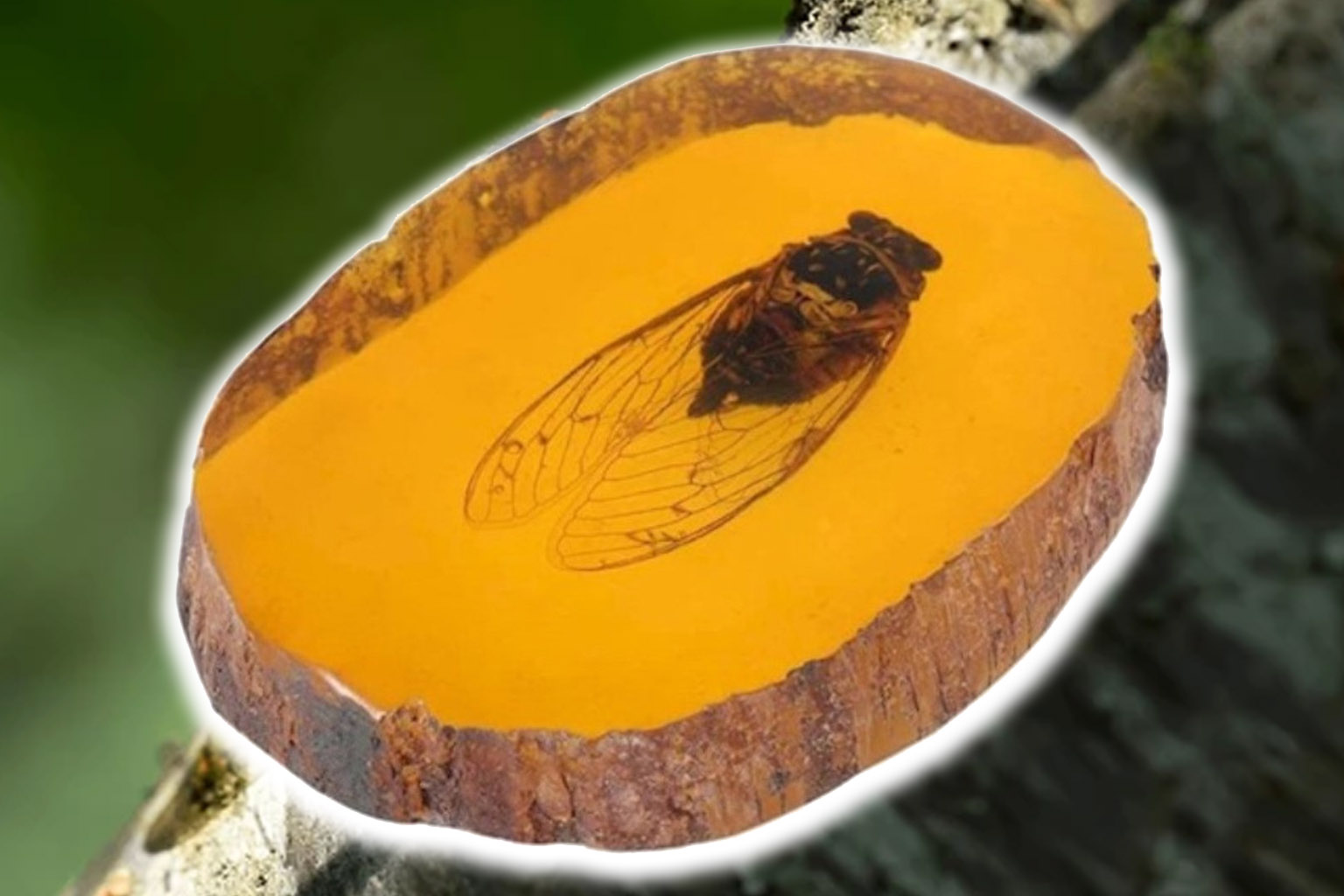
A breathtaking window into prehistoric life has just been opened in Germany’s renowned Messel Pit, where scientists have uncovered a nearly perfectly preserved cicada fossil dating back 47 million years. This discovery not only excites paleontologists but also significantly enriches our comprehension of ancient insect evolution and biodiversity during the Eocene epoch.
The Remarkable Discovery of Eoplatypleura messelensis
Nestled within the UNESCO World Heritage site of the Messel Pit, researchers excavated a fossilized cicada species named Eoplatypleura messelensis. Measuring 1 inch (26.5 mm) in body length and sporting a wingspan of about 2.7 inches (68.2 mm), this cicada shows wing patterns strikingly similar to those of modern-day members of the Platypleurini tribe. The fossil stands as one of the oldest known representatives of the Cicadinae subfamily on the Eurasian continent, dating to the Eocene period when the Earth’s climate was much warmer and more humid.
Dr. Sonja Wedmann, a leading entomologist at the Senckenberg Research Institute and Natural History Museum Frankfurt who supervised the excavation, emphasized the rarity of such finds. “Despite the immense diversity of cicadas today, fossil records are incredibly scarce,” she stated. This fossil therefore marks a pivotal addition to the limited but invaluable fossil evidence for cicada lineage evolution, providing clues about how these fascinating insects adapted to their environments tens of millions of years ago.
Insights Into Eocene Ecosystems and Cicada Camouflage
The intricately patterned wings of Eoplatypleura messelensis are especially noteworthy. According to the study’s lead author, Dr. Hui Jiang, these patterns are closely reminiscent of contemporary cicadas found in wooded and scrubland habitats. The wings likely served a similar ecological role in the subtropical forests of Eocene Europe — functioning as camouflage to help shield the insect from predators.
The Messel area back then was a lush subtropical environment, ideal for a variety of flora and fauna. The wing design suggests a long-standing evolutionary strategy for survival through blending into foliage. Such detail enriches our understanding of how insect behavior and physiology may have co-evolved with shifting ecosystems.
A Rare Glimpse Into the Evolution of True Cicadas
The significance of discovering a new genus and species within the Cicadinae subfamily cannot be overstated. This fossil pushes back the clock on the earliest confirmed presence of true cicadas in Eurasia and offers a fresh chronological benchmark to guide genetic and evolutionary research.
The Senckenberg team’s work, published in Scientific Reports, frames this discovery as one of the most critical in insect paleontology in recent years. It connects modern cicada diversity to deep evolutionary roots, tracing back nearly 50 million years. This temporal depth helps scientists better understand not only cicadas’ development but also broader Cenozoic insect evolution.
Why Fossils Like This Matter for Science and Biodiversity
The Messel Pit is famed for its exceptionally preserved fossils, giving unique insights into ancient life. The discovery of Eoplatypleura messelensis adds an important piece to this prehistoric puzzle by shining a spotlight on insect biodiversity, an often overlooked but critical component of ancient ecosystems.
Fossil insects help researchers reconstruct ecological networks and evolutionary pathways. According to a 2023 study by the Smithsonian Institution on fossil insect diversity, such findings inform modern conservation strategies by revealing how species have historically responded to climate shifts and habitat changes. This fossil, with its well-preserved morphology including a compact head and broad forewings, serves as a tangible link across millions of years.
For anyone fascinated by nature’s deep history, the Messel Pit continues to be a treasure trove of discovery. The uncovering of this ancient cicada reveals not just the exquisite complexity of insect evolution but also points to future avenues in genetic studies aimed at unraveling the evolutionary history of cicadas and other insects.
If you found this glimpse into prehistoric insect life captivating, share your thoughts, questions, or stories about your own encounters with nature’s wonders below. Your reactions help us all appreciate the delicate threads connecting past and present biodiversity!