


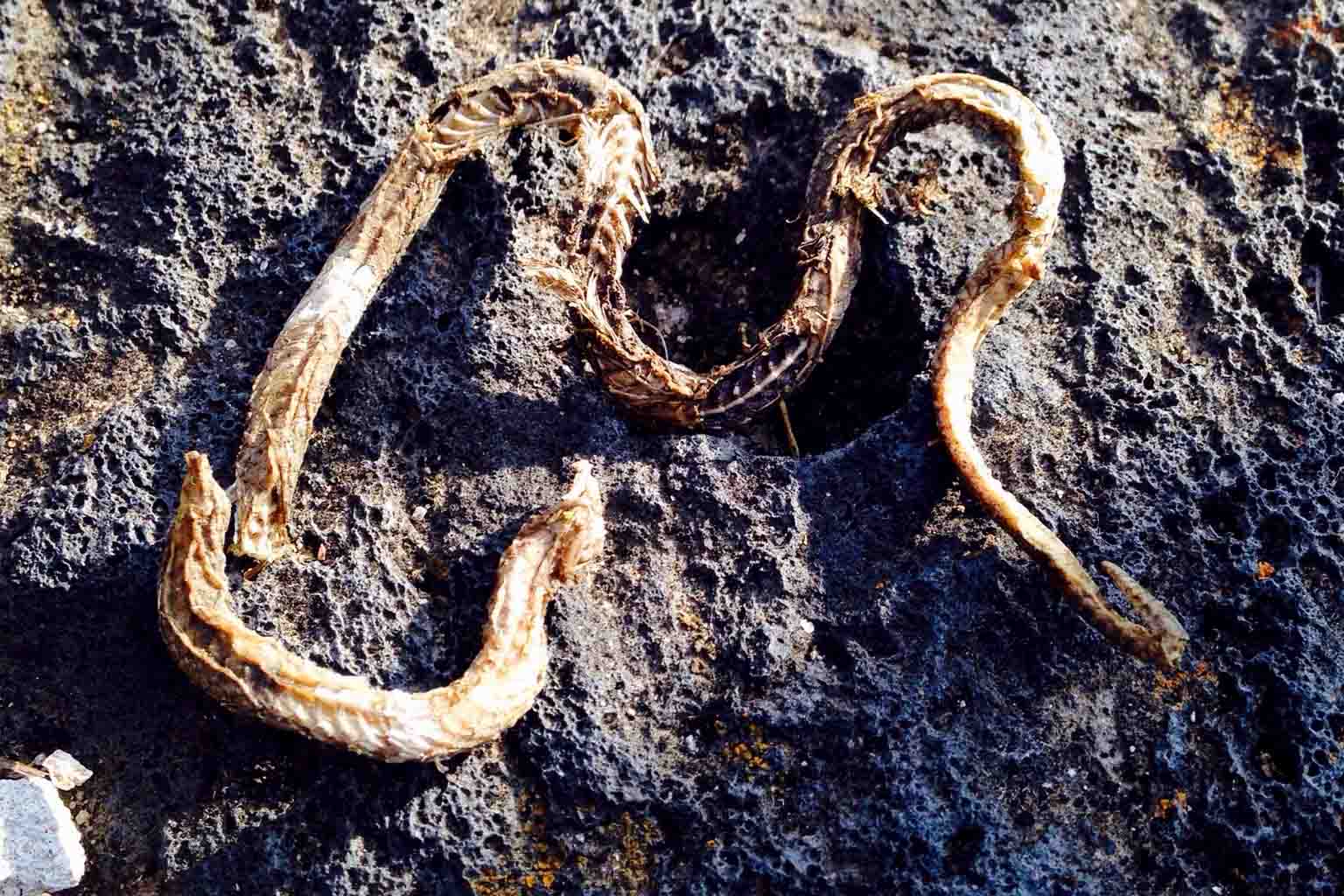
Imagine uncovering a fossil that not only changes what we know about ancient reptiles but also reveals unexpected social behaviors from 34 million years ago. That’s exactly what paleontologists achieved with the discovery of a nearly complete snake fossil in Wyoming, a find that reshapes the story of snake evolution as we know it.
Michael Caldwell, a leading paleontologist at the University of Alberta, has been at the heart of this remarkable discovery, which illuminates the early life and habits of snakes closely related to modern boas. The exciting details, recently published in the Zoological Journal of the Linnean Society, open new windows into how these creatures evolved and how they might have lived together during harsh winters long before modern snakes.
A Rare 34-Million-Year-Old Snake Fossil Unearthed in Wyoming
The fossilized remains belong to Hibernophis breithaupti, a species previously unknown to science. Discovered in the early Oligocene sediment layers of Wyoming’s White River Formation, these fossils are exceptional both in completeness and preservation. Unlike the usual disarticulated snake bones commonly found—almost a million vertebrae housed in museum collections worldwide—these four skeletons were uncovered intact and assembled in a hibernaculum, an ancient snake winter den.
This extraordinary preservation offers paleontologists a unique chance to study more than 200 vertebrae, ribs, and skull bones, providing a clear anatomical map that is seldom available for snakes of this age and size. This unusually detailed fossil record shows how bones and body structures changed through the snake’s life cycle, enabling scientists to draw direct comparisons with their modern relatives.
Insights into Boidae Family Evolution and Snake Development
The findings illuminate the evolutionary pathway of the Boidae family, which includes modern boas. Unlike earlier beliefs emphasizing large-bodied ancestors, the fossils suggest that boas likely started as smaller snakes before evolving into the constrictors we’re familiar with today. Notable differences in jaw shape, tooth arrangement, and vertebral structure led researchers to classify Hibernophis as a new species, expanding our understanding of snake diversity during the Oligocene epoch.
Researchers utilized comparative anatomy and DNA analyses to place these fossils near the base of the boa lineage. “This suggests that early boas were small-bodied, which is quite illuminating,” Caldwell noted. These discoveries bridge a significant gap in snake evolutionary history. According to a study highlighted by the Smithsonian National Museum of Natural History, understanding such transitional fossils is crucial for mapping out serpent evolution accurately (Smithsonian report).
Uncovering Ancient Snake Social Behavior Through Fossil Evidence
Perhaps the most fascinating revelation is the evidence of communal hibernation. The snakes were found curled together in a hibernaculum, offering rare proof that ancient snakes engaged in social behavior typically not associated with reptiles. Unlike many of today’s snake species, which hibernate alone or don’t hibernate at all, these ancient creatures grouped together to conserve warmth and energy throughout cold seasons.
Caldwell explained, “Because snakes can’t regulate their body temperature internally, clustering in large masses was vital to survive harsh winters.” This discovery hints that such cooperative behavior evolved much earlier than scientists had imagined, showcasing an advanced survival tactic that deepens our knowledge of reptilian life history.
“Of the nearly 15,000 reptile species alive today, communal hibernation on this scale is extraordinarily rare,” Caldwell remarked in the journal publication.
The Geological Miracle Behind Fossil Preservation
The precise conditions enabling this fossilization were nothing short of extraordinary. A sudden volcanic ashfall blanketed the snakes’ underground den, creating an airtight seal that prevented decay and scavenging. Seasonal rains further cemented the ash, forming a protective layer over the skeletons and preserving the fine anatomical details with remarkable clarity.
This geological phenomenon allowed researchers to examine delicate structures like vertebral keels and jaw formations rarely visible in disarticulated bones. Such preservation offers an invaluable snapshot of the past, cementing this discovery as one of the most comprehensive sets of ancient snake fossils ever found.
For a closer look at how these fossils were excavated and studied, check out this informative video :
Michael Caldwell’s work on Hibernophis breithaupti not only enriches scientific understanding but also captivates the imagination, revealing the intimate behaviors of creatures from a distant past. These fossils testify to the resilience and adaptability that characterize snake evolution—and remind us how much there is still to learn from the ancient world.
What do you think about snakes’ surprising social lives millions of years ago? Share your thoughts or questions below and join the conversation about this exciting chapter in evolutionary history.