


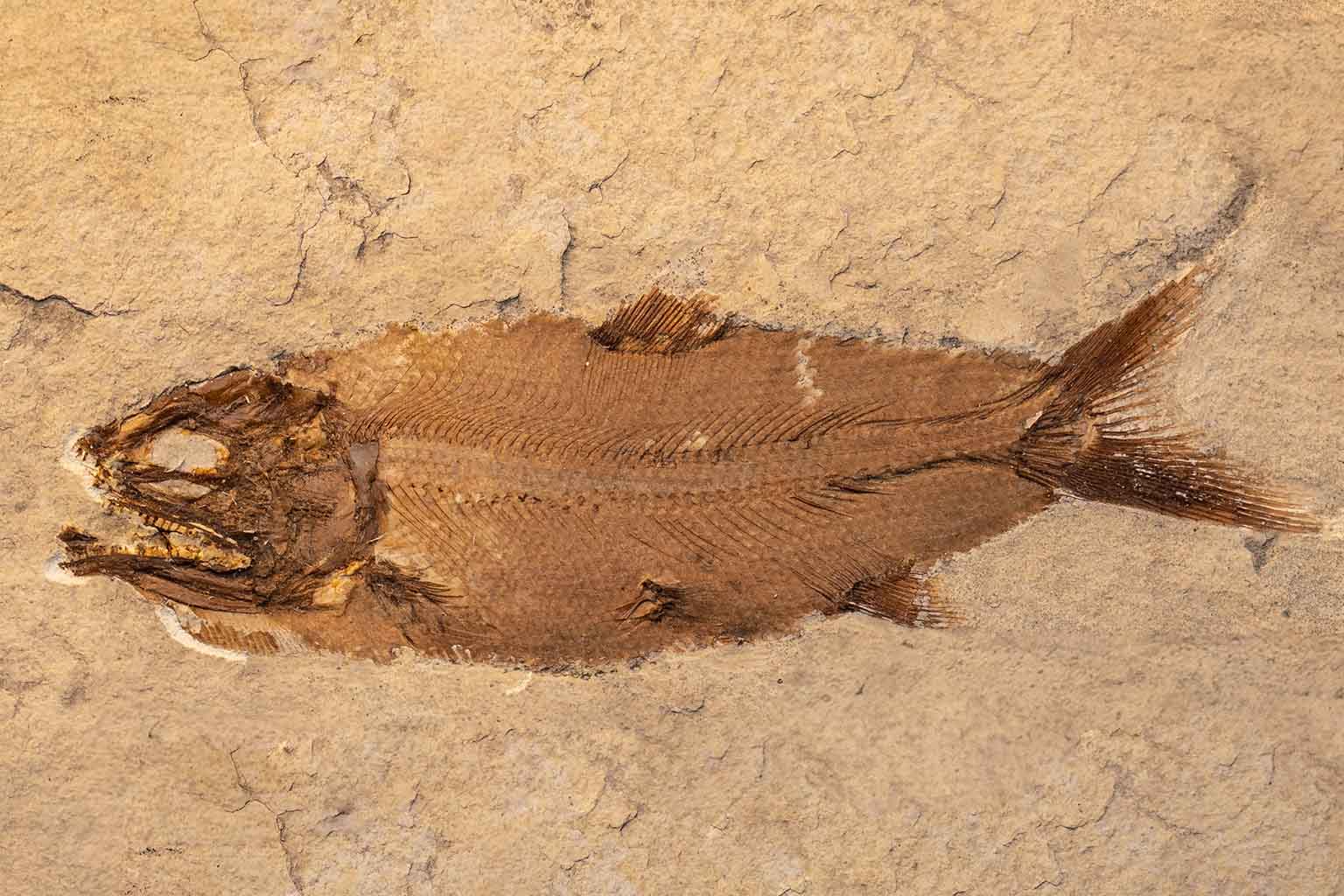
It’s not every day you stumble upon a snapshot from millions of years ago, perfectly preserved. In a surprising twist, such relics of the past were uncovered in central New South Wales (NSW), where researchers have discovered 16-million-year-old ancient fish fossils. Perfectly encased in an iron-rich mineral, these fossils hold a treasure trove of information about prehistoric ecosystems and the mysterious life of a species known as Ferruaspis brocksi. These findings not only highlight extraordinary preservation but also offer a deep dive into how fish lived during the Miocene epoch, amidst sweeping environmental changes.
A Journey to the Miocene Epoch
The discovery at McGraths Flat sheds light on Ferruaspis brocksi—a species part of the Osmeriformes group, which includes today’s smelts and graylings. What’s fascinating is the exceptional level of detail these fossils reveal. The fossils are so well-preserved that they contain microscopic color cells, called melanophores, which carry granules responsible for the fish’s pigmentation. This allows scientists to deduce their countershading coloration: darker on top and lighter underneath—a handy adaptation for aquatic camouflage. According to Dr. Michael Frese, an associate professor at the University of Canberra, such detailed preservation “pushes the boundaries” of what we knew from fossil studies before. Understanding these color patterns is crucial because they help explain ancient survival strategies and evolutionary paths. This discovery marks a leap forward in unraveling the secrets of prehistoric life.
Revealing Ferruaspis brocksi’s Last Supper
Ever wondered what a 16-million-year-old fish might have had for its last meal? Thanks to the pristine preservation of these fossils, scientists have unearthed a fascinating snapshot of Ferruaspis brocksi’s diet. By peering into the microscopic remnants within the fish’s stomach, they’ve identified phantom midge larvae—a type of aquatic insect—as a primary food source. Viewed under a high-powered microscope, the fish’s bellies presented a curious assortment of insect antennae, bits of half-digested wings, and even the occasional small mussel. This discovery paints a vivid picture of the fish’s feeding habits and offers clues about its habitat.
Consider this: the fossils were found in a lake-like billabong, detached from nearby rivers. This suggests a dynamic but occasionally secluded ecosystem, where fish like Ferruaspis brocksi could thrive. The fossils serve as silent storytellers, providing a narrative of adaptation and survival in an ancient world.
Insights into Ancient Australia’s Ecosystems
Travel back millions of years, and you’d find Australia undergoing a metamorphosis during the Miocene era. Forests dwindled as deserts expanded, and the fossils from McGraths Flat open a window onto these past landscapes. These fish fossils, enigmatic as they are, give us an unprecedented opportunity to study how life forms adapted to such dramatic shifts.
Prof. John Long, a renowned authority on ancient fish, notes that these discoveries allow us to explore the evolutionary adaptations triggered by climate changes. For instance, the detailed study of these fossils also reveals interactions among species, illustrating how they jointly navigated the challenges of an evolving planet. Truly, it’s an invaluable perspective on Earth’s history.
The Imperative of Preservation
The McGraths Flat site, home to these fossils, is like a geological library, continually revealing new chapters of Earth’s ancient past. Over time, the collection of such fossils helps form a mosaic of ancient ecosystems. Every piece adds to our understanding of the environmental changes and evolutionary responses that occurred over millions of years.
Dr. Frese articulates the importance of these findings, describing them as both a “history lesson” and a “geological lesson,” highlighting how climate shifts fundamentally alter ecosystems. Examining these fossils doesn’t just unveil the past—it informs the present. By preserving these ancient remains, we gain insights into the lifecycle of species and the broader ecological transformations shaping life on our planet.
So, the next time you think about what lies beneath the Earth’s surface, remember these fossils and the secrets they hold. Who knows what other mysteries lie waiting to be unearthed, offering another chapter in the fascinating story of our world’s evolution?
If you’ve found yourself sparked with curiosity or simply want to connect with the past, consider exploring the rich tapestry of the natural world expressed through its fossils. Isn’t it fascinating how mere stones from an ancient era can stir such a connection to life millions of years ago? Share your thoughts, and stay tuned for more intriguing discoveries from our beautiful, ever-evolving planet.