


Imagine, just for a moment, handing back a symbol of freedom that has stood for more than a century. This bold idea has recently been stirred up by Raphaël Glucksmann, a French politician and member of the European Parliament, who has managed to ignite passion and controversy with a simple yet provocative statement. Glucksmann’s call for the return of the Statue of Liberty to France, though scarcely genuine, raises pointed questions about the current state of U.S. political values and whether they still embody the ideals the statue represents. According to a Newsweek report, his comments are more of a metaphorical jab aimed at urging reflection rather than an earnest request.
Unveiling the Real Intentions
At a recent party convention, Glucksmann took the floor and didn’t hold back. “Give us back the Statue of Liberty,” he declared, stirring waves across the room. And, honestly, it’s surprising — really surprising — how quickly the comment spiraled into international attention. His sentiment was less about reclaiming physical possession and more about urging accountability to the values intertwined with Lady Liberty’s image.
He wasn’t alone in his concerns. Glucksmann voiced worries shared by many in Europe regarding U.S. policies, particularly during President Trump’s tenure. His critique homed in on decisions impacting Ukraine and scientific freedom — areas reflecting broader frustrations with America’s foreign and domestic agendas. In his words, “We gave it to you as a gift, but apparently, you despise it. So, it will be just fine here at home.”
A Gift Wrapped in History
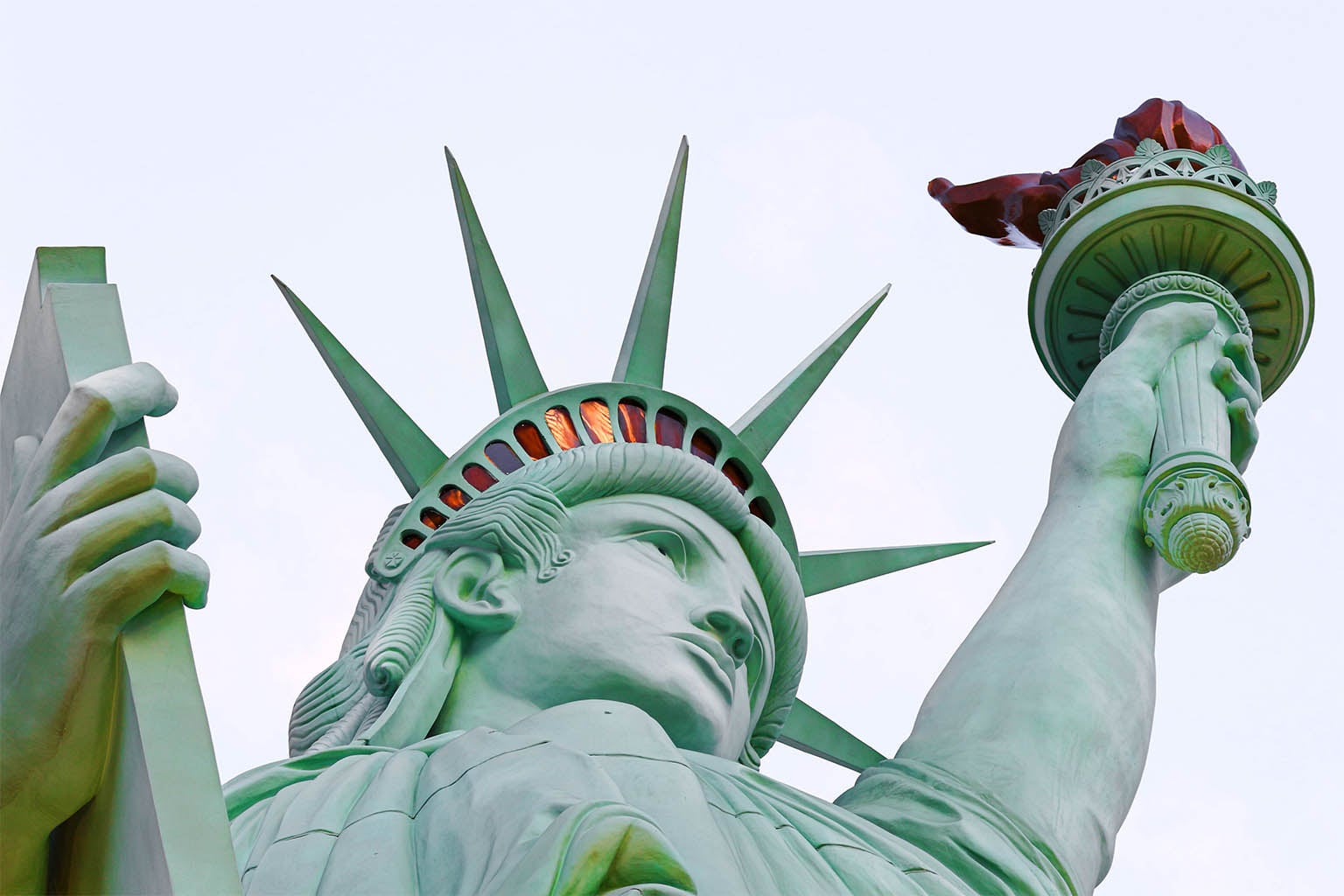
The historical significance of the Statue of Liberty is profound. Back in 1886, France gifted this colossal symbol of freedom to commemorate U.S. independence. Sculpted by Frédéric-Auguste Bartholdi, it has stood as an iconic emblem of democracy, welcoming immigrants to America’s shores with open arms. So enchanting has been its presence that it’s hard to imagine it elsewhere.
On social media, Glucksmann shared, “The statue is yours. But what it embodies belongs to everyone.” Such comments, while symbolic, have freshly awakened debates regarding the American commitment to these shared values.
Strains in Transatlantic Relations
Glucksmann’s remarks didn’t bubble up in isolation. They are set against a simmering backdrop of European discontent with U.S. policies under Trump’s leadership. With contentious stances on Ukraine, immigration, and science, several European leaders have voiced apprehension about the trajectory of transatlantic ties. Glucksmann’s words have echoed these concerns, signaling that if the U.S. veers from championing democratic ideals, Europe must rise to the occasion.
During this political theater, the White House didn’t sit silently. Spokesperson Karoline Leavitt hit back, invoking historical gratitude. “It’s only because of the United States of America that the French are not speaking German right now,” she said, highlighting America’s sacrificial role in liberating France during World War II. This sharp exchange underscores deeper rifts in international relations, reflecting shifts in how countries perceive democratic responsibilities.
The Symbol We All Need
Beyond the rhetorical sparring lies a deeper question: what does the Statue of Liberty mean to us today? In many ways, it’s more than an artifact; it’s a reminder of shared battles for freedom. Even as debates brew, travelers and dreamers alike still look to the statue as a beacon of hope and shared human values. You might almost picture it as a gigantic guardian of liberty, quietly watching as generations pass, ever the same amidst an ever-changing political landscape.
This discussion, sparked by Glucksmann’s symbolic plea, invites a broader reflection on our shared values. His words challenge us to ensure that symbols like the Statue of Liberty continue to represent principles worth upholding. How do you feel about what it represents? Doesn’t it make you think?
Whether standing tall in New York Harbor or seen in evocative photographs, the Statue of Liberty remains a powerful call to the nations, urging unity in these divisive times. As we continue to debate who best keeps the flame of liberty alive, remember that each of us plays a part in shaping what it stands for — today and always.
And as you ponder these questions, consider sharing your thoughts. What do you think the Statue of Liberty should symbolize in this era? Feel free to join the conversation.