


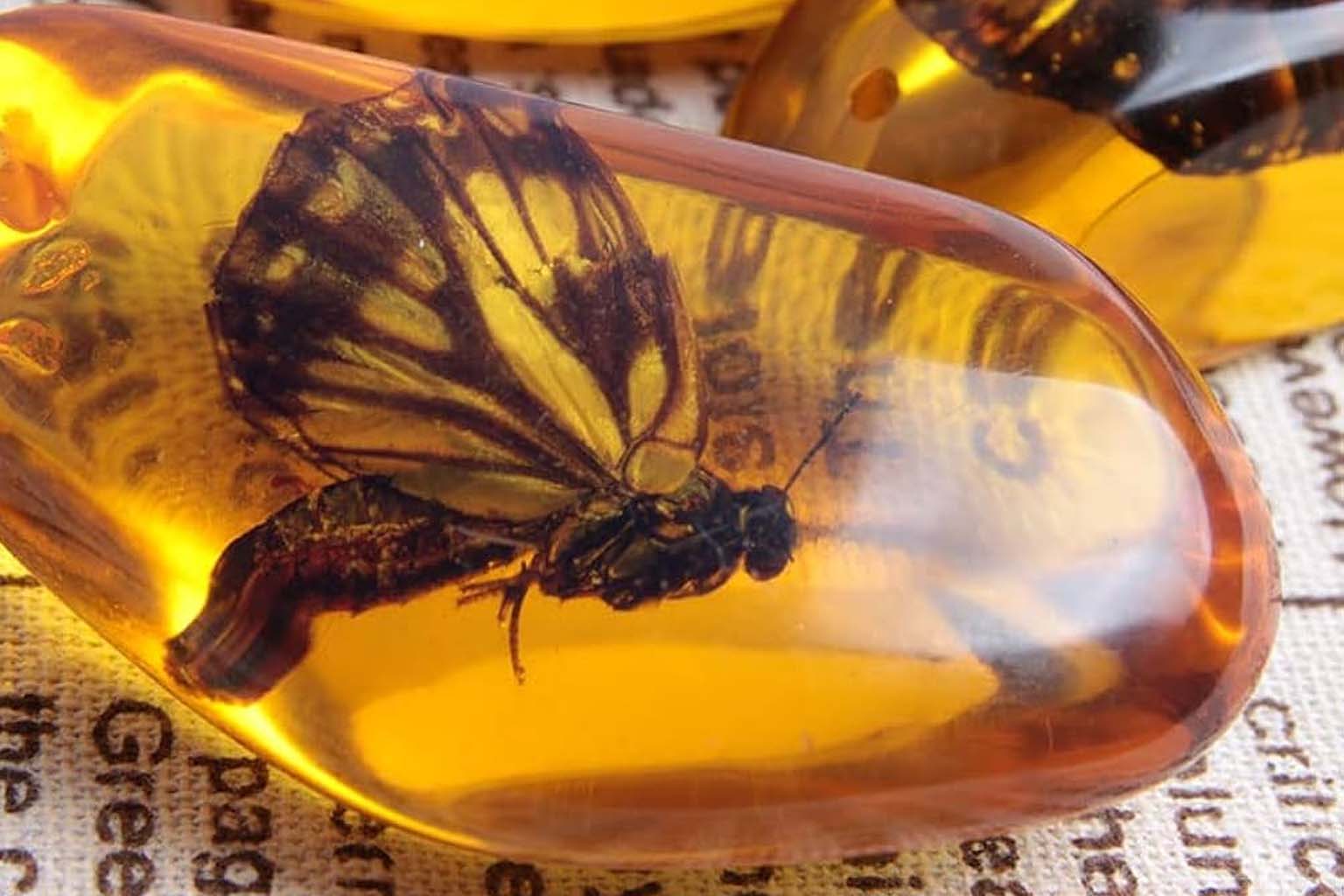
They say some treasures wait patiently to reveal their secrets. In a quiet corner of Japan’s Museum of Unique Insect Fossils, a rare butterfly fossil sat unnoticed for decades—until recently, when scientists uncovered an extraordinary discovery: a previously unknown extinct species. This is not just any butterfly, but one that challenges what we thought we knew about ancient insects and their environments nearly two million years ago.
The fossil of Tacola kamitanii, hidden since 1988, is reshaping the story of butterfly evolution through the Early Pleistocene epoch. How? Let’s take a closer look.
The Long-Hidden Butterfly of Hyogo Prefecture
For more than 30 years, Tacola kamitanii rested quietly in the museum’s collection after its discovery in Hyogo Prefecture, Japan. Yet for decades, this beautifully preserved specimen remained unexplored—a sleeping giant among butterflies, with a wingspan nearly 3.5 inches (about 8.8 cm), which is quite large for butterflies of its time.
In 2025, a team of Japanese paleontologists published their findings in Paleontological Research, confirming that this butterfly is the first fossil identified from the Early Pleistocene epoch. This is a big deal, because butterfly fossils are incredibly rare. As the researchers explained, butterflies have delicate wings and light bodies that make fossilization a rare event. Their fragile nature often leads to poor preservation, which means each discovery like this one is a glimpse into an otherwise lost past.
Why This Discovery Matters
What makes Tacola kamitanii especially exciting is that it belongs to the Limenitidini subfamily, which includes well-known modern species such as viceroys and admirals. This fossil is the first ever identified from this subfamily, implying that these butterflies had a wider historic range than previously thought—stretching across areas of Southeast and East Asia from the Late Pliocene to the Early Pleistocene.
The fossil likely belonged to a female butterfly, as suggested by a thick abdomen, a trait common among female butterflies today. This offers a rare opportunity for scientists to analyze sexual dimorphism—differences between males and females—in ancient species. Such insights are hard to come by because fossilized butterflies are usually incomplete or damaged.
Unraveling the Ancient Climate and Environment
This butterfly’s timeline spans a critical phase when Earth’s climate was shifting from the warmer Late Pliocene to the cooler Early Pleistocene, causing ecosystems and habitats to evolve dramatically. Researchers believe Tacola kamitanii thrived in warm to mild climates, which were common on the Japanese islands during this transition.
Discoveries like this provide more than just curiosity; they shed light on how ancient insects adapted to climate change. For example, the widespread distribution of the Tacola genus in both Southeast and East Asia points to a much more extensive and adaptable group than previously recorded.
According to a 2022 study by the Smithsonian Institution on insect fossil preservation, understanding these patterns helps scientists forecast how current butterfly species might respond to ongoing climate shifts—a timely lesson from the past.
The Bigger Picture: Evolution and Fossil Rarity
The rarity of butterfly fossils makes every find vital for piecing together evolutionary histories. Fossil evidence like Tacola kamitanii represents a snapshot of biodiversity from nearly two million years ago. It defies assumptions that delicate insects like butterflies have a limited fossil record and shows that large, specialized species existed far earlier than suspected.
Dr. Takehiro Saito, part of the research team, shared in an interview, “This discovery not only fills a gap in the fossil record but also opens new avenues for studying how prehistoric insects coped with climate fluctuations. It’s a window into resilience and adaptation.”
This evocative footage helps bring a long-lost species back to life, making the science both accessible and thrilling.
—
If this hidden fossil tale sparked your curiosity, or if you have thoughts on the mysteries still hiding in museum collections around the world, don’t be shy—share your reactions or stories in the comments below. Discoveries like this remind us that sometimes, wonder rests right under our noses, waiting to be uncovered.