


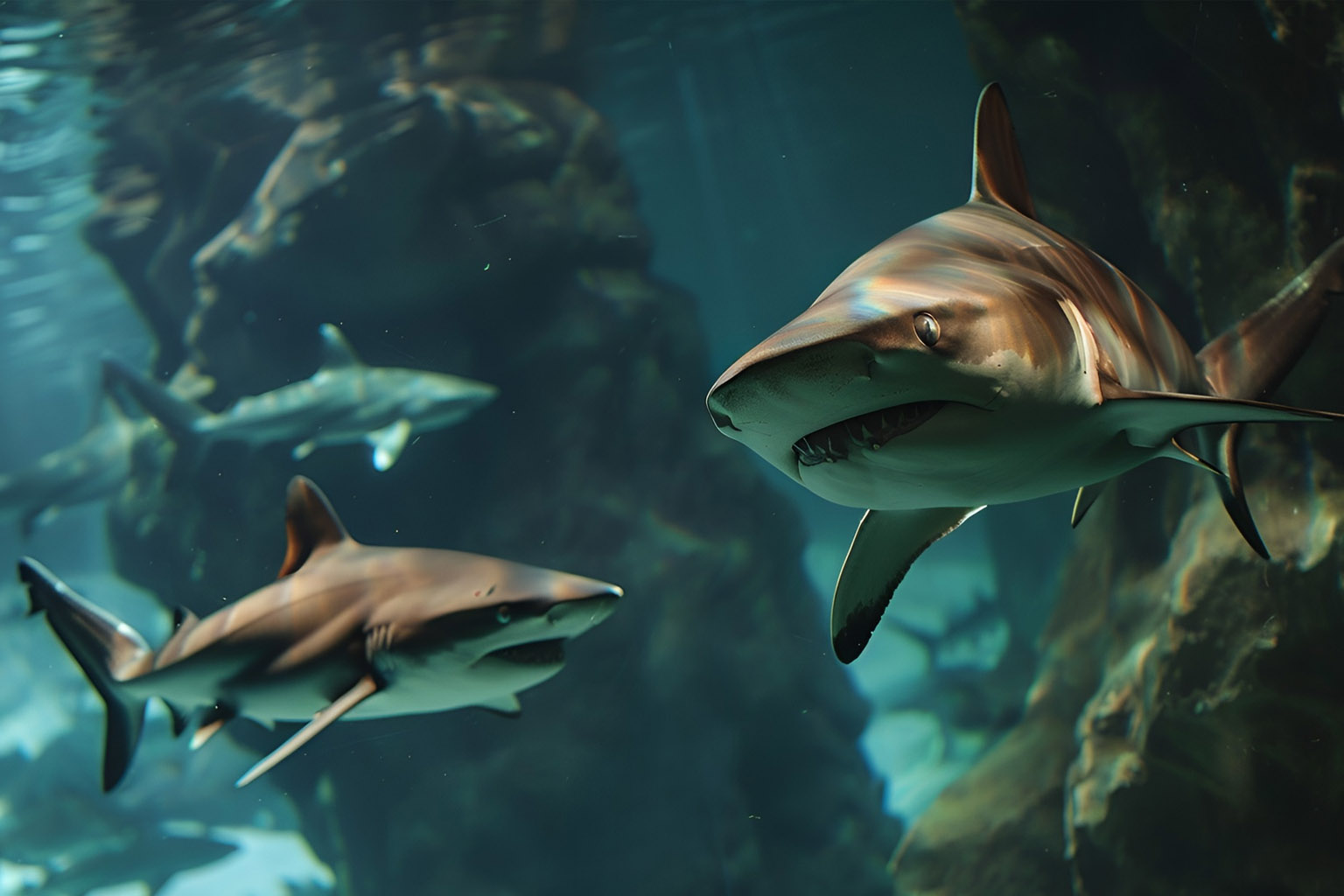
The decision to remove shark nets from 51 New South Wales beaches a month earlier than usual has caught the attention of many beachgoers and conservationists alike. The change isn’t just a logistical adjustment; it’s a response to growing environmental concerns. The nets, traditionally removed around the end of April, will now be taken down as early as March 31. But why the rush, many are asking?
### The Purpose Behind Shark Nets
These nets have long been deployed from September to April, forming an underwater barrier that aims to minimize shark encounters, particularly with larger species like white, tiger, and bull sharks. For decades, they’ve stood as a first line of defense for swimmers in the open waters. However, their impact stretches far beyond human safety.
According to an article by 9News, the effectiveness of these nets has been overshadowed by their unintended consequences on marine life. The most recent data from the 2023-24 season reveals a staggering ecological toll: of the 134 marine animals ensnared by these nets, only a small fraction, about 36%, survived. Among the casualties were critically endangered grey nurse sharks and several endangered turtle species. It’s a sobering reminder of the delicate balance between safeguarding humans and protecting aquatic wildlife.
### Environmental Concerns Drive Change
These startling statistics have ignited action. Several local councils, from Waverley to Randwick, have voiced their demands for a change. Understandably, the death toll of non-target marine life has sparked heated debates and votes to have the nets removed sooner.
An obvious question arises: How do we substitute such an ingrained safety measure? The NSW government’s answer lies in enhancing current methods. They’ve ramped up net inspections to a daily routine and are experimenting with lighting systems designed to keep turtles at bay. These are part of the plan for the 2024-25 season, aiming to cut down on the bycatch rate without compromising beachgoer safety.
### Prioritizing Public Safety
Public safety remains an overarching concern amidst these changes. The tragic shark encounter involving a woman at Gunyah Beach serves as a stark reminder of the ever-present risks. Her rescue, though, exemplifies how bystander quick-thinking can turn a potential tragedy into a tale of survival.
Records from the Australian Shark Incident Database show four shark attacks in 2023 alone, one in each of the mainland states. In total, 17 attacks were documented that year, three claiming lives, demonstrating that while nets might come down, threats don’t fade away.
### Safe and Informed Beach Visits
Despite anxieties that might linger, swimmers are encouraged to keep safety paramount. Through SharkSmart, a government initiative, beachgoers receive essential advice: stick to designated swimming areas marked by red and yellow flags, stay close to the shore, avoid swimming during shark prime times like dawn and dusk, and be mindful if you have open wounds.
As this transitional phase unfolds, public education will be crucial. It’s about equipping the community with knowledge and tools to stay safe, even in a quieter, novel setting without the nets.
### A New Era of Coastal Management
The removal of the shark nets is more than just an operational shift — it signifies a broader, more thoughtful approach to coastal management. Not only does it align with the latest environmental standards, but it also heralds a future where the needs of people and wildlife can coexist.
By encouraging environmentally sound practices and supporting conservation efforts, New South Wales sets a precedent. And yes, these changes may seem daunting at first, but they open up opportunities for progressive safety measures, informed decisions, and a commitment to a healthier marine ecosystem.
This is a discussion that will continue evolving as we move into new beach seasons, with eyes set on innovating shark safety measures that respect the intricate web of marine life. Engage with these changes — and stay informed as these developments unfold. Feel free to share your thoughts or experiences in this fascinating dialogue about our coastal guardianship.