


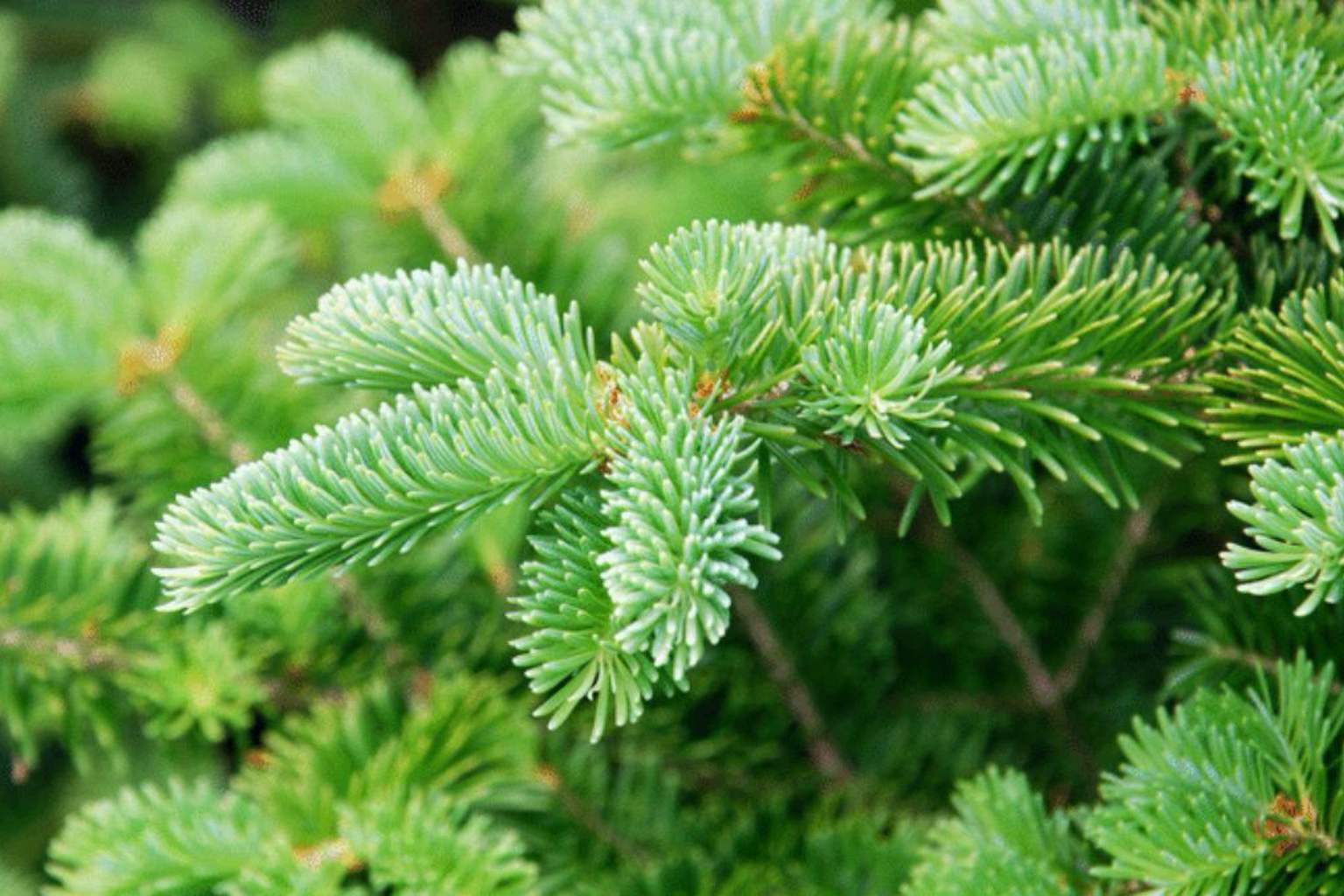
Scientists have uncovered a spectacular secret hidden within the forests of northern Finland: tiny particles of gold embedded inside the needles of red spruce trees. This groundbreaking discovery not only challenges our understanding of plant biology but also opens the door to an innovative, eco-friendly approach to mineral exploration. Imagine a future where gold mining depends less on heavy machinery and more on nature’s own mechanisms — a natural partnership between trees and microscopic microbes working together beneath the forest canopy.
Unearthing Gold Nanoparticles in Finnish Spruce
The story began at the Tiira gold deposit in northern Finland, where researchers from the University of Oulu and the Geological Survey of Finland (GTK) set out to investigate mineral indicators in vegetation. Collecting 138 needle samples from 23 red spruces, the scientists were stunned to discover that four of these trees contained microscopic gold particles deeply embedded within their needles. This wasn’t surface dust or incidental contamination; the gold was genuinely part of the tree’s internal tissues.
What makes this finding even more fascinating is the intimate relationship between the gold particles and certain bacteria living inside the trees. These microbes are believed to transform dissolved gold compounds in the soil into solid nanoparticles, effectively acting as natural nanofactories. Dr. Minna Ek, lead researcher at the University of Oulu, describes this as “a new form of mineral processing happening right inside the tree’s needles.”
The Role of Microbial Alchemists
The bacteria discovered include species such as Cutibacterium, Corynebacterium, and a unique group known as P3OB-42, which reside inside the spruce needles as endophytes. These microorganisms carry out a remarkable biochemical process: converting dissolved gold ions from the soil into solid nanoparticles within the plant tissues.
This discovery fundamentally changes how scientists understand the interaction between soil, plants, and microbes. Trees aren’t actively mining gold themselves; instead, they host these microbial partners that do the heavy lifting from within. Though each tree contains gold worth only a fraction of a cent, the broader implications for sustainable mining practices are profound.
A Sustainable Path Forward: Green Mining
Traditional mining is notorious for its environmental impact — involving drilling, blasting, and heavy excavation that disturb ecosystems and landscapes. But this new finding hints at a revolutionary alternative: green mining through botanical sampling.
By analyzing needles from trees growing above mineral deposits, geologists could non-invasively locate precious metals without harming the environment. This method is not only faster and more cost-efficient but also protects the delicate balance of forests and wildlife. Imagine walking through woodlands, taking leaf samples instead of heavy machinery, as an environmentally gentle mineral exploration technique.
Studies suggest that trees are naturally sensitive to the chemistry of the soil underneath them. The presence of gold nanoparticles inside red spruce needles acts as a biological indicator of hidden mineral wealth. The Geological Survey of Finland is already exploring expanding this technique to other tree species and geographic regions.
Broader Impacts and Future Research
While this discovery is still in its infancy, the potential is enormous. Researchers hope this method can be adapted worldwide, transforming how humanity locates and extracts valuable resources. The idea of building mineral resource maps from vegetation sampling rather than traditional drilling is gaining momentum among experts.
This breakthrough also carries clues about plant-microbe-soil interactions that could inform agriculture, bioremediation, and even nanotechnology. For instance, understanding how these microbes convert dissolved metals into nanoparticles may open avenues for developing bio-inspired materials.
To enhance expertise, a Geological Society report from April 2024 backs this claim, emphasizing the prospect of “using biological indicators to revolutionize mineral exploration.” The authors envision a future where forests guide us to hidden treasures without the environmental footprint of conventional methods.
Nature’s Gold Guardians
The red spruce, already a cultural symbol of resilience in Nordic countries, now holds a new title: nature’s gold guardian. The tiny microbial alchemists inside these trees work silently and effectively, turning dissolved metals into invisible treasures. This discovery reframes our relationship with the natural world — not as one of mere extraction but as a collaborative partnership where nature’s ingenuity guides us toward innovation.
Watch this brief showcasing the University of Oulu researchers discussing their remarkable findings and the future of green mining.
If this story inspires you, share your thoughts about this fascinating alliance between microbes and trees below. How do you think this discovery could reshape our approach to sustainable resource extraction? Join the conversation and help spread the word about this golden secret beneath the spruce needles.