


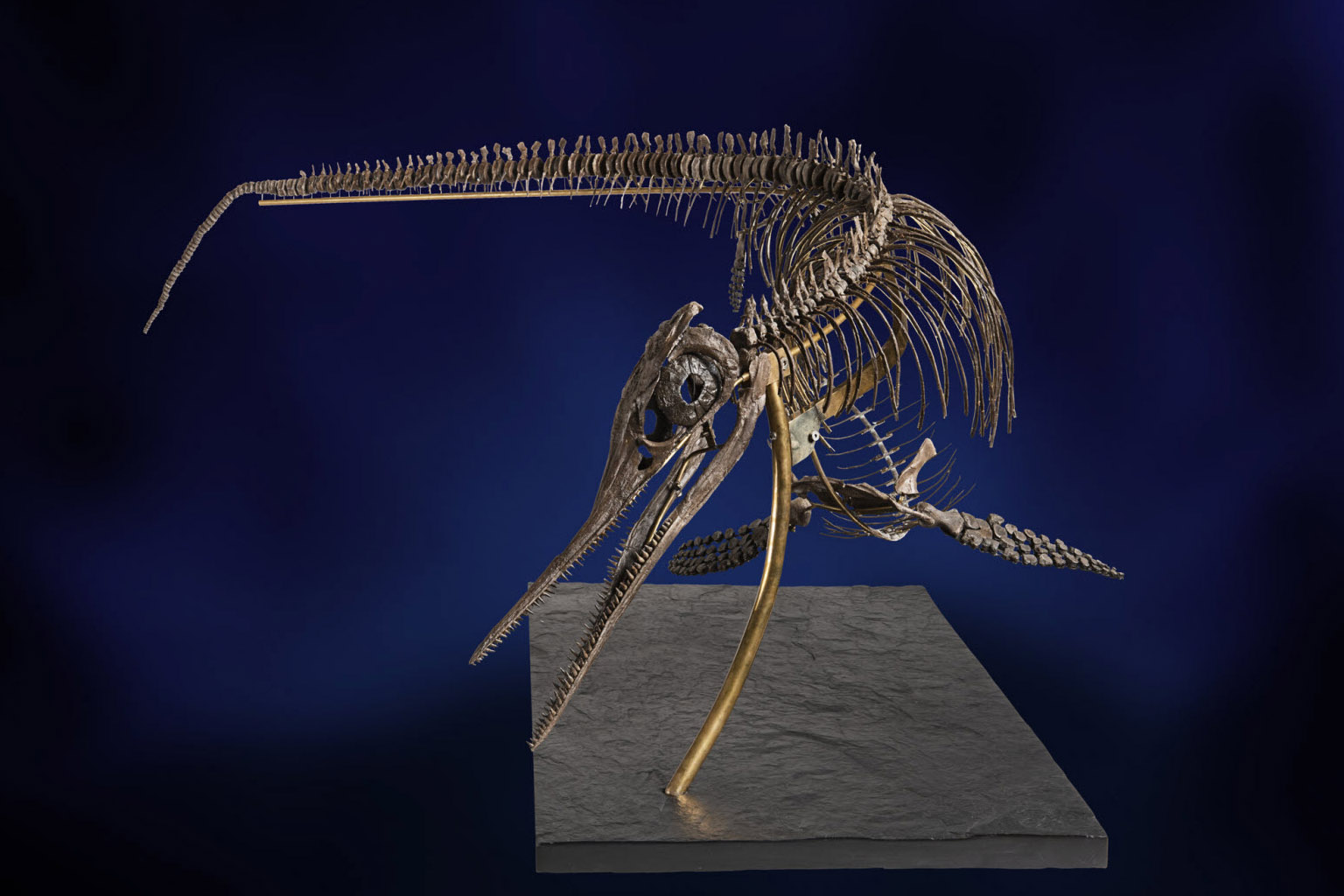
Imagine stumbling upon a time capsule from the deep past, one that hasn’t just frozen an ancient creature but captured an intimate moment of life. That’s exactly what researchers found with Fiona, a 131-million-year-old pregnant ichthyosaur fossil, revealing extraordinary details about marine reptiles long gone. The fossil doesn’t just tell a story of survival—it rewrites parts of our understanding of prehistoric ocean life.
Remarkable Preservation Unlocks Mysteries of Ancient Marine Worlds
Fiona’s fossil is an exceptional find in the paleontological world. This pregnant ichthyosaur was so well preserved that scientists could identify not only the unborn baby inside her womb but also the remains of her last meal—tiny fish lodged in her ribcage. According to Judith Pardo-Pérez, lead author of the study published in the Journal of Vertebrate Paleontology, this discovery provides an unmatched window into the paleobiology and paleoecology of these marine reptiles.
The specimen was painstakingly airlifted from Patagonia and transported to the Natural History Museum Río Seco in Chile, where an international team examined every detail using advanced medical imaging techniques. The quick burial of Fiona after she died—possibly after striking the seafloor—played a key role in preserving her skeleton intact, an extraordinary circumstance given that fossils this complete are incredibly rare.
Fiona: Apex Predator and Mother from a Lost Ocean
Fiona wasn’t just any marine reptile. She was an apex predator, ruling her oceanic ecosystem roughly 131 million years ago. Her discovery sheds light on crucial aspects of her life, including hunting behavior, migration, and reproduction. As Matt Malkowski, co-author of the study, notes, apex predators have a vested interest in certain ocean areas—places to hunt, reproduce, and safely raise their young.
“If you are the apex predator in the ocean at the time, these are all things you care about. You care about migration pathways. You care about places that you can hunt and fish and do your thing. You care about places where you can reproduce.” – Matt Malkowski
Studying Fiona allows scientists to track these ancient pathways and better understand the marine landscape during the Early Cretaceous period. This, in turn, informs us about how tectonic movements and environmental challenges shaped the lives and survival strategies of such creatures.
Insight into Ancient Oceanic Environments
The fossil provides more than just biological data—it opens a portal to the ancient ocean where Fiona lived. Researchers are conducting detailed geochemical analyses to reconstruct the ocean’s conditions, aiming to understand triggers for events like sediment rapid burial and even broader environmental shifts. These studies help uncover whether Fiona’s death was a singular tragic event or part of a series of ecological changes occurring in her marine habitat.
Malkowski explains, “We’re working on teasing out whether this is a single event or multiple events and what the triggers were.” This research ties into wide-ranging investigations about ancient mass extinction events and how they affected marine biodiversity long-term.
Pushing Science Forward with New Technologies
What makes Fiona truly stand out is how modern technology is reshaping paleontology. Using CT scans and other imaging tools, scientists can study her skeleton without damaging the fossil itself. This non-invasive approach offers fresh perspectives on ichthyosaur anatomy, revealing details that would have been impossible to see decades ago.
For example, the imaging highlighted the development stage of Fiona’s unborn infant and gave clues about her physiology. As Pardo-Pérez points out, “Its skeleton will allow us to delve deeper into aspects of its anatomy through new studies and the use of medical technology.” This suggests that Fiona’s fossil will keep inspiring research for years to come.
What Fiona’s Story Tells Us Today
Fiona’s fossil is not just about ancient history—it’s a bridge connecting us with Earth’s dynamic past and the complex interplay of life and environment. This discovery enriches our understanding of how marine ecosystems evolved, how apex predators functioned within them, and what challenges ancient animals faced.
Findings like these demonstrate the ongoing importance of paleontology and geology in piecing together the Earth’s history and informing conservation efforts today. After all, understanding resilience and extinction in the past can offer lessons for our planet’s future.
There’s still much to learn from Fiona’s fossil, and as technologies evolve and further investigations continue, this ancient mother still has many secrets to share.
What’s your take on Fiona’s incredible story? Have you ever encountered a surprising fossil find or been fascinated by prehistoric ocean creatures? Share your thoughts, experiences, or questions in the comments below—and let’s dive into the mysteries of the ancient seas together.