


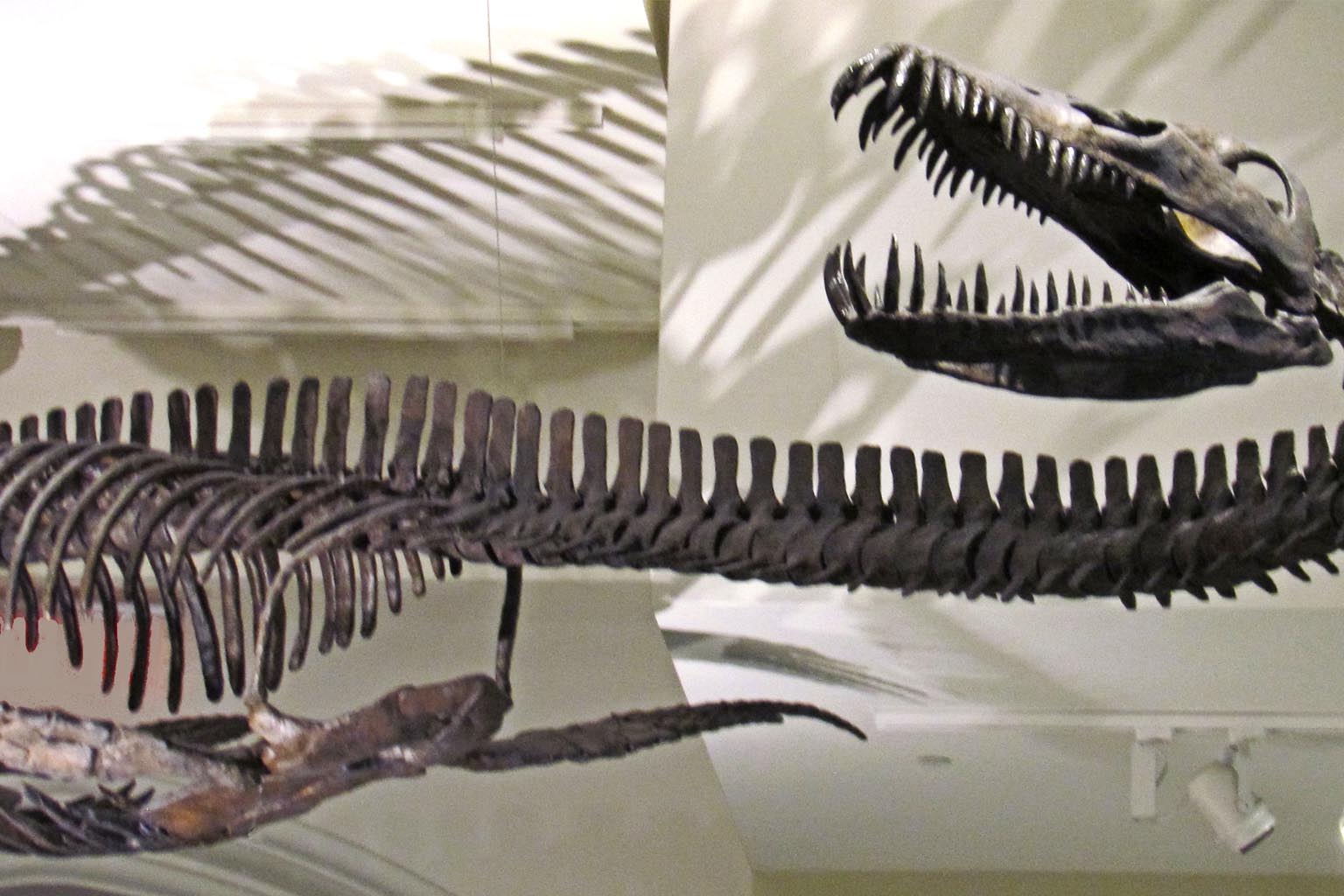
New discoveries have a way of shaking up our understanding of the past, and the recent identification of a new sea monster species in British Columbia does exactly that. This remarkable find is not only expanding our knowledge of ancient marine life but also challenging long-held scientific assumptions. Dive into the fascinating story of Traskasaura sandrae, a startling new species that is rewriting the history of marine reptiles from the Late Cretaceous period.
The Enigmatic Newcomer: Traskasaura sandrae
The species, named Traskasaura sandrae, represents a genus of elasmosaur, a group of marine reptiles known for their long necks and distinct hunting styles. Found in the Haslam Formation on Vancouver Island, British Columbia, these fossils have captivated scientists for decades. According to Professor F. Robin O’Keefe, lead author of the recent study published in the Journal of Systematic Paleontology, the fossils show “a very odd mix of primitive and derived traits,” especially in the shoulder structure, which differs from any plesiosaur previously documented.
The discovery is more than just a new name added to the paleontological record. It is a window into the complex evolutionary pathways marine reptiles in the Pacific Northwest might have followed. Measuring about 40 feet in length, Traskasaura hunted ammonites using strong, sharp teeth adapted to crushing hard shells — a clue to its unique feeding behavior.
Unique Adaptations Redefining Marine Reptile Ecology
What makes Traskasaura sandrae truly fascinating is its specialized hunting strategy. Unlike typical plesiosaurs, which are often thought to have relied on ambush or slow stalking techniques, this species may have hunted by diving from above to catch prey. This vertical hunting ability, made possible by its unusual shoulder anatomy, suggests a new ecological niche uncharacteristic for known elasmosaurids.
Experts believe this dynamic approach to hunting sheds light on how marine ecosystems functioned in the Late Cretaceous—a time when sea levels were high and biodiversity was flourishing.
From Fossil Mystery to Provincial Symbol
The saga of Traskasaura sandrae is also a story of community pride and scientific perseverance. The first fossils were uncovered in 1988 by Michael and Heather Trask along British Columbia’s Puntledge River. Over the ensuing decades, additional specimens, including juveniles, added depth to the scientific understanding of this genus.
In 2023, following public support and enthusiasm from local paleontology groups, Traskasaura sandrae was declared the official Provincial Fossil of British Columbia. This official status reflects not just its scientific importance but also the deep cultural connection the region has with its natural history. Professor O’Keefe noted, “It is always gratifying to discover something unexpected. Initially, I thought these fossils were related to Antarctic plesiosaurs, but my colleague Rodrigo Otero’s insights revealed a unique evolutionary story — a fascinating example of convergent evolution.”
The Broader Significance of This Discovery
Beyond the exciting specifics of Traskasaura itself, this discovery illustrates the power of integrating modern technology with classical paleontology. Advances in deep-ocean exploration and fossil analysis have unlocked chapters of Earth’s history previously inaccessible, proving that our planet’s past is still rich with surprises.
The study of this new sea monster underscores how much there is still to learn about ancient ecosystems and evolutionary biology. It also highlights the importance of protecting and studying fossil sites like Vancouver Island’s Haslam Formation, which continue to serve as treasure troves for understanding prehistoric life.
This finding encourages collaboration across disciplines and regions, reminding us that science is a constantly evolving narrative — one where every new discovery adds depth and color.
If this tale of ancient seas and mysterious predators intrigued you, don’t hesitate to share your thoughts or questions below. Your curiosity keeps the adventure of discovery alive!