


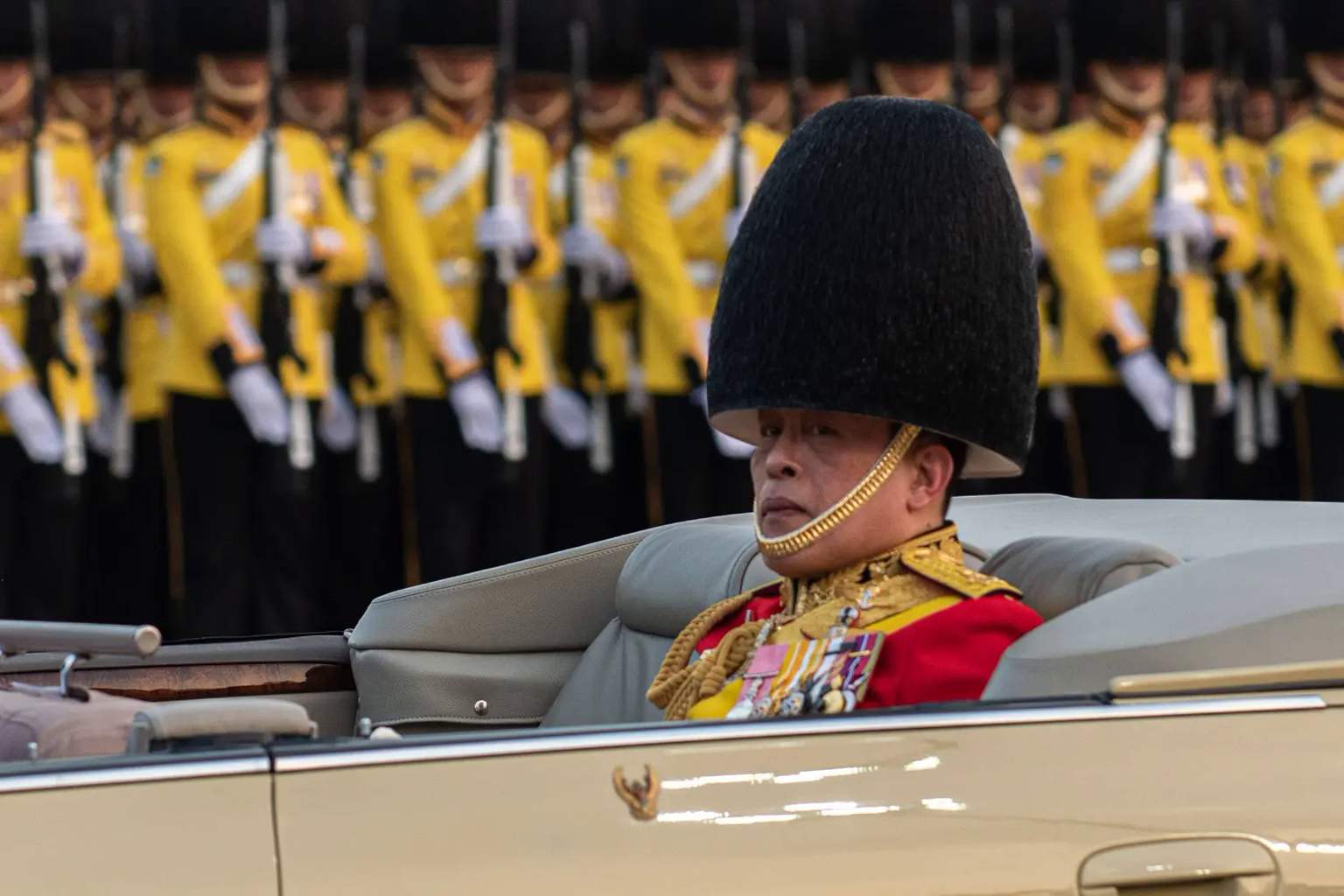
King Rama X of Thailand is not your typical monarch. With an astonishing fortune of $43 billion, he reigns supreme as the richest king in the world. Imagine owning 17,000 homes, 38 private jets, over 300 luxury cars, and a fleet of 52 yachts—a lifestyle that defies imagination and sets a new standard for royal opulence.
His rare public appearances, such as at Bangkok’s International Dance and Music Festival alongside Spanish opera legend Plácido Domingo, only add to the mystery and allure surrounding this modern-day king.
A vast empire rooted in inheritance and smart investments
Born Maha Vajiralongkorn, King Rama X ascended the throne on October 13, 2016, after the passing of his father, King Bhumibol Adulyadej. Beyond his royal title, he inherited an extraordinary portfolio from the Crown Property Bureau, the institution that managed the Thai monarchy’s assets until 2018. This portfolio includes an astonishing 6,560 acres of prime real estate and more than 40,000 leases nationwide, with 17,000 properties concentrated in Bangkok alone.
These properties aren’t just symbols of wealth; they generate massive rental incomes and provide the foundation for ongoing investments. The king’s financial reach extends into major sectors like telecommunications and real estate development, proving that his fortune is not merely inherited but actively nurtured and expanded. This combination of legacy and forward-looking strategy highlights his astute understanding of modern business dynamics.
Having visited Bangkok myself, I can attest to the overwhelming presence of luxury condominiums, commercial towers, and sprawling estates throughout the city. Knowing that so much of this is controlled by one individual transforms the urban landscape into a true kingdom within a kingdom.
A life shaped by education, military rigor, and royal traditions
King Rama X’s path to leadership was meticulously prepared through a blend of royal heritage and rigorous training. He studied at military academies in Australia and the United Kingdom and trained as both a fighter jet and helicopter pilot. His active participation alongside the Thai Royal Army cultivated his discipline and leadership skills, molding him into a formidable figure both on and off the throne.
Despite his stern military background, the king’s life is a fascinating mix of solemn tradition and luxury indulgence. He performs ceremonial duties in golden regalia and oversees royal events with unmatched grandeur. Yet behind the scenes, his private lifestyle is infused with extravagance that few can fathom.
Global luxury assets that mirror immense power
King Rama X’s opulence extends far beyond Thailand’s borders. His collection of 38 private jets enables seamless travel anywhere in the world, while his 52 luxury yachts host lavish ceremonies and international gatherings. His fleet of more than 300 automobiles, including rare classics and cutting-edge supercars, reflects both a passion for vehicles and a symbol of status.
This impressive portfolio isn’t just for show. It serves as a strategic tool to maintain the king’s economic and cultural influence. According to a Bloomberg report from January 2022, effectively managing these assets is crucial to preserving the monarchy’s legacy amid Thailand’s evolving economy. Wealth like this demands not only accumulation but also prudent stewardship.
The complex duality of a modern monarch balancing tradition and business
King Rama X personifies contrasts: he is deeply grounded in Thai cultural traditions while thriving as a savvy entrepreneur. His public image centers on royal ceremonies, but his extensive business ventures reflect a modern approach to wealth management that integrates inheritance with innovation.
This juxtaposition sparks debate across Thailand. Some admire his ability to adapt monarchy to contemporary economic realities; others question the implications of such concentrated wealth and influence. His story is a vivid reminder of how monarchy and capitalism can intersect—sometimes harmoniously, other times contentiously.
Whether you see him as a symbol of enduring legacy or a complex figure entwined with modern economics, King Rama X’s impact stretches well beyond traditional royal duties. His empire offers a revealing case study of leadership where wealth sustains power, and power shapes society.
What are your thoughts on this extraordinary blend of monarchy, modern business, and cultural heritage? Does his lavish lifestyle inspire awe or raise questions about economics and inequality? We invite you to share your insights and start a conversation below.