

Archaeological discoveries have a way of challenging our understanding of ancient civilizations, but few findings are as haunting as a recent burial uncovered in Ecuador’s Buen Suceso site. The remains of a pregnant teenager with deliberately removed limbs have opened a window into the darker aspects of pre-Columbian ritual practices, forcing researchers to confront uncomfortable questions about sacrifice, spirituality, and social control in ancient societies. Similar patterns of ritual control in ancient South American civilizations have been documented across the region, suggesting these practices may have been more widespread than previously understood.
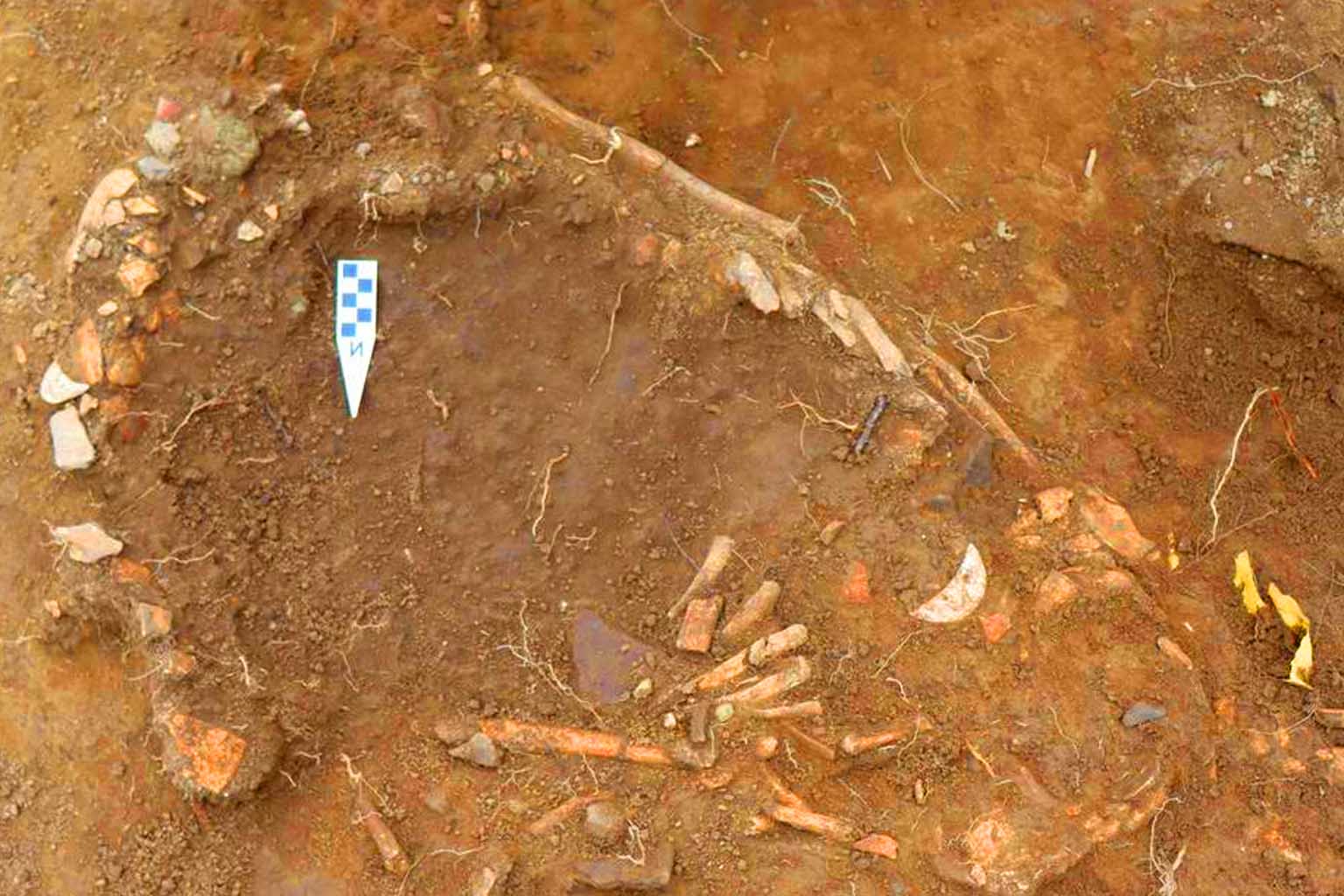
The burial, designated as Burial 10, dates to between AD 771 and 953 during the Manteño period. What makes this discovery particularly unsettling isn’t just the missing left leg and hands, but the careful arrangement of artifacts that suggests this wasn’t a random act of violence. The young woman, aged 17 to 20, carried a nearly full-term fetus when she died, adding layers of complexity to what researchers increasingly believe was a ritualistic killing.
The implications extend far beyond a single grave. This burial represents a collision of cultures in a region where Manteño and Valdivia traditions intersected, creating hybrid practices that may have included forms of human sacrifice previously undocumented in the archaeological record.
The Cultural Crossroads of Ancient Ecuador
The Buen Suceso site occupies a unique position in Ecuador’s archaeological landscape, straddling the territorial boundaries between the Manteño del Norte and the southern Huancavilca peoples. This liminal space created opportunities for cultural exchange, but also potential tensions that may have manifested in extreme ritual practices.
The Manteño civilization, which dominated Ecuador’s coast from AD 650 to 1532, was sophisticated in agriculture and trade networks. Yet regional variations existed, and the blending of traditions at sites like Buen Suceso suggests that cultural boundaries were more fluid than previously understood. The presence of both Manteño and much older Valdivia artifacts in a single burial points to deliberate symbolic choices that transcended simple chronological progression.
According to research on Pre-Columbian ritual practices, these cultural intersections often produced intensified ritual activities, as communities sought to navigate competing spiritual systems and social pressures. The extreme nature of Burial 10 may reflect such tensions, where traditional practices were amplified or distorted to serve new social needs, much like the psychedelic rituals used for social control in other ancient South American societies.
“Direct archaeological evidence of human sacrifice in Pre-Columbian societies reveals complex ritual landscapes that served both spiritual and political functions” – Archaeological research on Andean sacrifice practices
Reading the Body’s Story
The skeletal analysis reveals a life marked by hardship long before death. The young woman suffered from cribra orbitalia and porotic hyperostosis, conditions indicating chronic nutritional stress or repeated illness. Linear enamel hypoplasia in her teeth suggests periods of severe malnutrition during childhood, painting a picture of someone who lived on society’s margins.
These pathological markers raise questions about victim selection for ritual purposes. Was her compromised health status a factor in choosing her for sacrifice? Evidence from other pre-Columbian societies suggests that individuals with visible ailments were sometimes selected for ritual killing, believed to carry special spiritual significance or to serve as appropriate offerings to appease deities.
The post-mortem modifications tell their own story. Cut marks and deliberate fractures indicate the limbs were removed after death, suggesting this wasn’t combat-related mutilation but careful ritual dismemberment. The precision of these modifications implies specialized knowledge and possibly designated individuals responsible for preparing bodies for burial.
Decoding Unusual Burial Practices
The grave goods accompanying Burial 10 create a puzzle that archaeologists are still solving. The inclusion of chaquira beads, found in only one other Manteño burial, signals exceptional status or circumstances. More intriguing are the crescent-shaped spondylus shell masks and obsidian blades, artifacts unique to this burial and unlike anything found elsewhere in the region.
The green clay stone provides perhaps the most telling clue. This material held deep significance in Valdivia culture, associated with fertility and death transitions. Its placement with a pregnant woman suggests continuity in symbolic thinking across centuries, even as burial practices evolved dramatically. Archaeological perspectives on Andean ritual concepts indicate that such symbolic continuities were common across pre-Columbian societies, where ancient beliefs persisted even as political structures changed.
Spanish chroniclers documented human sacrifice among coastal Ecuadorian societies, though they never specifically mentioned limb removal. The Italian explorer Benzoni noted that sacrifices were conducted to appease gods or request divine intervention, lending historical context to what the archaeological evidence suggests happened at Buen Suceso.
The Medical Mysteries That Complicate Interpretation
The pregnancy itself introduces variables that mainstream archaeological analyses often overlook. Maternal mortality in pre-Columbian societies was significant, and distinguishing between death from complications and ritual killing becomes challenging when examining skeletal remains centuries later.
The presence of the cranial fragment from a second individual, aged 25-35, complicates the narrative further. Was this person killed simultaneously, or were these remains from an earlier burial disturbed and incorporated into the ritual? The taphonomic evidence remains inconclusive, leaving researchers to grapple with multiple possible scenarios.
Modern forensic techniques can identify trauma patterns and healing responses in bone, but they cannot always distinguish between ritual violence and other forms of death. The head trauma evident in the young woman’s remains might indicate the cause of death, but whether this occurred during sacrifice or from other circumstances remains debatable. This uncertainty reflects broader challenges in interpreting ancient violence through contemporary analytical frameworks, similar to the complexities researchers face when studying hallucinogens for social control in ancient civilizations.
“Interpretations of the archaeological record in the late Pre-Columbian Andes must account for complex ritual and social systems that often defy modern understanding” – Archaeological research on Andean concepts
The discovery at Buen Suceso forces us to confront the darker realities of human behavior across cultures and time periods. While we may never fully understand the specific circumstances that led to this young woman’s death, her burial continues to reveal the complex intersection of power, spirituality, and social control in ancient societies. The questions raised by her remains remind us that our ancestors’ relationship with life and death was far more nuanced and sometimes disturbing than we might prefer to acknowledge.