


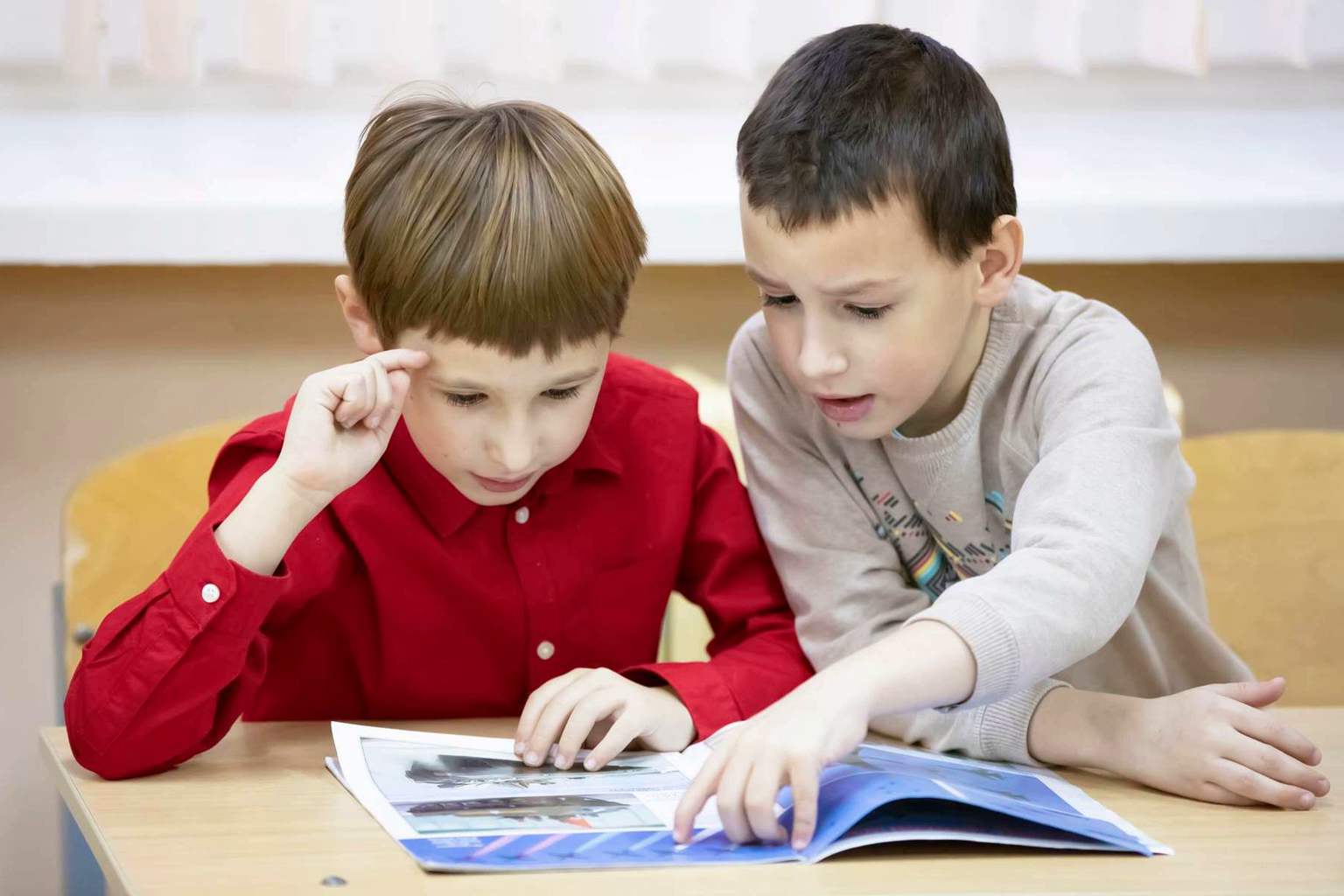
In a quiet town where young minds often exceed expectations, the story of a four-year-old boy with extraordinary abilities is capturing hearts and minds. Bound by neither age nor convention, this young prodigy’s refusal to return to school after public criticism by a teacher shines a spotlight on the urgent need for understanding and support for gifted children within our education system.
Recognizing Exceptional Abilities in Young Children
This little boy’s journey began when he enrolled in school at just four years old, already displaying a remarkable command of language and complex verb tenses that left his peers and teachers astonished. Notably, he joined the school in November 2024, as the youngest student in his class. His early education was marked by challenges—his high intellectual potential clashed with a curriculum designed for average development, failing to engage him meaningfully.
Mariette Bousquet, the school’s headteacher, points out, “Children with high potential often showcase an advanced vocabulary and deep understanding early on.” This boy’s finesse with language and other subjects quickly outpaced his classmates, illustrating the gap between his abilities and the school’s standard practices. Such disparities underscore a larger issue in education: many systems are not adequately prepared to meet the needs of exceptionally gifted children.
A Family’s Commitment to Nurturing Talent
Aware of these challenges, the boy’s family took proactive steps to create a supportive environment that complemented his school experience. They adjusted their schedules to allow afternoon pickups, providing him with a more balanced routine that respected his needs. This decision acknowledged the crucial role families play when navigating educational adaptations for gifted children.
By early 2025, the boy’s exceptional talents became impossible to ignore. Bousquet fondly recalls, “His handwriting was flawless—better than many of the older children’s.” This anecdote highlights not only his innate skills but also how supportive environments can help foster and reveal a child’s true potential.
Unveiling Hidden Skills and Challenging Misconceptions
One of the most striking facets of this child’s story is how his abilities surfaced in unexpected ways. Though not yet formally instructed in reading, he would effortlessly correct letter confusions among first graders. In math, his analytical skills were far beyond typical expectations for a child his age.
Unfortunately, his earlier educational settings failed to recognize these strengths. Bousquet shares how a previous teacher relegated him to repetitive, menial tasks like tracing dotted lines, viewing him as a “bad” student—a label that belies his capacity and potential. This misjudgment demonstrates the danger of one-size-fits-all assessments and the critical importance of honoring individual learning trajectories.
This reflection aligns with findings from educational psychology experts who emphasize that traditional classroom structures often overlook or misread giftedness, leading to underachievement or disengagement among gifted children. According to a report by the National Association for Gifted Children, personalized instructional strategies are vital to prevent frustration and foster growth.
Championing Personalized Education and Support
Stories like this four-year-old’s remind us that nurturing gifted children demands more than standard curricula—it requires a collaborative effort between parents, educators, and the community. Recognizing a child’s exceptional abilities is not merely an affirmation; it is a gateway to unlocking their full potential.
Educators are increasingly calling for tailored approaches that adapt to each child’s unique skills and emotional needs. This child’s experience invites reflection on how schools can evolve to meet these demands more effectively, creating spaces where exceptional minds can flourish rather than wither.
Dr. Lisa Nguyen, an educational psychologist, explained in a 2024 study that “gifted children benefit most when supported by flexible learning environments that recognize their rapid pace of development and emotional complexity.” Such expert insights reinforce the importance of situating gifted learners within frameworks that celebrate and challenge them appropriately.
As we reflect on this young boy’s journey, his story becomes a powerful emblem of the broader conversation about gifted education. It calls on us all—parents, teachers, caregivers, and policymakers—to listen more intently, adapt thoughtfully, and act compassionately.
What are your experiences or thoughts on nurturing gifted children? How can communities work together to better support unique talents? Share your insights and stories in the comments below. Your voice matters in shaping the future of education for all exceptional learners.