


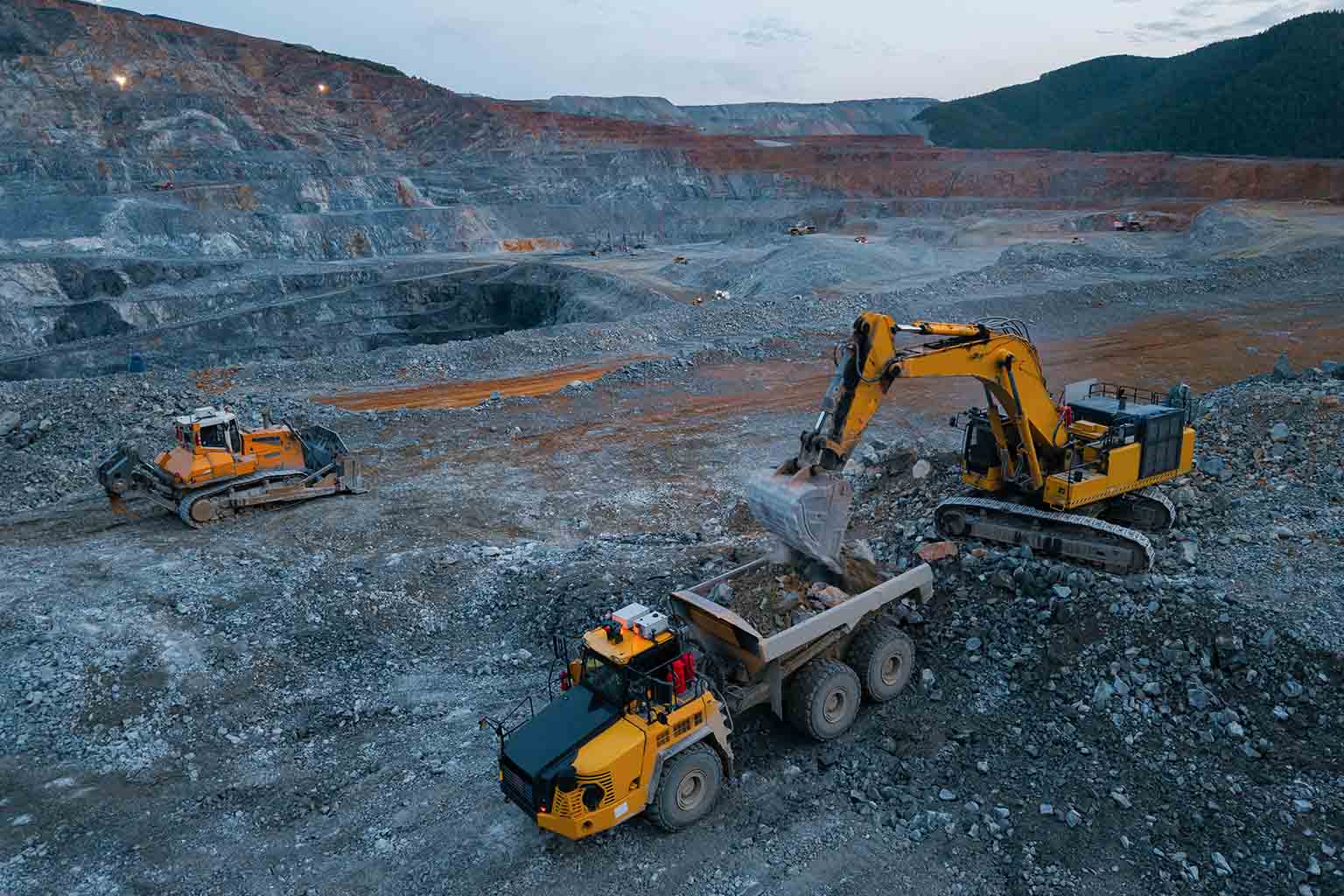
In a world where the **geopolitical landscape** is constantly shifting, a single discovery has the power to redraw maps and rewrite futures. China has stumbled upon an astonishing 20-million-tonne copper deposit in the Qinghai-Tibet Plateau, and if you’re thinking this is just another news headline, think again. This revelation is stirring excitement — and unease — in markets far and wide, especially in Chile, a country that has, for decades, reigned supreme as the king of copper.
China’s Game-Changing Discovery
China officially announced this remarkable find on January 6, 2025, with an authoritative nod from its Ministry of Natural Resources and the National Geological Bureau. The sheer scale of this copper reserve isn’t just impressive; it’s potentially **market-altering**. More than a mere number, 20 million tonnes embodies a seismic shift in global supply chains. Can you imagine the kind of leverage it could give China on the world stage?
According to a ChinaDaily report, the new reserve could significantly cut China’s reliance on copper imports. With **domestic industries** now poised for cheaper access, China might soon dominate not just production but also the intricate web of global trade relations. The world is watching, and the stakes are higher than they’ve been in years.
The Ripple Effect in Chile
So, what does this mean for Chile, the world’s copper stalwart? For years, Chile’s copper mines have been unshakable pillars of the national economy, bolstering GDP and delivering vital exports. But China’s discovery might be more than a hiccup for Chile—it could be a roaring tidal wave.
Industry leaders in Santiago are raising alarms. A sudden global influx of copper could do what previous economic challenges didn’t: drive down prices, posing a grave threat to the mining sector. Companies like Codelco, the Chilean state-owned mining behemoth, might find themselves scrambling to maintain profitability. Foreign investors could become skittish, and without pivoting strategies fast, the economic forecast could dim.
Many in the industry fear potential job losses, and some economic analysts are pressing for government actions, such as **fair trade agreements** or policy shifts, to mitigate these impending disruptions.
Expectations for the Global Market
When it comes to the global copper market, we are all tied up in this tangled web. Copper is an indispensable part of everything from electronics to green technology. A sudden twist in its supply chain can send ripples—or temporary tidal waves—across industries.
Institutions like the World Bank and the International Copper Study Group are keeping a close eye on these developments. The potential abundance of copper might benefit industries craving cheaper raw materials, possibly ushering in more affordable tech gadgets and renewable energy solutions. But countries that have heavily banked on **copper exports**, such as Peru and Chile, may face a rocky path with unstable revenues and economic turbulence looming overhead.
What Comes Next?
The truth is, no one can say with absolute certainty how this will all unfold, and honestly, it’s a cliff-hanger that leaves many on edge. Will Chile adapt and thrive, or will it falter under the pressure? Could this spark new alliances or reignite old rivalries on the global stage? Only time will tell how the chess pieces will move in this high-stakes game.
Meanwhile, the rest of us can only ponder: Is this the dawn of a new era for copper, or merely a fleeting moment in a long history? It’s the kind of question that doesn’t just concern economists or traders but intertwines with our daily lives, whether we realize it or not.
Let’s wait and see, but one thing’s for sure — the copper industry will never look quite the same. If you found this story captivating, keep following for updates, expert insights, and riveting analyses. Because, after all, in today’s interconnected world, what happens in the mines has an uncanny way of impacting us all.