


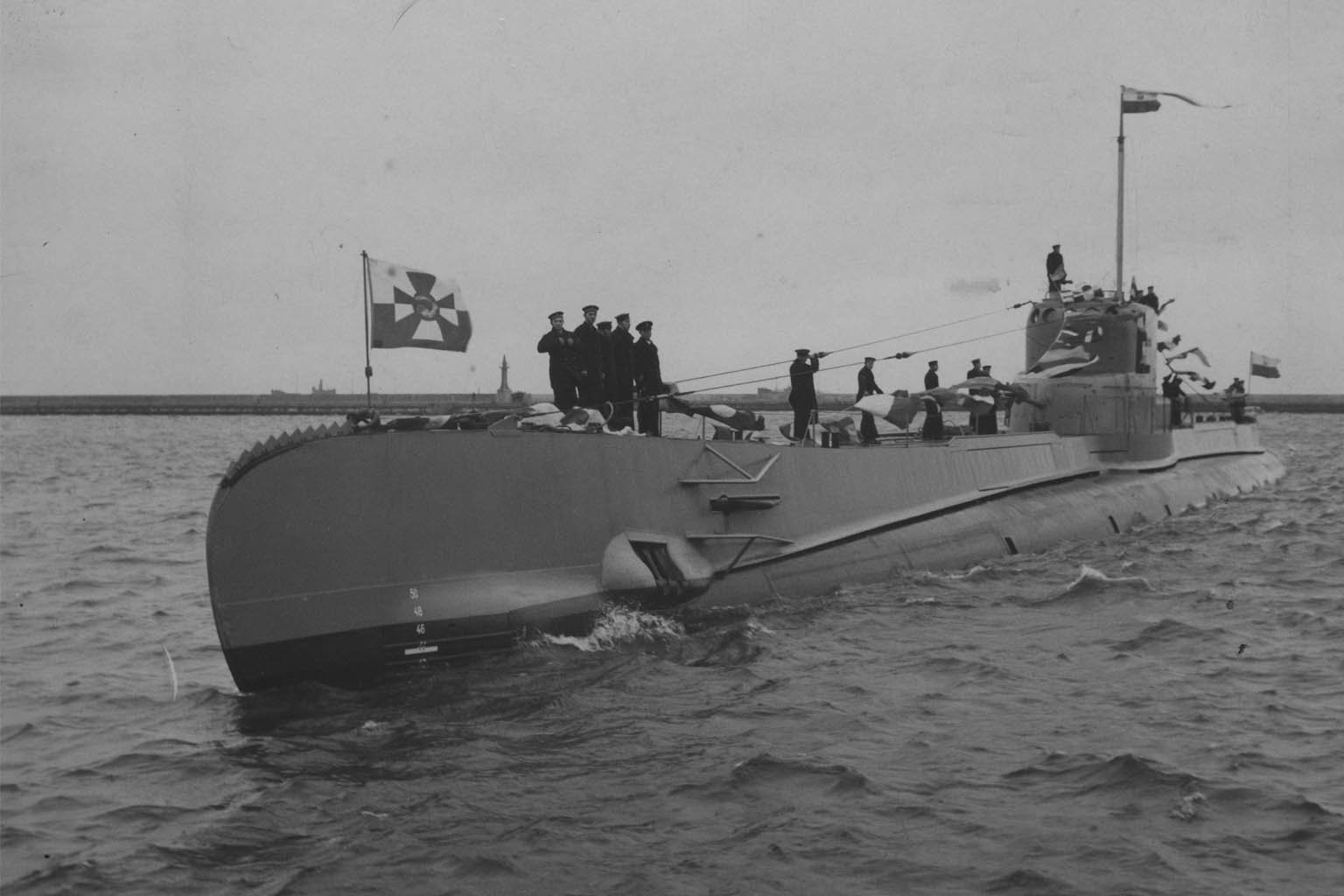
The discovery of a Brazilian warship resting 40 meters beneath the South Atlantic’s surface tells a story that extends far beyond a single torpedo strike in 1944. When fisherman’s nets first snagged on the wreckage in 2011, few could have imagined that this underwater obstruction would eventually unlock a deeper understanding of Brazil’s complex wartime experience and its often-overlooked naval sacrifices during World War II. Much like how archaeological discoveries at Tikal reveal ancient cultural conflicts, this underwater find illuminates forgotten aspects of historical warfare.
The Vital de Oliveira represents more than just another casualty of German U-boat warfare. Its identification after nearly eight decades submerged reveals how peripheral nations like Brazil became critical players in global conflict, transforming from neutral observers to active participants whose merchant marines and naval forces bore the brunt of Axis aggression in unexpected theaters of war.
The lengthy process of confirming this wreck’s identity reflects broader challenges in documenting wartime losses outside major naval powers. While the initial discovery occurred in 2011, official verification only came in January 2025, highlighting how historical records of smaller navies often lack the comprehensive documentation that makes identification straightforward.
The Strategic Importance of Brazilian Waters
Brazil’s entrance into World War II stemmed from economic necessity rather than ideological fervor. When Japanese expansion severed Pacific rubber supply routes, Brazil’s natural rubber production became strategically vital to Allied operations. The 1940 Volta Redonda steel mill agreement with the United States formalized this economic partnership, but it also painted a target on Brazilian shipping.
German U-boat commanders recognized that disrupting Brazilian supply lines could cripple Allied logistics across multiple theaters. The South Atlantic became a hunting ground where submarines could strike at relatively undefended merchant vessels and auxiliary warships like the Vital de Oliveira, originally a civilian ship pressed into military service in 1910.
The U-861’s torpedo attack on July 19, 1944 demonstrated how effectively German submarine warfare extended beyond the North Atlantic convoy routes. This attack occurred during a period when many assumed the U-boat threat had diminished, yet Brazilian waters remained dangerous until the war’s final months.
Beyond the Smoking Snakes Brigade
While Brazil’s expeditionary force in Italy garnered international attention, the country’s naval contributions remained largely invisible to global audiences. The Vital de Oliveira represented Brazil’s broader naval mobilization, converting civilian vessels into auxiliary warships to patrol coastal waters and escort supply convoys.
This conversion process exposed fundamental vulnerabilities in Brazil’s naval defense capabilities. Ships like the Vital de Oliveira lacked the armor, speed, and defensive systems of purpose-built warships, making them particularly susceptible to submarine attacks. The loss of nearly 100 crew members from a complement of 270 illustrates the devastating impact of torpedo strikes on these converted vessels.
The broader scope of German attacks against Brazilian shipping tells a more complete story. Thirty-four Brazilian merchant ships fell victim to U-boat attacks, creating a maritime casualty rate that pushed Brazil from reluctant participant to committed Allied partner seeking revenge against Axis forces. According to research from The National WWII Museum, Brazil’s military casualties reflected the significant toll of naval warfare on smaller Allied nations.
“Brazil’s naval losses during World War II demonstrate how peripheral nations bore disproportionate casualties relative to their military capacity” – National WWII Museum research
The Technical Challenge of Deep-Sea Archaeological Verification
The decade-long identification process reveals complexities that escape typical historical narratives about shipwreck discoveries. Multibeam and side-scan sonar technology used by the research vessel in 2025 provided conclusive evidence, but earlier investigations relied on visual inspection by recreational divers who lacked specialized equipment for comprehensive archaeological documentation. Similar to how LiDAR technology revolutionized archaeological surveys of ancient fortifications, advanced sonar systems have transformed underwater archaeology.
Professional maritime archaeologists face unique challenges when working with wartime wrecks in international waters. Unlike terrestrial archaeological sites, underwater locations require expensive technology and weather-dependent operations that can delay verification for years. The Vital de Oliveira’s relatively shallow depth of 40 meters made eventual identification feasible, but many deeper wrecks may never receive proper archaeological attention.
The ironic use of a research vessel also named Vital de Oliveira for the final identification creates a symbolic connection between past loss and present discovery, though such coincidences also highlight how few resources Brazil has dedicated to systematic maritime archaeology compared to European nations with larger naval histories.
The Often Overlooked Psychological Impact on Neutral Nations
The sinking of the Vital de Oliveira represented more than a military loss; it symbolized how global warfare inevitably draws supposedly neutral nations into conflicts they neither initiated nor desired. Brazil’s transformation from peaceful trading partner to active combatant illustrates psychological pressures that affected numerous Latin American countries during the war. Just as ancient narrative artwork reveals human responses to conflict, wartime records show how nations process traumatic maritime losses.
Research in conflict psychology suggests that nations experiencing direct attacks on their civilian and military vessels undergo rapid shifts in public opinion toward supporting military engagement. The Brazilian public’s reaction to submarine attacks on their ships mirrored similar patterns seen in other countries that entered the war following direct attacks on their territory or vessels.
The naming of the warship after Captain Manoel Antônio Vital de Oliveira, killed during the 1867 Paraguayan War, connected World War II losses to Brazil’s earlier military sacrifices, creating historical continuity that helped justify the country’s expanding wartime role to skeptical domestic audiences. This practice of honoring fallen military leaders through vessel naming reflects broader patterns of how societies preserve military memory, much like how ancient burial sites reveal early human cultural practices surrounding death and remembrance.
Today’s discovery of the Vital de Oliveira raises questions about how many similar stories remain hidden beneath the world’s oceans, waiting for advancing technology and historical curiosity to bring them back to light. The wreck serves as both grave marker and historical document, preserving evidence of Brazil’s wartime experience while challenging assumptions about which nations truly bore the costs of global conflict.