


In the heart of Transylvania’s Breaza, there’s an enchanting tale unfolding—one that dances between mystery and history. Imagine stumbling upon a treasure chest that whispers secrets of a bygone era. That’s what happened when two metal detectorists unearthed a trove of ancient Dacian artifacts, sparking a flurry of excitement among historians and locals alike.
This discovery isn’t just about glittering silver and intricate craftsmanship; it’s a bridge to the past, illuminating the lives of Dacian nobility. So what does this mean for the history of the region? Let’s delve into the details.
The First Glimpse into Dacian Aristocracy
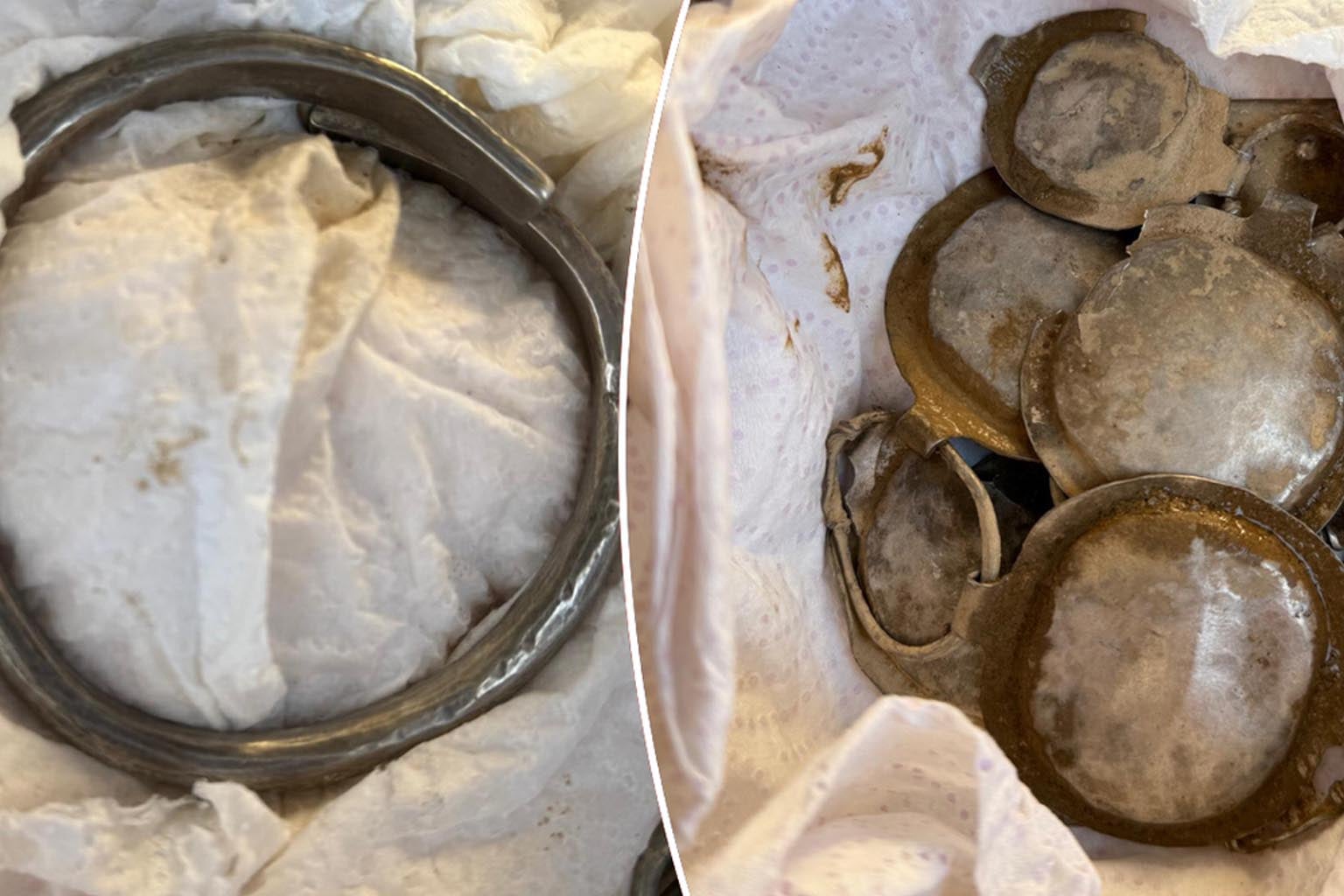
The moment CBS News verified the find, it was clear this wasn’t just an ordinary discovery. Among the precious items were silver brooches, a bracelet adorned with plant motifs, a delicate chain necklace, and a belt of circular pendants. These exquisite artifacts suggest they belonged to someone of considerable status—a Dacian aristocrat, perhaps. This offers a rare glimpse into the opulent lives of those who once walked the lands of Breaza, a life that was largely a mystery until now.
But why were these treasures buried in the first place? Was it a ritualistic offering to forgotten deities or a hurried attempt to hide them during times of strife? The latter seems probable, considering the storied history of invasions and conflicts that have swept over these lands. What’s clear is that the reasons behind their burial remain an intriguing enigma.
Unraveling the Legends of Dacian Life
Daniel Ciota, an archaeologist from the Mureș County Museum, has been vocal about the significance of these findings. According to him, the jewelry reflects their owner’s lofty status, suggesting the spectrum of Dacian society was more structured and complex than previously imagined. “It’s a discovery that reshapes our understanding,” Ciota noted, hinting at new chapters of history waiting to be explored.
What’s fascinating is that this find serves as the first physical evidence of the Dacians living in Breaza—a region previously devoid of such historical footprints. It’s a breakthrough that doesn’t just rewrite textbooks but also reshapes regional identity, encouraging residents to deeply cherish and protect their shared heritage.
Transylvania’s Cultural Renaissance
“This is more than just metal and stones; it’s our connection to the past,” proclaimed the town of Breaza in a heartfelt social media post. There’s a palpable pride in the air—an enthusiasm that’s contagious as families gather around to discuss tales of ancient warriors and noblemen. It’s the type of discovery that isn’t just academically rich but culturally nourishing. It encourages townspeople to celebrate and safeguard their unique regional heritage, passing it down to future generations with renewed vigor.
Archaeologists are far from finished with this site. As they meticulously sift through layers of earth, they hope to uncover more about the daily life, trade connections, and societal structures of the Dacians. Perhaps even discovering the settlement where these treasures were once part of life’s daily tapestry—a mystery that could open doors to understanding Dacian civilization’s broader Mediterranean connections.
A New Era of Archaeological Exploration
This find doesn’t simply captivate with tales of wealth and affluence. It’s a lens through which we can explore ancient culture, potentially providing insights into Dacian social hierarchies, daily rituals, and even their spiritual beliefs. The significance of this discovery stretches far beyond the borders of Breaza or even Transylvania, posing questions that stretch into the broader narratives of European history.
Interestingly, the timing couldn’t be better. Interest in ancient societies is surging, with documentaries and historical series inviting viewers into the worlds of civilizations long gone but far from forgotten. This treasure, nestled in the forgiving soil of Breaza, has the potential to become a key part of that storytelling.
As the world watches, all eyes are on Breaza and its newfound historical treasure. Will the soil reveal more secrets? Only time will tell. But what’s certain is that this discovery marks just the beginning of an exciting journey into the unexplored saga of the Dacians.
Don’t miss out on the chance to be part of this unfolding history—follow the live discoveries and join the conversation about what these artifacts tell us about a time forgotten. Curious to learn more? Visit Archaeology Magazine for updates and delve into the captivating world of ancient treasures.