


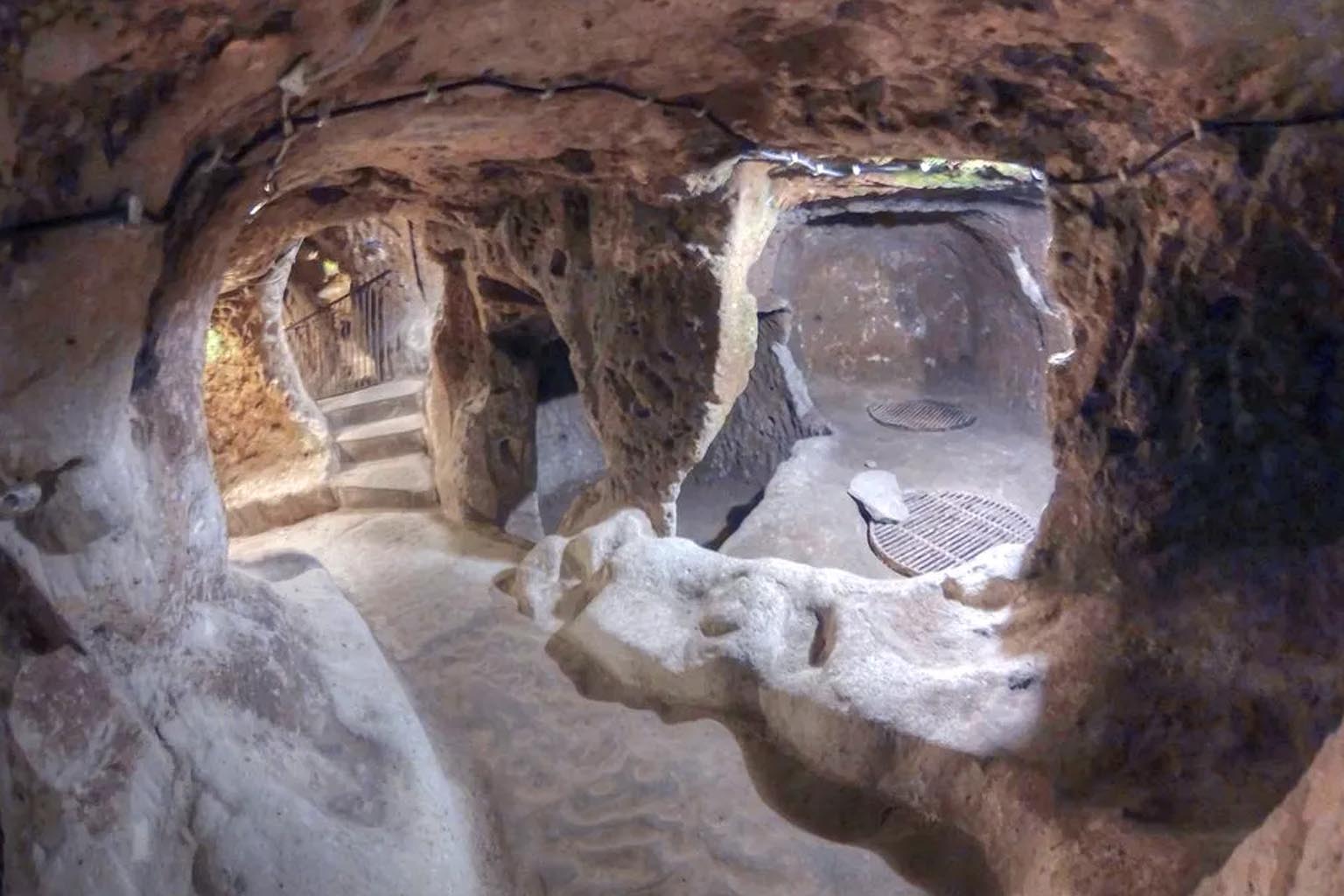
In the heart of England, beneath the bustling streets of Nottingham, an extraordinary world lies hidden, steeped in mystery and history. Imagine this: you’re walking through the same city once magnificent with Robin Hood folklore, but little do you realize the marvels beneath your feet. Recently, yet another layer of this underground maze has been brought to light, offering tantalizing glimpses into times long past.
The Rich Tapestry of Nottingham’s Caves
Nottingham, often romanticized for its ties to Robin Hood, boasts something as intriguing as its legendary tales — the UK’s largest network of caves. These caves, intricately carved into the city’s soft sandstone bedrock, trace back to the 9th century AD. Who could have guessed that beneath this modern city lies such a vast network of history? According to HeritageDaily, these subterranean chambers are far more than relics; they provide a fresh lens into medieval life, revealing how people lived, worked, and perhaps even how they forged legends.
Expanding the Rediscovery
For years, Nottingham’s underground passages have been whispered about, with many entranceways sealed or concealed as the city swelled upwards. This concealment was exacerbated by the St. Mary’s Nottingham Inclosure Act of 1845, which barred these spaces from being leased for housing the poor. Fascinating, isn’t it? A city expanding but hiding away its own stories. It wasn’t until 2009 that efforts to formally document these caves started — back then, only 425 caves were known.
Since then, the tireless work led by Scott Lomax, the city archaeologist at Nottingham City Council, has drastically altered our understanding. “Through research and archaeological investigations,” Lomax shares, “more caves have been found than expected—including some thought to have been destroyed by 20th-century development. With continued work, I am confident we will eventually surpass 1,000 recorded caves.” This commitment to unearthing once-lost caves significantly bolsters Nottingham’s narrative as a city built as much below as above ground.
Remarkable Revelations and Their Resonance
The newest chapter in this ongoing story unfolded during roadworks at an unassuming spot, the former Bass, Ratcliffe, and Gretton Brewery in Burton-on-Trent. Workers stumbled upon a cave measuring an impressive 56 feet in length and 13 feet in width, accessed by a circular shaft — and if you close your eyes, you can almost hear the echoes of history within those walls. Each newly documented cave not only enhances Nottingham’s reputation as Europe’s most cave-rich city but deepens our appreciation of its historical landscape.
Lomax emphasizes the importance of these discoveries: “It is essential that we know where Nottingham’s caves are so they can be protected during development and, where possible, made accessible and brought back into use. These caves are an important part of our city’s history, and by identifying them, we can ensure they are preserved and appreciated rather than lost or damaged.” It’s not just about finding caves; it’s about what these spaces mean for identity, preservation, and legacy.
Custodians of a Hidden Heritage
As each discovery unfolds, the commitment to preserving Nottingham’s buried history strengthens. These caves, many dating back to medieval times, are invaluable both historically and culturally. They represent a tapestry of human endeavor and resilience, often overlooked in the ceaseless rush of present times.
With ongoing excavations and protection, the city ensures that Nottingham’s subterranean heritage doesn’t just fade into the annals of time. It’s like piecing together a jigsaw puzzle that speaks — each fragment contributing to a story of life, connection, and survival. Nottingham, through its preservation efforts, offers future generations a tangible link to the past, preserved in stone and shadow.
Why not dive deeper into the hidden history of Nottingham? Explore and be amazed at what this incredible network of caves can reveal. Discover these ancient echoes today, and bring a piece of the past alive once more.