


Denmark’s archaeological landscape has just become significantly more intriguing. A team of researchers working in Aars, North Jutland, has uncovered what appears to be an ancient timber circle that challenges our understanding of prehistoric European connections. The discovery, led by archaeologist Sidsel Wåhlin, reveals a 30-meter diameter oval structure composed of 45 wooden posts, dating back somewhere between 2600 and 1600 BC.
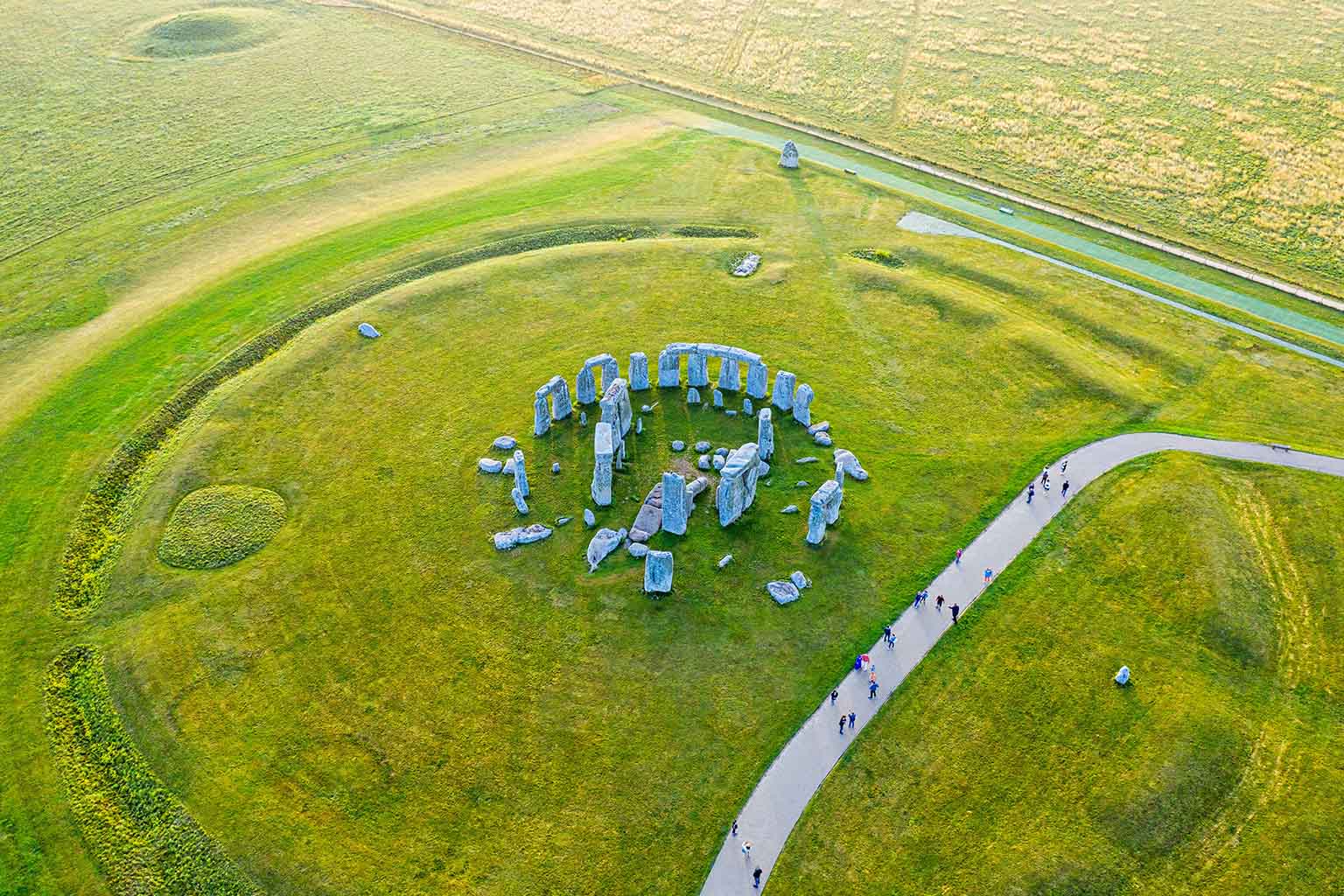
This isn’t simply another ancient monument. The structure’s design and apparent purpose mirror characteristics found at Britain’s famous Stonehenge, suggesting that our ancestors maintained far more sophisticated communication networks than previously assumed. The implications extend beyond mere architectural similarities – they point toward shared belief systems and ritualistic practices that transcended geographical boundaries during Europe’s Bronze Age period, similar to patterns observed at other ancient European societies across the continent.
The Danish discovery forces us to reconsider how isolated these ancient communities actually were, and whether the transfer of sacred knowledge across vast distances was more common than archaeological evidence has previously suggested.
Celestial Alignment and Sacred Purpose
The timber circle appears deliberately oriented toward celestial movements, indicating its primary function as a ritual center for sun worship and agricultural ceremonies. This alignment isn’t coincidental – it represents sophisticated astronomical knowledge that required generations of careful observation and mathematical understanding.
Wåhlin’s team discovered that the structure follows construction principles remarkably similar to those used at Stonehenge. The precision required to create such alignments suggests these weren’t simple gathering places but complex ceremonial sites that served specific spiritual and practical purposes for their communities, much like the 5,000-year-old fire altar discovered in Peru’s Supe Valley, which also demonstrates sophisticated ceremonial architecture from ancient civilizations.
The Danish woodhenge likely functioned as a focal point for seasonal celebrations, agricultural planning, and religious observances. These activities would have been central to Bronze Age society, where the success of crops and livestock directly determined community survival.
Evidence of Cross-Cultural Exchange
Perhaps the most fascinating aspect of this discovery lies in what it reveals about ancient European connectivity. The similarities between the Danish structure and British henges suggest that knowledge transfer occurred across the North Sea during prehistoric times, indicating trade routes and cultural exchanges that were far more extensive than previously documented.
Research into Bronze Age societies has consistently shown evidence of long-distance trade networks, but this discovery provides concrete proof that these connections included the sharing of sacred architectural knowledge. The construction techniques, spatial arrangements, and ceremonial purposes appear to follow established patterns that were somehow transmitted between distant communities, paralleling discoveries at sites like the Tikal archaeological site where cultural exchanges between distant civilizations shaped religious practices.
This cultural diffusion implies that ancient European societies maintained regular contact through maritime routes, sharing not just goods but fundamental concepts about spirituality, astronomy, and community organization. The shared worldview that Wåhlin describes suggests a level of cultural sophistication that challenges traditional assumptions about prehistoric isolation.
Archaeological Methodology and Dating Precision
The team’s approach to uncovering and analyzing the site demonstrates how modern archaeological techniques can reveal previously hidden connections between ancient civilizations. The dating methodology employed places the structure’s construction within a specific timeframe that corresponds with other European megalithic sites, strengthening the case for coordinated cultural development.
Carbon dating of the wooden posts, combined with analysis of surrounding artifacts and soil composition, provides a detailed timeline of the site’s use and eventual abandonment. This scientific precision allows researchers to correlate the Danish discovery with similar structures across Europe, building a more comprehensive picture of Bronze Age society, much like findings at the Somló Hill discovery in Hungary, which revealed extensive Bronze Age cultural networks.
The preservation of organic materials in Denmark’s soil conditions has yielded exceptionally detailed information about construction techniques, seasonal usage patterns, and the eventual decline of the site’s ceremonial importance.
The Ritualistic Landscape Nobody Discusses
What conventional archaeological analysis often overlooks is the profound psychological impact these structures would have had on the communities that built and used them. The collective effort required to construct such monuments created social bonds that extended far beyond the physical labor involved.
These timber circles weren’t just astronomical tools or religious centers – they were community identity markers that required sustained cooperation across multiple generations. The planning, resource allocation, and maintenance of such structures demanded sophisticated social organization and shared commitment to long-term goals that individual families couldn’t achieve alone.
The psychological effect of participating in ceremonies within these carefully constructed spaces would have reinforced social hierarchies, seasonal rhythms, and cultural continuity in ways that modern society struggles to comprehend. The sensory experience of ritual participation within these aligned structures likely created profound spiritual experiences that validated the enormous investment required for their construction.
This discovery in Denmark opens new questions about how our ancestors understood their place within both earthly and cosmic order. The sophistication required to maintain these cultural connections across such vast distances suggests that Bronze Age Europeans possessed organizational capabilities and spiritual insights that continue to influence how we understand prehistoric human development.