


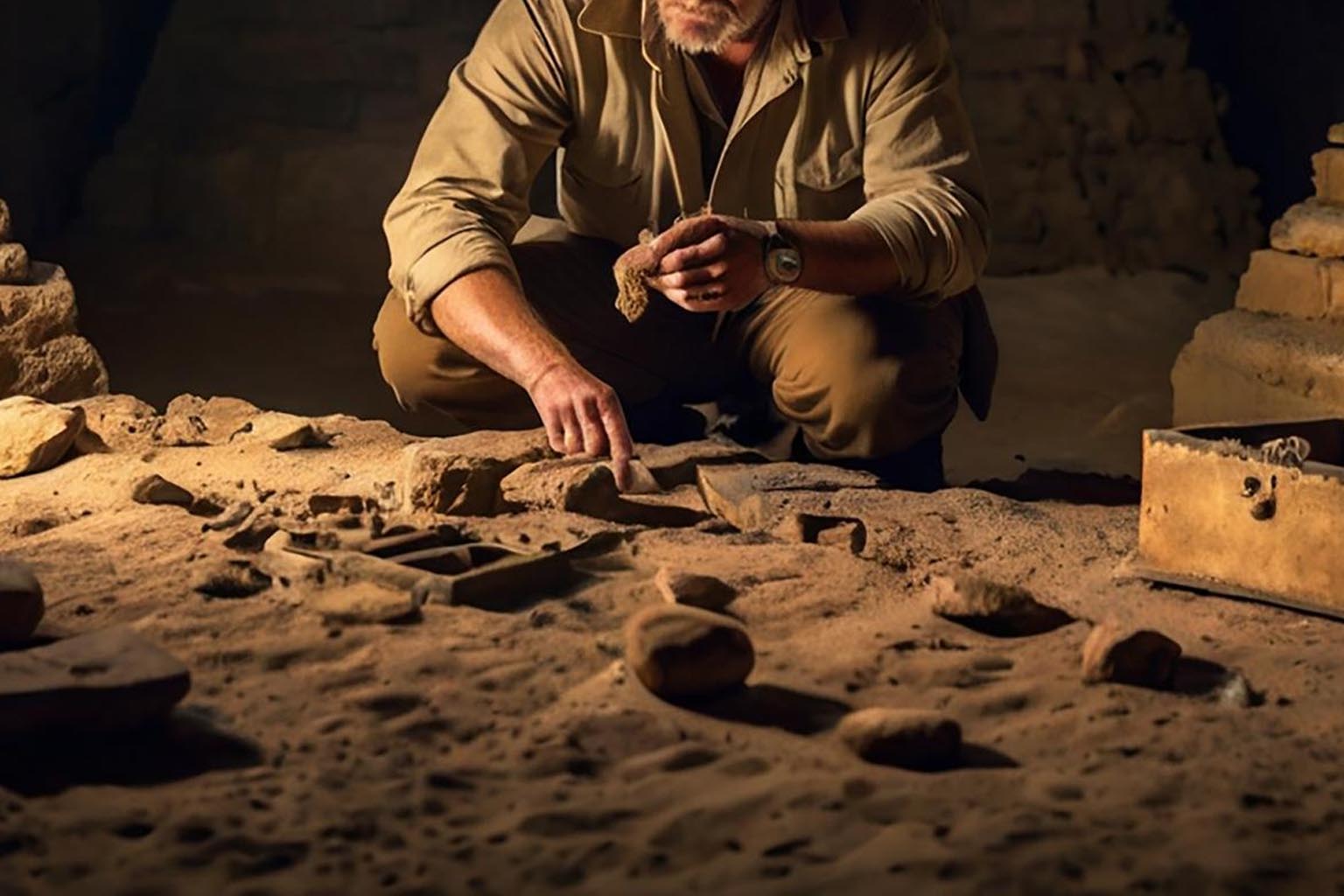
Archaeologists have made an extraordinary discovery in Egypt’s Upper Egypt region, unearthing a stunning Coptic brick structure that breathes new life into the story of early Christian architecture. Located in Assiut’s Manqabad area, this 6th and 7th-century building reveals intricate murals and rare artifacts, offering an intimate glimpse into the spiritual and daily lives of ancient Christian communities.
Egypt’s Supreme Council of Antiquities describes this find as one of the most important discoveries in recent years. The walls, covered in white mortar and decorated with vivid frescoes, showcase a high level of craftsmanship and artistic expression that historians believe will transform our understanding of Coptic culture.
The Architectural Marvel of Early Christianity
This two-level brick structure stands out for its unique design, unlike most other early Christian buildings previously known in Upper Egypt. The upper floor features three parallel halls flowing into two smaller chambers, connected by a staircase descending to the lower level. Here, a cluster of elongated rooms likely served religious or domestic purposes.
The building’s use of white-mortared bricks is particularly noteworthy, signaling sophisticated construction techniques typical of significant monuments. Experts suggest the level of architectural detail points to this structure’s role as a major religious or communal center at the time.
Dr. Ahmed El-Sayed, lead archaeologist on the site, explains, “The layout offers critical clues about early Christian worship and community life. Every corner of this structure speaks volumes about the faith and culture of 7th-century Egypt.”
Revealing Ancient Murals: Spiritual Symbolism and Theology
Inside the building, archaeologists uncovered several exquisitely preserved frescoes and murals. One striking mural depicts a large face surrounded by numerous eyes — a symbol interpreted by experts as representing spiritual vigilance, wisdom, and divine insight. This powerful imagery echoes central themes in Coptic Christianity’s theological teachings.
Another fascinating fresco captures a bearded man cradling a child, widely believed to depict St. Joseph with the infant Jesus. Surrounding figures thought to be Jesus’ disciples further underscore the site’s religious significance. Accompanying Coptic inscriptions offer valuable context into early Christian messages and beliefs.
The discovery aligns with research by the Coptic Studies Institute, which emphasizes that such murals are critical to understanding the symbolic language used in Coptic religious art during this period.
Artifacts Offer Insights Into Daily Life and Worship
Beyond the murals, the excavation yielded a wealth of artifacts and relics illuminating the everyday life of the community. Among the most significant finds is a tombstone inscribed in Coptic, commemorating a local saint by name and date of death, offering both religious and historical insight.
Pottery shards, stone friezes depicting animals such as deer and lions, and utilitarian vessels reveal that this site was not only for worship but also deeply intertwined with daily rituals. The animal imagery found in the friezes symbolizes strength and divine protection, key themes in Coptic religious tradition.
According to a 2023 report by Egypt’s Ministry of Tourism and Antiquities, these relics help illustrate how early Christian Egyptians balanced faith with everyday living, preserving a rich cultural heritage through their art and material culture.
Renewed Excavations Offering New Hope
Although Assiut has been a site of archaeological interest since 1965, intensified efforts beginning in 2024 have turned this region into a hotspot for uncovering Egypt’s hidden Christian heritage. The renewed digs employ advanced technologies, including 3D mapping and ground-penetrating radar, which enhance the precision and depth of findings.
Leading experts confirm that such discoveries have the potential to rewrite aspects of Egypt’s religious and architectural history. This Coptic enclosure stands among the most substantial early Christian buildings excavated to date in Upper Egypt, signaling a treasure trove for scholars and enthusiasts alike.
Dr. Lisa Nguyen, a historian specializing in Christian archaeology, notes, “Findings like these not only fill gaps in our knowledge but also enrich our understanding of the diverse influences shaping early Christian communities.”
This suggests a growing appreciation for Egypt’s multifaceted past, where ancient faith and craftsmanship blossomed in remarkable ways.
If this captivating discovery sparked your curiosity about early Christian history or Coptic art, share your thoughts below or pass the story along to fellow history lovers. Your insights help us celebrate the enduring legacy of ancient Egypt in new and meaningful ways.