


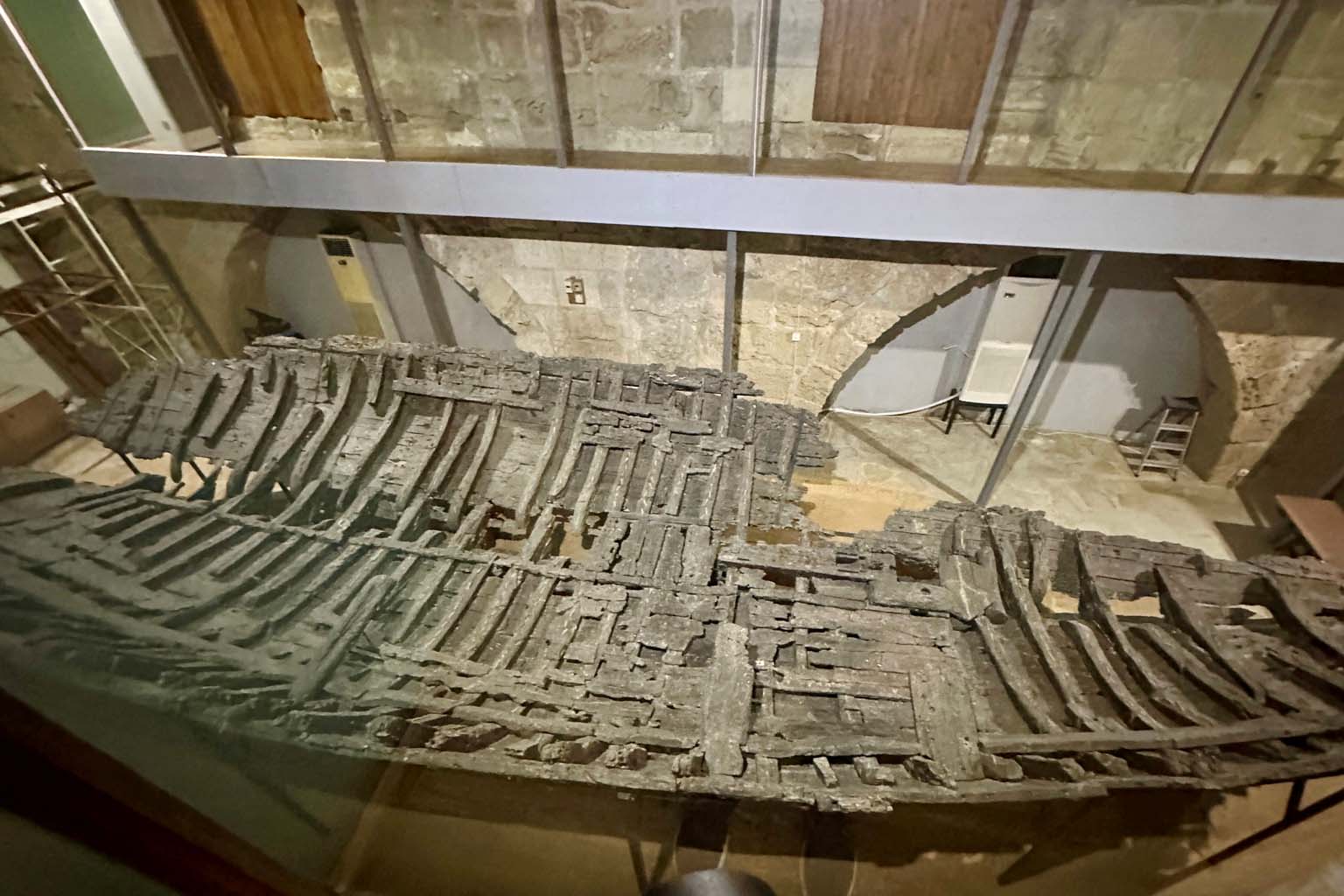
The thrill of discovery doesn’t always come from treasure-hunting pirates or shimmering gold — sometimes it can be found beneath layers of ancient seas. Recently, the secrets of a 2,300-year-old Greek shipwreck, nestled off the coast of Cyprus, are finally emerging. This isn’t just any find; it’s a captivating glimpse into the heart of ancient maritime trade, a tapestry woven with the everyday goods of a bygone era.
A Legacy Unearthed
The sands of time often bury treasures, and the 1965 discovery of the Kyrenia Shipwreck by a local diving instructor, Andreas Cariolu, is a testament to that. At the time, this piece of history had already lain dormant for over two millennia. The wreck, as we know it today, is more than just a historical artifact; it’s a narrative of the Mediterranean’s energetic and entrepreneurial past.
According to a study published in PLOS ONE, cutting-edge techniques like radiocarbon dating and dendrochronology have not only determined the ship’s exact age but also unveiled fascinating aspects of ancient life and trade routes. It’s thrilling, really, how science peels back the layers of our past, isn’t it?
The Unassuming Cargo
Inside the weathered bones of the vessel, researchers unearthed almost 400 amphorae — large jars that carried the lifeblood of ancient Mediterranean commerce: wine and olive oil. Almonds, too, were part of the ship’s humble haul. These goods, critical to everyday life, paint a picture far removed from opulence. Instead, you find yourself imagining modest traders, navigating through azure waters, their holds filled with goods destined for bustling markets.
The Kyrenia ship, once a sturdy vessel measuring around 46 feet long, was more than likely a merchant ship—a far cry from the crafts of royalty or war. It’s the very image of ordinary seafaring life at a time when wine and olive oil were the currency of taste and trade.
Tracing Ancient Routes
The shipwreck’s resting place, just off Cyprus’s shimmering coast, serves as a valuable clue in piecing together the jigsaw of ancient trade routes. Such routes were arteries of cultural exchange, and the Kyrenia ship provides a window into the Mediterranean’s dynamic past. Think of it as a massive spider web stretching from the island’s coastline to far-flung ports and landings.
Expert insights, like those from the PLOS ONE study, tell us that the Kyrenia vessel was a pivotal part of this trading hub, with its itinerary likely including stops across bustling coastal cities. Nelson, a maritime historian, remarked in the study, “The wine and olive oil aboard weren’t just commodities — they were stories of the people who made them, drank them, and traded them.”
Lessons from the Deep
New scientific methods have carved out decades from the wood of history, zeroing in on the date of the ship’s demise. The once-frustrating breadth of time has been narrowed by techniques that didn’t even exist a few decades ago, showing how far we’ve come in understanding our history. The advanced scientific approach not only informs the timelines of other wrecks but adds depth to the stories these old vessels silently hold.
As we push forward, the revelations from the Kyrenia serve as a reminder of what remains hidden beneath our oceans, waiting to be discovered and to tell their stories anew. For anyone with a curiosity for history or a passion for the sea, these underwater narratives are compelling.
So, are you intrigued by ancient stories whispering from the depths? Dive into the discovery and share your thoughts with friends. History’s mysteries are as much about the present as they are of the past. What ancient stories might you discover next, waiting beneath the waves or within the pages of a forgotten study? Let the exploration of our shared history inspire you to look deeper and venture further.