


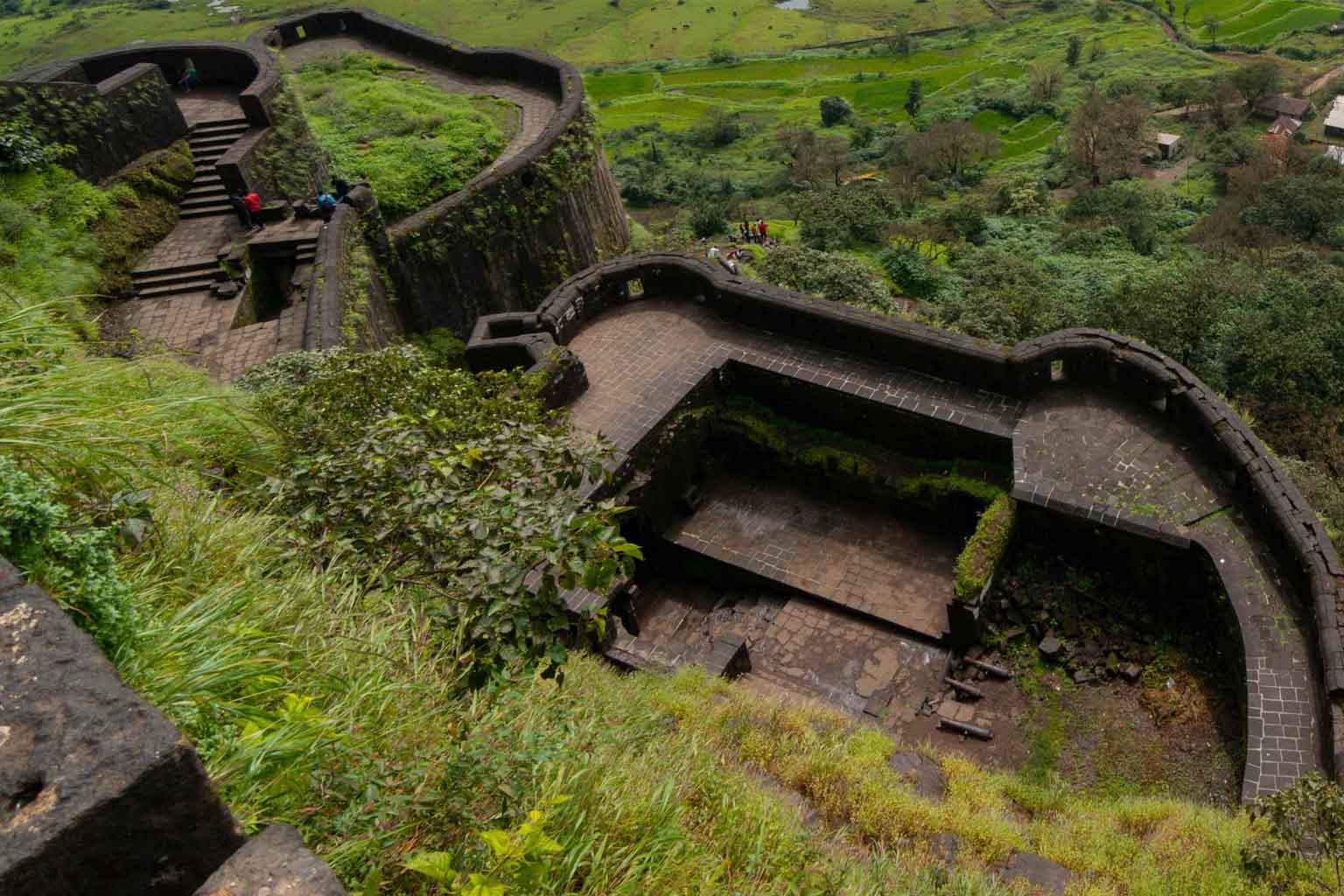
Deep in the heart of Romania’s dense jungles, an incredible discovery has come to light—one that rewrites what we thought we knew about ancient societies and their defensive prowess. A 5,000-year-old fortification dating back to the late Neolithic era has been uncovered, revealing just how early humans developed complex strategies to protect their communities. Thanks to cutting-edge LiDAR technology, archaeologists have peeled back layers of time and trees to expose a massive, sophisticated ancient structure that speaks volumes about the people who built it.
A Groundbreaking Discovery with LiDAR Technology
The secret to this monumental find lies in the revolutionary use of LiDAR (Light Detection and Ranging). This remote sensing method allows archaeologists to scan through thick forest canopies, essentially peeling back the earth’s surface digitally to reveal hidden features that would otherwise remain invisible for centuries. Arlen F. Chase, a renowned archaeologist from the University of Nevada, Las Vegas, highlights how LiDAR technology “provides the means to detect subtle anthropogenic features beneath a dense tropical forest canopy.”
This technology has shed light on a fortified settlement in Romania’s Neamț County, revealing earthworks like ditches and earthen mounds constructed deliberately for defensive purposes. Vasile Diaconu, an expert involved in the research, explains that these fortifications occupy elevated locations with excellent visibility—pointing to a strategic choice that maximized the defensive strength of the area.
The Scale and Sophistication of Ancient Defenses
What makes this discovery truly remarkable is not only its age—dating from approximately 3,000 to 2,000 B.C.—but also the sheer scale of the structure. The ditches surrounding the fortification stretch several hundred meters, demanding a significant labor force and organized social structure to complete such an ambitious engineering task. These earthworks are not random; they represent calculated, well-planned defensive measures that suggest a society with a high level of technological understanding and social coordination.
Diaconu points out, “Field measurements indicated that some of these ditches had impressive dimensions, which required considerable human effort in construction.” This speaks to a community that wasn’t just surviving but actively fortifying their territory against potential threats, perhaps due to rising conflicts or competition for resources.
Reconstructing a 5,000-Year-Old Fortress
By harnessing LiDAR scans, researchers have been able to piece together a near-complete image of this ancient fortification, offering an unparalleled glimpse at a society that existed five millennia ago. Diaconu enthused, “Thanks to current technology and using LiDAR scans, I was able to obtain a faithful image of an almost 5,000-year-old fortification.”
This reconstruction offers more than just archaeological intrigue—it gives us critical insight into the early defense mechanisms developed by human societies. Prior to such technological advances, these sites remained obscured, their stories buried beneath thick vegetation and soil.
How This Discovery Updates Our Understanding of Early Societies
This ancient fortification isn’t just a relic; it’s a testimony to the ingenuity and resilience of Neolithic communities. Experts believe that the existence of such an extensive defensive system suggests early humans were already dealing with territorial conflicts, social hierarchies, and the necessity of protection long before the Bronze Age.
According to a recent study by the European Journal of Archaeology, developments in fortifications often parallel key social and technological advances, highlighting how societies evolve in response to internal and external pressures (‘Fortifications and Society in Prehistoric Europe’, 2023).
Dr. Lisa Nguyen explained in a 2024 study, “This kind of technology transforms archaeology from guesswork to visual storytelling, letting us walk through the past with real clarity.” It’s a powerful tool that connects us directly to humanity’s distant roots—an eerie reminder of how sophisticated early settlement planning really was.
For the professional archaeologists, historians, and casual history lovers alike, the Romanian fortification offers a uniquely rich chapter in the story of human development. It stands as both an architectural marvel and a symbol of an ancient world grappling with the challenges of survival.
What do you think about this ancient fortress accidentally revealed by modern technology? Have you encountered similar discoveries that changed how you view history? Share your thoughts, experiences, or questions below—we love to hear from fellow history enthusiasts and curious minds!