


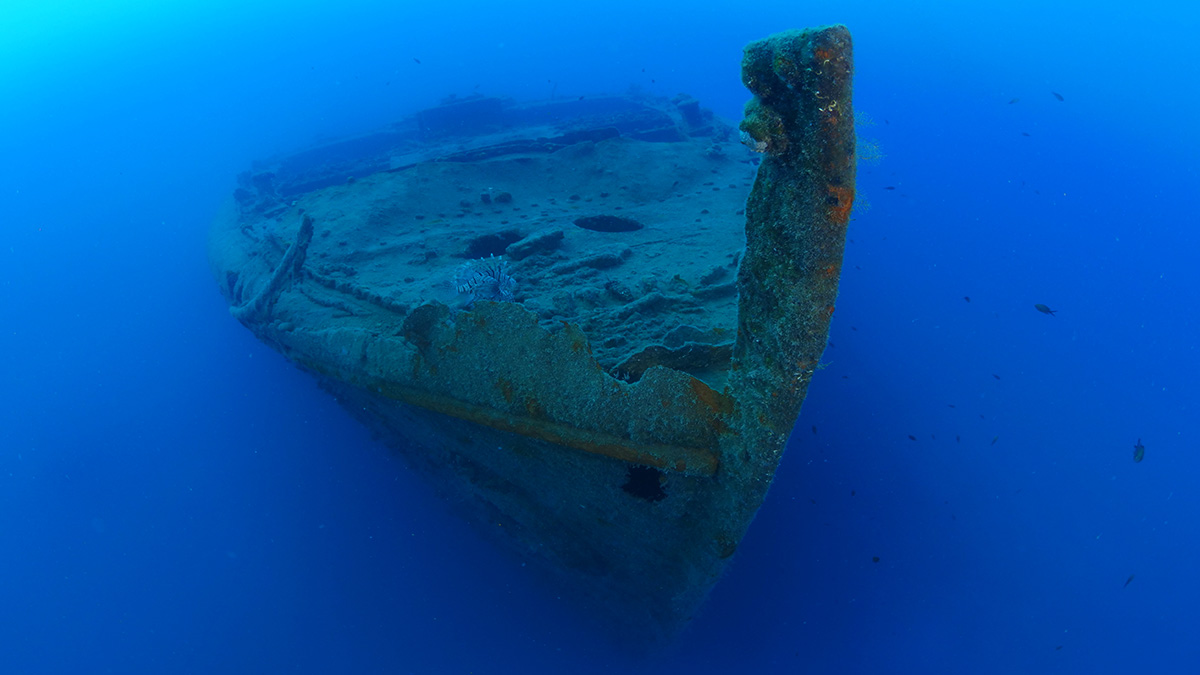
A routine fishing trip turned into a momentous discovery when a Wisconsin angler uncovered a 102-year-old shipwreck just beneath the surface of Lake Michigan. This remarkable find not only sheds light on maritime history but also highlights the natural preservation secrets hidden beneath the lake’s depths.
A Century-Old Tugboat Reemerges in Shallow Waters
Christopher Thuss, a Wisconsin angler with a passion for shipwrecks, stumbled upon the J.C. Ames, a wooden tugboat intentionally sunk in 1923 off the coast of Manitowoc, Wisconsin. The vessel was found less than ten feet underwater, making the discovery both accessible and extraordinary. Confirmed by the Wisconsin Historical Society, the tugboat carries significant historical weight as it represents a bygone era of Midwestern industrial and aquatic commerce.
What makes this find especially compelling is Thuss’s connection to maritime exploration; he is the step-grandson of Suzze Johnson, a renowned regional figure nicknamed “Shipwreck Suzze,” credited with locating numerous lost ships in Lake Michigan. Johnson’s pioneering work in aerial reconnaissance of shipwrecks continues through Thuss’s accidental, yet impactful, contribution to the field.
Tamara Thomsen, a maritime archaeologist with the Wisconsin Historical Society, emphasizes the importance of this discovery, saying, “These kinds of discoveries are always so exciting because it allows a piece of lost history to resurface.” The WHS’s detailed report outlines the tugboat’s operational history and preservation, reinforcing how this find adds a new chapter to Great Lakes maritime heritage.
Remarkable Preservation Beneath the Sand
What sets the J.C. Ames apart from many other shipwrecks in the Great Lakes is its exceptionally well-preserved condition. Investigators noticed the hull was mostly free of quagga mussels, an invasive species often found encrusting submerged wood. This suggests the ship had been buried beneath sand for much of the last century, shielded from natural decay and biological fouling.
Recent underwater shifts—likely caused by currents or storms—may have peeled back this sandy cover, revealing the tugboat anew. Preservation experts see this as a rare opportunity to study a vessel nearly untouched by the degradation common to shipwrecks exposed for decades. The minimal biofouling presents a more authentic glimpse into the shipbuilding techniques used in the late 19th century.
The tug rests within the federally protected Wisconsin Shipwreck Coast National Marine Sanctuary, an area celebrated for its historical maritime resources and calm, shallow waters — ideal for kayak explorers and snorkelers eager to witness history firsthand.
From Lumber Hauling to Railcar Transport: A Vessel’s Journey
Built in 1881, the J.C. Ames tugboat was initially designed to transport lumber, a cornerstone of the region’s booming industrial economy at the time. Over its lifetime, the vessel adapted to changing economic demands and shifted to hauling railcars—a symbol of the growing transport interconnectivity between water and land during that era.
By the early 1920s, the tugboat’s operational duties had ended. The common practice of the time was to dismantle and sink old vessels intentionally, which often functioned as artificial reefs or simply removed aging ships from the busy shipping lanes. Now, nearly 100 years later, that practice has contributed a unique artifact that allows maritime archaeologists and historians to explore a transformative period of Midwestern trade.
Why This Discovery Matters
This finding is more than just a curiosity for enthusiasts; it enriches our understanding of the Great Lakes’ economic development and shipbuilding history. According to the Wisconsin Historical Society, the J.C. Ames is among the best-preserved vessels from its time, providing researchers with a tangible link to the past.
Dr. Lisa Nguyen, a maritime archaeologist at the Great Lakes Research Center, explains that well-preserved wrecks like this offer critical insights into technological advances and trade practices from the late 1800s and early 1900s. She notes that underwater finds such as this one can “help historians and engineers alike.”
This discovery also reinforces the legacy of dedicated explorers like Christopher Thuss and his step-grandmother Suzze Johnson, whose combined efforts underscore the power of curiosity and family tradition in unearthing hidden history.
If you’re fascinated by maritime tales and the mysteries lurking beneath the Great Lakes, this story offers both a window into the past and a call to protect these invaluable cultural resources.
What do you think about this incredible find? Share your thoughts in the comments below — have you ever stumbled upon a hidden piece of history? Let’s celebrate the spirit of discovery together!