


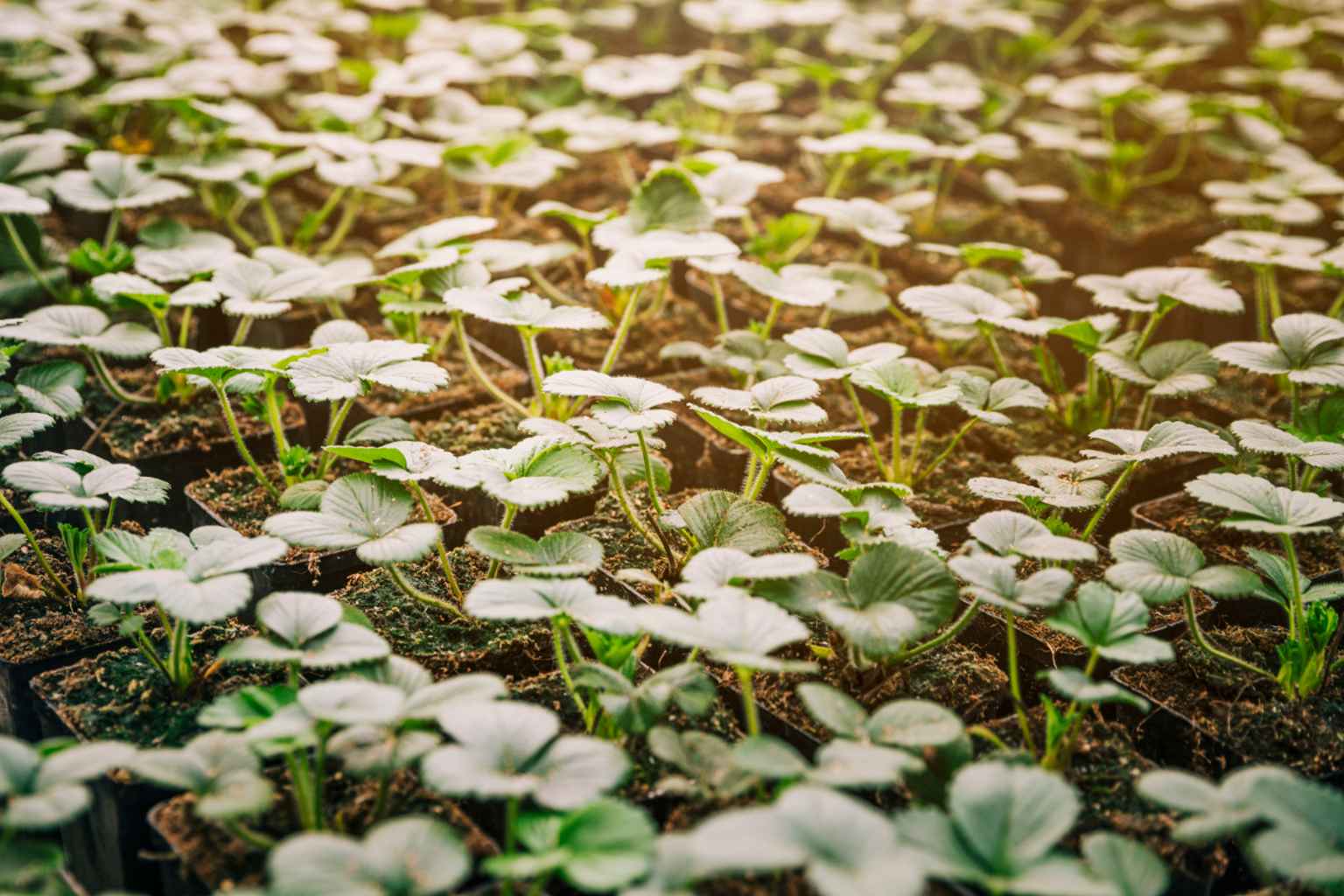
This humble autumn ground cover might just be your new secret weapon for weight loss. As the crisp fall air settles in and gardens prepare for winter, a small, often overlooked plant emerges with surprising health benefits. Meet purslane—a wild edible that nutritionists adore and that could help you shed pounds while boosting your overall wellbeing.
What is purslane and why it’s often overlooked
Purslane (Portulaca oleracea) is frequently mistaken for a weed, but this resilient ground cover is anything but unwanted. With its thick, succulent leaves and reddish stems, it spreads easily across gardens, orchards, and even cracks between stones. Growing naturally from late summer into autumn, purslane’s ability to thrive in neglected spaces makes it abundant yet often ignored.
Despite its common appearance, purslane is a nutrient powerhouse packed with valuable vitamins and minerals, making it an easy addition to a wholesome diet. Many people don’t recognize its potential, but once discovered, it can quickly become a favorite for healthy eating, especially as the seasons shift.
Why nutritionists love purslane for weight loss
What makes purslane so appealing to health experts is its unique nutrient profile. It’s loaded with omega-3 fatty acids, antioxidants, and essential vitamins like A, C, and E. These compounds help reduce inflammation and support heart and brain health.
Crucially for anyone looking to lose weight, purslane is rich in dietary fiber. This fiber helps you feel full longer, naturally curbing cravings and preventing overeating. Eating purslane can assist you in enjoying lighter meals without hunger or guilt, making it an ideal ally during autumn when people often seek to reset their eating habits.
How purslane supports your metabolism and appetite
Research shows that purslane positively influences the metabolic rate. Its combination of fiber and heart-healthy fats helps regulate blood sugar levels and supports digestion. This means fewer unwanted cravings and more consistent energy throughout the day.
For those who lead active lifestyles or are transitioning to healthier diets, purslane can be particularly helpful. It fits seamlessly into meals, helping balance blood sugar and providing key nutrients that fuel your body without extra calories.
Where to find and how to harvest purslane safely
If you’re eager to try purslane, the good news is it’s incredibly easy to find. Look in your backyard garden, local orchards, or even in urban green spaces. It grows best from June through October, with autumn as its peak season.
Make sure to pick purslane only from areas free of pesticides and pollution. The leaves should be rinsed thoroughly before eating. To keep it fresh, place the harvested purslane in the fridge, wrapped in a damp cloth or stored in an airtight container—this will keep it crisp for up to a few days.
Simple ways to enjoy purslane in your meals
Purslane has a delightful, tart flavor and a crunchy texture, making it an excellent addition to many dishes. The easiest way to enjoy it is raw in salads. For example, mix purslane leaves with fresh tomatoes, cucumbers, a little lemon juice, olive oil, and herbs to create a vitamin-packed salad bursting with freshness.
You can also add purslane to soups, stews, or sauté it lightly for a nutritious side dish. Blending it into pesto is a creative way to preserve its flavor and enjoy it in winter months. The versatility of purslane means it can be used in a variety of recipes without overpowering other flavors.
Tips for growing purslane at home
Growing your own purslane is simple and rewarding. It thrives with minimal care, making it perfect for those new to gardening. You can plant it in pots or directly in the ground, and it often reseeds itself year after year, ensuring you have a steady supply.
If you want to keep it for off-season use, blanch the leaves and freeze them, or dry purslane for later cooking. Having fresh purslane on hand means you’re always ready to boost your meals with a healthy, flavorful green.
Precautions and who should be cautious
While purslane is generally safe for most people, those with kidney problems should be cautious due to its oxalate content, which can affect kidney function. If you have any specific health concerns, consulting your doctor before adding large amounts of purslane to your diet is a wise idea.
For the vast majority, however, purslane is a nutrient-packed, safe addition to day-to-day meals—offering health benefits without unnecessary risks.
I remember the first time I stumbled upon purslane growing wild in my garden. Initially, I was hesitant to try it, as it looked just like a weed. But after preparing a simple salad and tasting its fresh, slightly lemony crunch, I was surprised by how enjoyable and satisfying it was. Ever since, purslane has become a comforting, go-to ingredient whenever I want a nutritious and light meal.
Have you ever experimented with wild greens like purslane? How do you prefer to prepare it? Share your experiences or favorite recipes in the comments below. Don’t forget to pass this on to friends who love discovering natural, easy ways to improve their health this autumn!