


Every fall, you might still be enjoying the fragrance of lavender filling your garden. But did you know that this very season is critical for the survival of your beloved plants? A simple slip-up or forgotten chore could cut their life short. Yet, with the right care, you can keep your lavender healthy, vigorous, and blooming for more than a decade. Curious? Here’s what you absolutely must not overlook to protect your lavender year after year.
Why autumn is crucial for lavender survival
At the end of summer, lavender shifts gears. It stops blooming but remains quite busy underneath the surface. During this period, the plant focuses its energy on strengthening its roots and young shoots. This makes autumn the perfect window to support its future growth.
However, autumn also brings a threat: increased moisture. Lavender loves dry, well-drained soil, and the fall rains can quickly turn the ground soggy, making the plants vulnerable. Without the proper care, they risk rotting or dying prematurely. A 2023 study from INRAE found that 35 percent of lavenders planted in northern and western France fail to exceed 3 years when autumn care is neglected.
The essential step: pruning at the right time
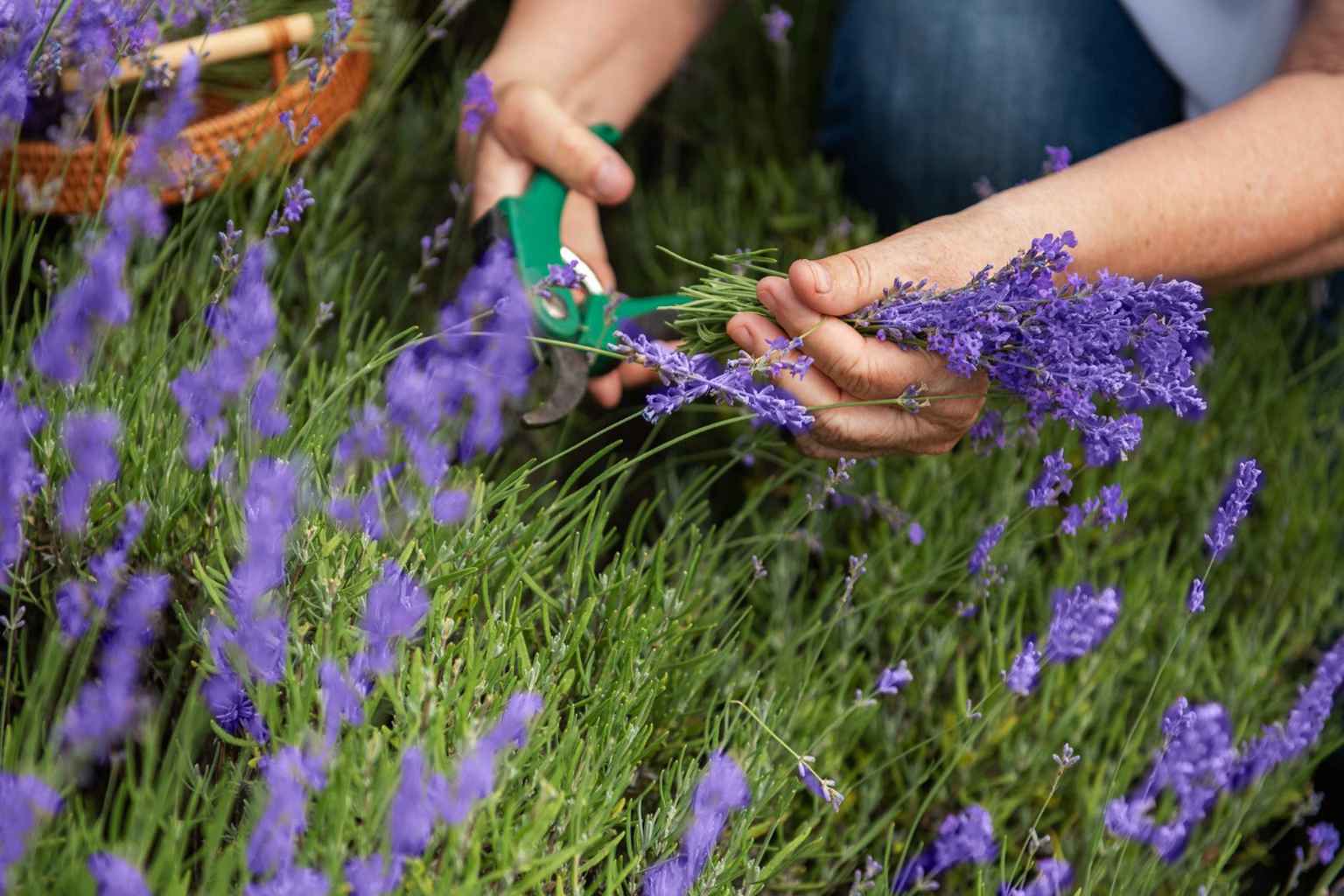
If you want your lavender to thrive, pruning in September is non-negotiable. It’s a simple task, but it plays a huge role in your plants’ health and longevity.
Here’s what makes September the best month to prune. According to the Royal Horticultural Society, a common mistake is cutting too late—in October or November—when the soil tends to be wet. This leads to poor healing of cuts and increases the risk of stem rot. By pruning in September, you catch your lavender when the weather is still mild and the soil is relatively dry, encouraging strong regrowth next spring.
More than pruning: smart autumn habits
Pruning alone won’t guarantee your lavender’s survival. There are other smart actions to take to help it weather the fall and winter smoothly.
One particularly effective method is mulching. A study by CIRAD in 2022 shows this increases lavender’s lifespan by an average of 25 percent. Mulching keeps the soil dry, prevents weeds from growing, and protects roots from freezing temperatures.
Adding a layer of gravel or coarse sand around the base will further improve drainage, mimicking the lavender’s natural environment in the Mediterranean. This small step can make a big difference when heavy rains come.
How well-maintained lavender becomes a garden champion
Follow these simple care tips, and your lavender might just become the queen of your garden for over ten years. Certain varieties like ‘Hidcote’ and ‘Munstead’ can continuously produce beautiful, fragrant blooms for a decade or more when given the right attention.
Besides longevity, a well-pruned lavender grows into a compact, balanced shape that is a joy to behold. It’s not just aesthetic—lavender also plays an important ecological role. By attracting bees and other pollinators, it helps promote biodiversity. The French National Biodiversity Observatory has observed that lavender can host up to 30 different species of pollinators, making it a small but mighty ecosystem helper.
Make the most of your time with lavender
This little garden chore in September might only take a few minutes, but its impact lasts for years. Pruning at the right moment, improving soil conditions, and preparing for autumn’s dampness creates a powerful foundation for your lavender’s health and vigor.
Over the years, I’ve realized how a few thoughtful actions can transform not just a plant but the entire garden atmosphere. There’s a real joy in seeing your lavender bushes thrive, fill the air with scent, and support buzzing life all season long. It reminds me that great things often come from simple, patient care.
Have you tried these autumn lavender tips? What’s worked best in your garden? Share your experiences, questions, or photos—we’d love to hear your lavender stories and keep the conversation blooming!