


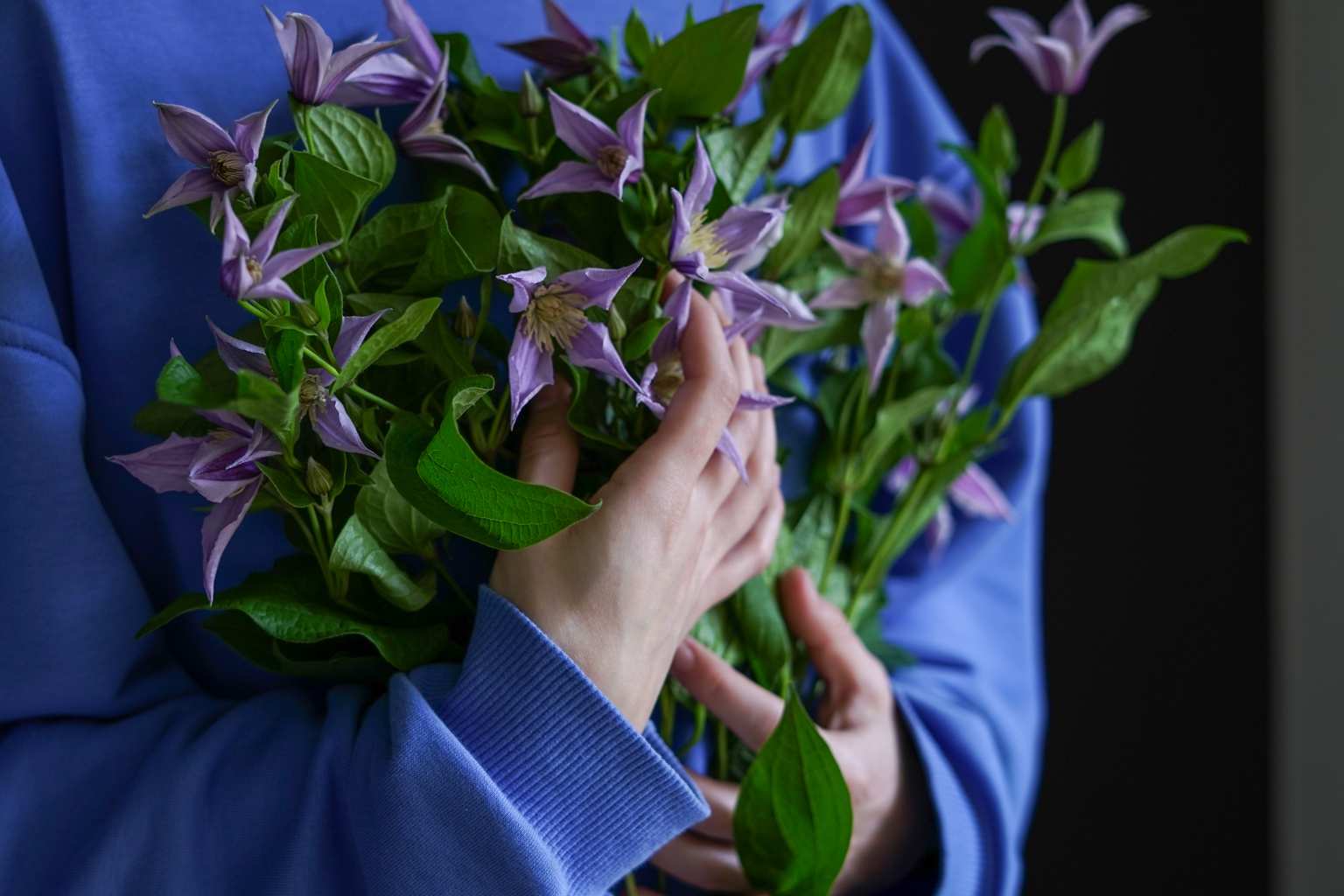
Sometimes, the key to a flourishing garden lies in the art of proper pruning. Clematis, with their stunning flowers and vigorous growth, can be your garden’s crowning glory—if you know how to care for them right. Mastering the pruning of clematis is easier than it sounds and can transform your plants into lush, blooming wonders year after year.
Why pruning clematis is crucial for healthy roots and growth
When you first plant a clematis, it’s tempting to leave every leaf and flower intact. However, focused pruning early on encourages a healthy, strong root system—the foundation of a thriving plant. For clematis between one and three years old, prune them back to the second set of buds above the ground.
While this may mean missing out on many spring flowers initially, it’s a trade-off that rewards you with a robust, vigorous vine that will flourish for years to come. Think of pruning as a long-term investment in your clematis’s health and beauty.
How to support clematis for optimal growth
As fast-growing climbers, clematis can’t support themselves naturally. Without a sturdy support like a trellis or pergola, they’ll sprawl over the ground or scramble into nearby trees and shrubs. Providing a reliable support system is essential.
Tying your clematis’s first branches to the support structure and periodically guiding the vine’s growth helps keep the plant neat and healthy. Unlike ivy, clematis can’t cling on bare walls, so don’t expect a naked vertical surface to hold them. My own experience shows that regular attention to tying encourages healthier growth and more abundant blooms.
When to prune clematis for the best blooms
Timing is everything with clematis pruning. Your pruning schedule depends on when your clematis blooms. For clematis that flower in early spring, prune right after flowering ends. For mid- or late-spring bloomers, prune in early spring before buds swell and new growth begins.
Pruning at the right time promotes the development of new flower buds on young wood, ensuring rich blooms each year. If you’re unsure about your clematis’s blooming period, observe it for a season or research its variety so you won’t accidentally snip away the flowers.
Pruning techniques to boost annual flowering
The goal of pruning clematis is to encourage a plant that blooms abundantly every year. Besides encouraging flowers, pruning helps control size, keeps the vine attached to the support, and opens space for fresh growth.
Start by deciding how large you want your mature clematis to be, based on your support structure’s size and what you can reach for care. For woody clematis varieties, cut old stems back to the ground to stimulate vigorous new shoots.
I’ve learned that impatience or overgrowth can lead to tangled, sparse vines with less impressive flowers. Taking the time to understand your clematis and prune accordingly creates the most satisfying results.
Common mistakes to avoid when pruning clematis
One of the biggest mistakes gardeners make is being afraid to prune. Without pruning, clematis can grow wild and unruly, producing flowers so high you can’t enjoy them or sparse blooms on tough, overgrown branches.
Another common error is pruning heavily at the wrong time. While light pruning can happen any time, a major cut should align with your clematis’s flowering schedule. Pruning too much at the wrong moment may result in no flowers that season.
When uncertain, prune only enough to keep your clematis a manageable size, then wait until the right moment to trim more aggressively. From my own gardening journey, I’ve seen how fear of pruning stunts a plant’s true potential—confidence pays off.
Pruning clematis strikes a delicate balance: sacrificing early flowers for root health, providing steady support, and cutting judiciously to promote blooms year after year. Do you have tips or experiences with clematis pruning? Share your stories below, and help others enjoy a more beautiful garden too!