


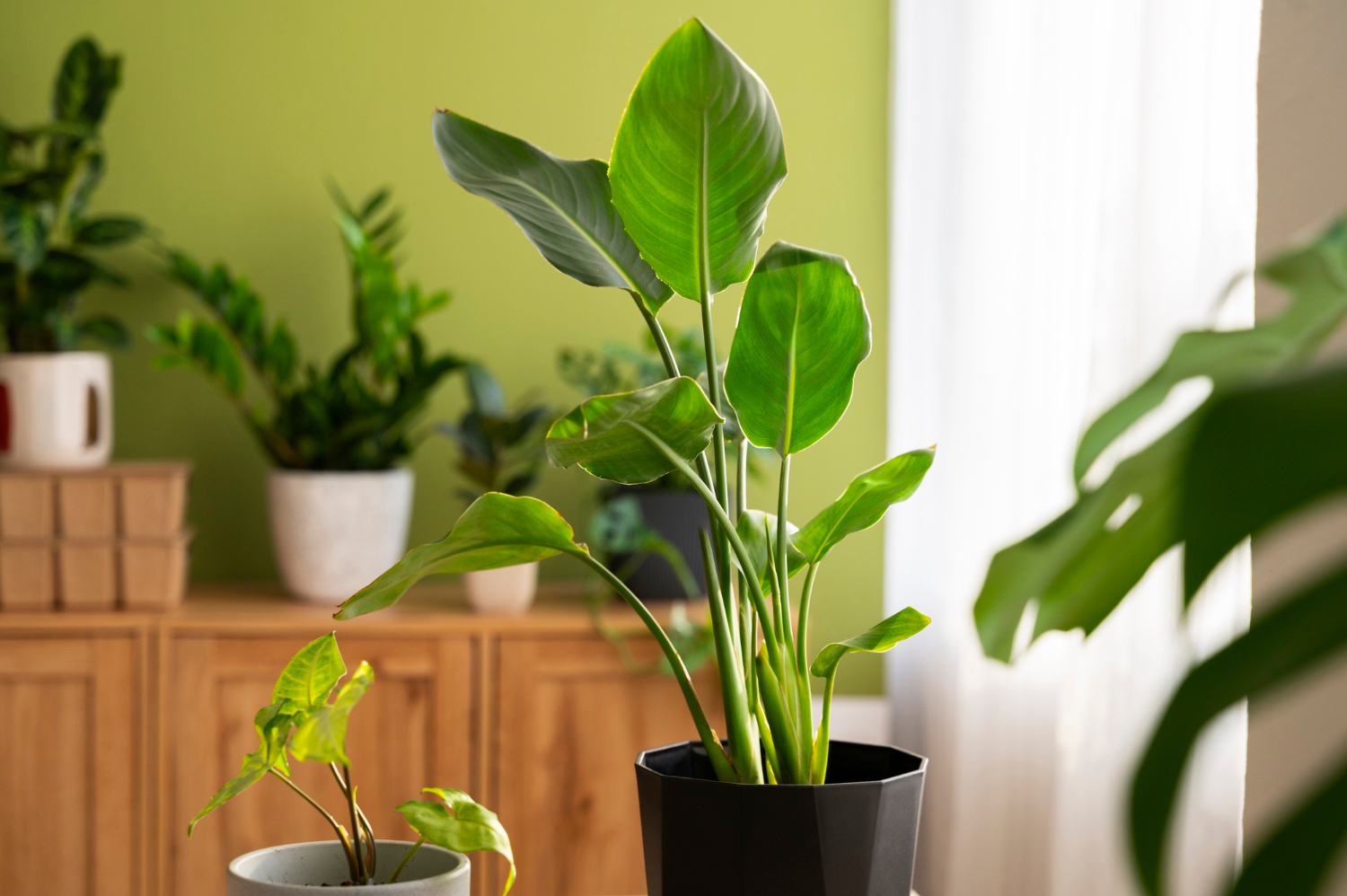
Winter doesn’t have to rob your home of its green charm. Even when sunlight is scarce, there are plenty of plants that not only survive but actually prefer soft, indirect light over bright rays. If you think your space is too shadowy for keeping plants alive during the colder months, think again!
Let’s explore some of the best low-light plants that can thrive indoors this winter and learn how to care for them so they brighten your home all season long.
Embrace the lush fern in shaded corners
The fern is a timeless favorite known for its delicate, feathery leaves that add a touch of nature’s elegance to any room. What many don’t realize is that ferns are surprisingly adaptable to low-light conditions. They can flourish even when placed far from windows or direct light sources.
The secret to a healthy fern is maintaining proper humidity. I remember when a close friend gifted me a fern during winter, but the dry air in my apartment caused its leaves to droop. Once I started misting its leaves daily and watered it more often, the fern quickly perked up and became a centerpiece of my living room. High humidity mimics their natural environment, so keep that in mind if you want your fern to thrive through the dark months.
Sansevieria: the tough and stylish low-light champion
Commonly called the snake plant or mother-in-law’s tongue, sansevieria is famous for its vertical, sword-shaped leaves with striking patterns. Despite its elegant appearance, this plant is incredibly resilient and practically indestructible.
have shown that sansevieria can tolerate months without direct light or frequent watering. If you’re new to keeping plants or have a spot in your home with only dim light, this is your go-to plant. Just set it somewhere dark, give it minimal water, and watch it silently grow — perfect for busy lifestyles or less sunny homes.
Spider plants: low light and cleaner air
With their cascading arching leaves, spider plants, also known as chlorophytum comosum, do more than decorate your space. They are renowned air-purifying plants, improving indoor air quality by filtering toxins.
Although they prefer indirect light, spider plants show remarkable stamina in dim environments. A friend once placed one on a shaded shelf with little care, yet it stayed lush and green for months. Their easy-going nature makes them ideal for anyone wanting a hassle-free plant friend during the darker, colder seasons.
Dracaena brings tropical warmth to shaded homes
The dracaena is a tropical houseplant that thrives in softer light and enjoys humid surroundings. To keep it happy, the soil should stay slightly moist, but watch out for overwatering. Misting the leaves daily can also prevent bothersome spider mites and scale insects that tend to invade drier plants.
I’ve found dracaenas to be forgiving plants, but they do respond well to gentle care. One winter I accidentally let mine dry out too much, and while it looked unhappy for a few days, a little extra water brought it back. It’s a reminder that even low-light plants appreciate a bit of love and attention to truly flourish.
Philodendron’s elegant foliage in low light
With its large, uniquely shaped leaves, the philodendron stands out as a striking tropical beauty suitable for indoor spaces. It thrives in warm, humid conditions and dislikes cold drafts or intense sunlight.
Regular watering and feeding – about twice a month during summer and once a month in winter – keep philodendrons healthy and lush. Some smaller varieties fit perfectly on desks or shelves, lending a refreshing burst of green during gloomy winter days. Their vibrant look often uplifts my mood when the natural light outside is lacking.
Peace lily for beauty and indoor air quality
The peace lily, sometimes called the “spoon plant” because of its smooth, white flowers, is an elegant addition to any room with little to no sunlight. It’s very forgiving when it comes to water, typically needing just one watering per week.
Beyond its graceful appearance, the peace lily is a powerhouse for clearing harmful pollutants like benzene and formaldehyde from indoor air. However, be careful not to let water sit in the saucer beneath the pot—this can cause root rot and yellow leaves. This plant’s purifying qualities have made it a staple in many homes looking to improve air quality while adding a lovely natural touch.
Tips for successfully growing low-light plants
From my own experience cultivating a variety of low-light plants, I’ve learned they aren’t completely carefree but are definitely more forgiving than other houseplants. Key factors include keeping the right humidity, watering properly without overdoing it, and giving occasional rotations so all sides get some light.
These plants prove that even the darkest corners of your home can come alive with vibrant green foliage. Have you tried any of these hardy plants yourself during the winter? Or do you have secret low-light plant care tips? Share your stories and favorite indoor greens in the comments below — let’s inspire each other to bring lush, healthy plants into every home, no matter the season!